Barış Adıbelli: Israel's actions in Syria undermine regional stability - INTERVIEW


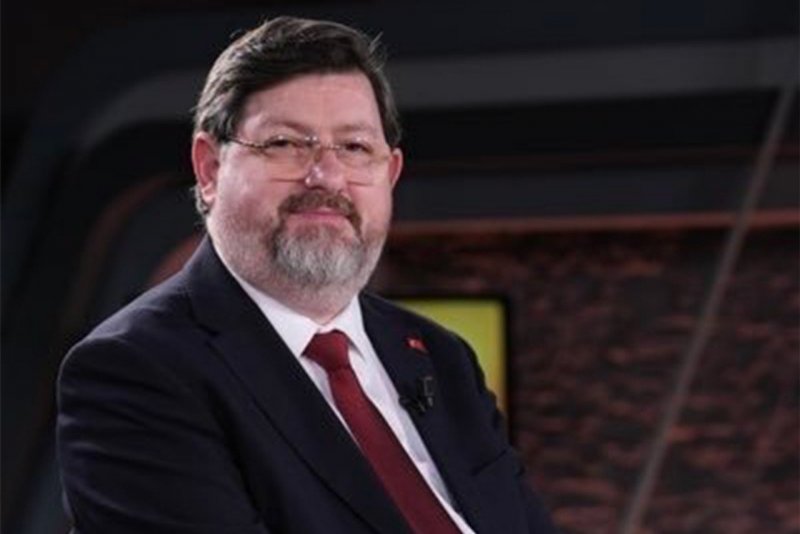
Turkish expert Barış Adıbelli on Ankara's mission and the risks facing the West
Middle Eastern politics has always been complex and multilayered, with the interests of global powers, regional players, and local forces closely intertwined. Türkiye and Israel are two states with which Azerbaijan maintains friendly and strategic relations. However, politics has its own logic, and approaches to regional security often reflect differing historical experiences and national priorities. Today, we will learn the position of Türkiye, a brotherly country that plays a key role in the fate of Syria and the entire Middle East.
In an interview with News.Az, Dr. Barış Adıbelli, a renowned Turkish expert, political commentator, and lecturer at Dumlupınar University shares his perspective on the Syrian issue, Turkish-Iranian relations, and the balance of power in the region.
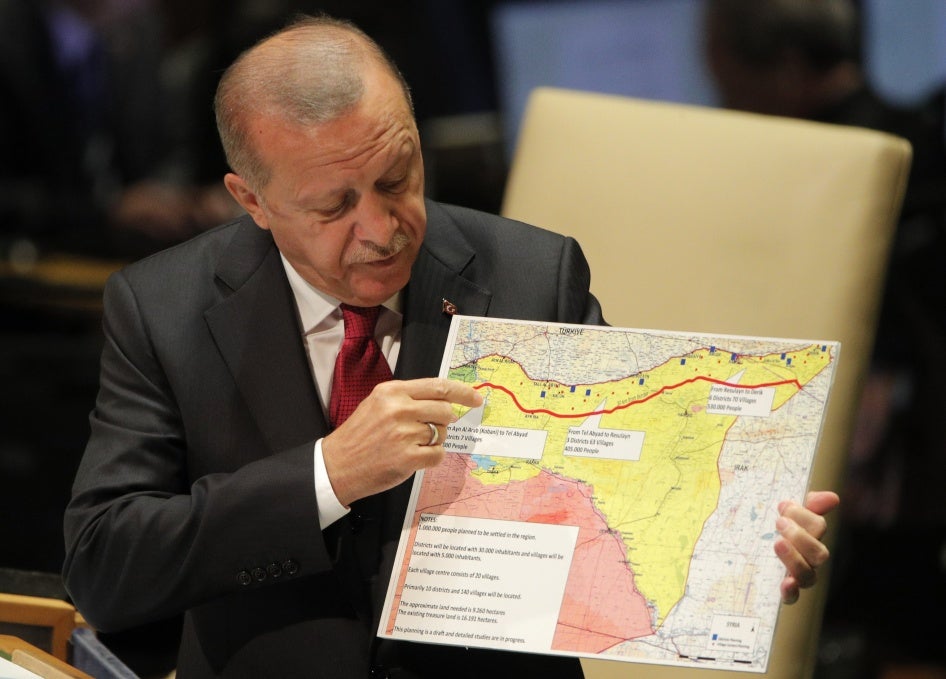
— How do you assess President Erdoğan's stance aimed at preventing the "division" of Syria? If diplomatic approaches fail, what steps can Ankara take?
Source: The DW
- For Türkiye, the Syrian issue is, first and foremost, a matter of national security and the preservation of statehood. Ankara assesses any developments in Syria through this lens. In March of this year, the Syrian wing of the PKK terrorist organization, the YPG, announced its intention to join the Syrian army. This decision was greeted with cautious optimism in Türkiye. However, despite promises made and agreements signed, the YPG failed to fulfill its obligations.
In response, Damascus set a specific deadline — the end of the year — for compliance, warning that Türkiye could otherwise launch a military operation against the YPG. Ankara has repeatedly stated that any action posing a threat to its national security will be met with a decisive response.
If necessary, Türkiye is prepared to launch an operation to establish safe zones in northern Syria. Both President Recep Tayyip Erdoğan and the country’s Ministry of National Defense have reiterated this. Nevertheless, the situation in Syria remains extremely dynamic: the balance of power shifts almost daily. Structures such as the YPG or the SDF umbrella organization (SDG) are constantly reassessing their positions, trying to adapt to new political and military realities
- How do you assess Israel's efforts to conclude a "security agreement" with Syria — as a genuine step toward stabilizing the region or as a pressure tool aimed at entrenching its military presence and weakening the Arab world?
Source: Reuters
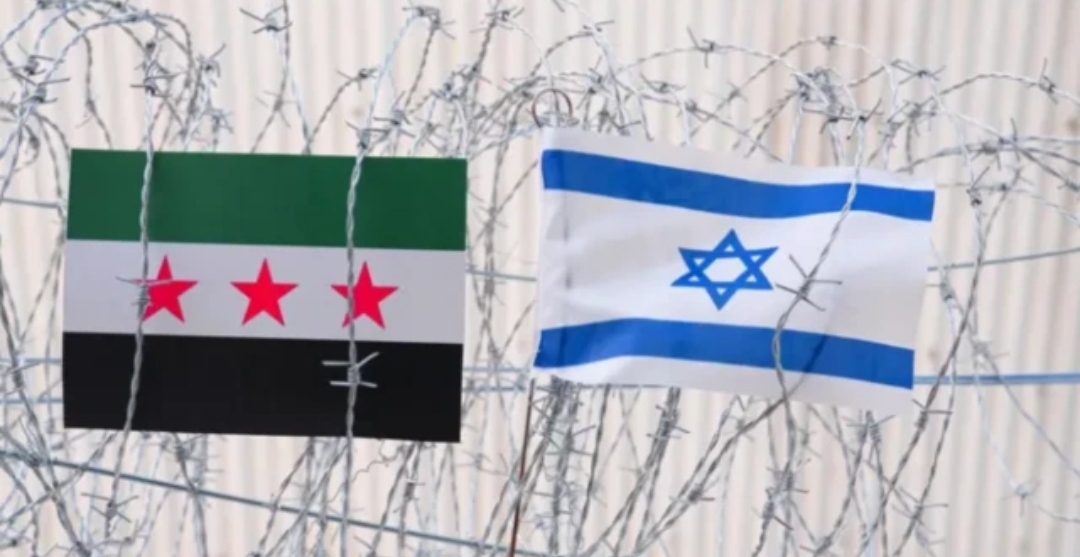
- Following the weakening of Bashar al-Assad's regime in Syria, a new active player — Israel — has emerged as a key actor. Its actions are essentially destabilizing and aimed at undermining public order in the country. Israel continues to hold occupied territories and pursues policies that could exacerbate internal conflicts, exploiting national and religious differences among the Druze, Alawites, and Kurds. All of this makes it a potential threat to Türkiye's national security. Ankara and Damascus, by contrast, advocate maintaining a unified and unitary Syria, while the United States, Israel, and several European countries favor federalization. This approach is easily explained: a strong, unified Syria can play a significant role in the Arab world, while a fragmented Syria loses influence and becomes dependent on external powers.
Although Washington has not officially expressed open support for Israel's plans to divide Syria, the Trump administration has also failed to condemn these actions. Meanwhile, Russia and China have consistently declared their commitment to the principle of Syria's territorial integrity. Recently, reports have emerged of a possible security agreement between Damascus and Tel Aviv.
However, the proposed terms are causing concern: Israel is reportedly prepared to withdraw its troops from some occupied areas but intends to retain control of strategic heights, including Mount Hermon, and to enforce "no-fly zones." Thus, this is more of an imposed deal dictated by the interests of the United States and Israel rather than an equal agreement that promotes sustainable peace.
- What steps, in your opinion, are most important to create conditions under which the majority of Syrian refugees can return to their homeland safely and with dignity, despite external pressure and interference?
Source: CNN
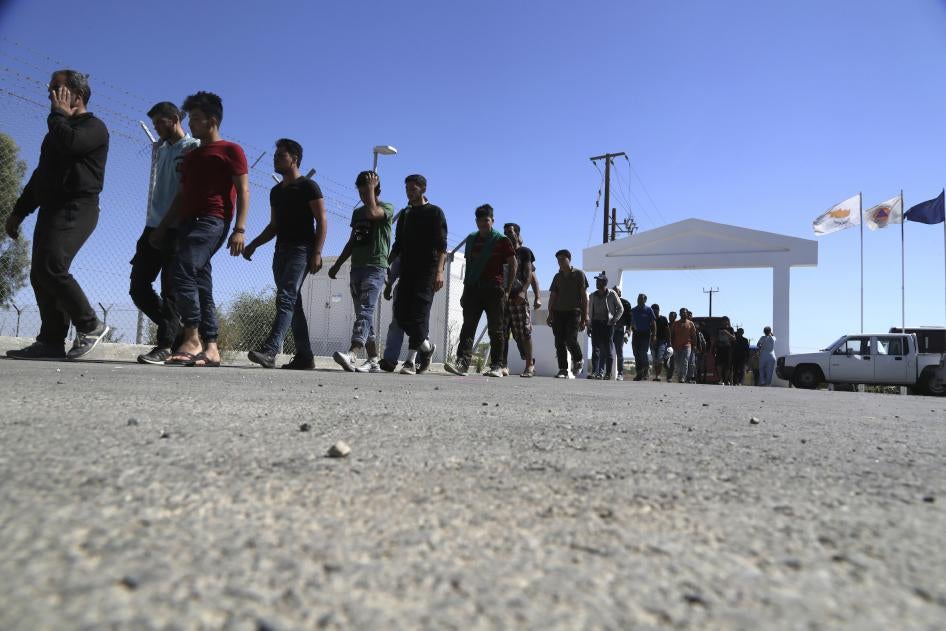
- The Syrian refugee issue remains a key concern. Millions of Syrian citizens — the true owners of their land — are temporarily outside its borders, and a significant number of them live in Türkiye. More than a million have already returned home.
However, for the rest to return, it is necessary to ensure internal stability, security, social harmony, and, most importantly, to create conditions for a future life in Syria — housing, work, and a decent standard of living. Türkiye is taking large-scale steps in this direction: creating jobs, building residential complexes, and rebuilding destroyed settlements. As the situation in the region stabilizes, the number of Syrians returning is steadily increasing. To further advance this process, the government of Ahmad al-Sharaa must strengthen internal balance and build harmony among the main communities — the Druze, Alawites, and Kurds.
However, the United States and Israel, by contrast, are trying to prevent the establishment of lasting peace in Syria. Israel, in particular, demands that Damascus completely eliminate Iranian influence and exclude any pro-Iranian structures from the country's political, administrative, and military life. At the same time, Tel Aviv continues to actively campaign against the Iranian nuclear program, making it a central element of its foreign policy since Benjamin Netanyahu's return to power.
- How do you assess Türkiye's position on sanctions against Iran? Is it an expression of independent foreign policy or an attempt to maintain a balance between international obligations and humanitarian principles?
Source: trendsresearch
- Despite the agreement reached in 2015 on the Iranian nuclear program, the Donald Trump administration subsequently withdrew from the agreement, declaring it invalid. Attempts to resume negotiations in Europe were unsuccessful: Iran rejected the conditions imposed on it and once again found itself under UN Security Council sanctions, which imposed restrictions on a number of Iranian companies and individuals.
Türkiye, in line with its international obligations and UN resolutions, formally adhered to these measures. However, guided by the principles of a humane and people-centered foreign policy, Ankara does not support steps that could harm the Iranian people or restrict their access to vital resources. Historically, Türkiye has maintained a consistent position on all sanctions regimes — whether against Iran, Russia, or Ukraine: it adheres to international norms while striving to prevent suffering.
At the same time, Ankara does not recognize sanctions imposed outside the UN framework, including decisions by individual states or associations. The Ukrainian crisis is a telling example: despite accusations from Western partners of alleged sanctions violations, Türkiye consistently prioritizes humanitarian and moral values. For Ankara, Iran remains a friendly and fraternal country, and its people are spiritually close.
In this context, Türkiye views the recent Security Council decisions as a formal fulfillment of international obligations, which cannot affect the nature of Turkish-Iranian relations. On the contrary, these relations continue to develop and strengthen based on mutual respect and good-neighborliness. Tehran also recognizes that the source of the current difficulties is not Türkiye, but other forces, among which Israel plays a particularly important role.
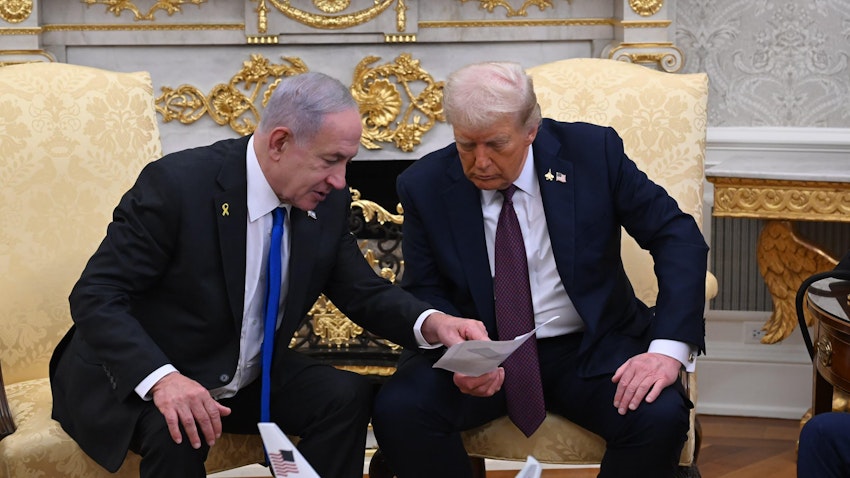
- How do you assess the "Trump Gaza plan"?
Source: Reuters
- I'll put it this way: Donald Trump's efforts are indeed significant, but the "Gaza plan" he presented, conceived as a step toward peace in the Middle East, is so far unable to achieve the expected results. Israel remains the main threat to peace in the region. Until its aggressive policies are stopped, neither Lebanon, Palestine, Syria, nor the entire Middle East will be able to find true peace — and, importantly, Israel itself will not know peace either.
The elimination of Hamas does not mean the arrival of peace and stability. Israel systematically violates international law by striking Lebanon, Syria, and even sovereign Iran, contrary to the provisions of the UN Charter.
Unfortunately, Israel continues to commit actions that contravene international norms and principles. The latest example is the attack in international waters in the Mediterranean on the Global Sumud humanitarian flotilla, which was heading to Gaza and consisted of representatives from 46 countries. Israeli forces seized the vessels and detained 496 activists. This incident can be considered an act of maritime piracy, adding another to Israel's long list of violations — piracy and robbery.


Similar news