Can the 2026 US midterm primaries reshape the balance of power in Washington?


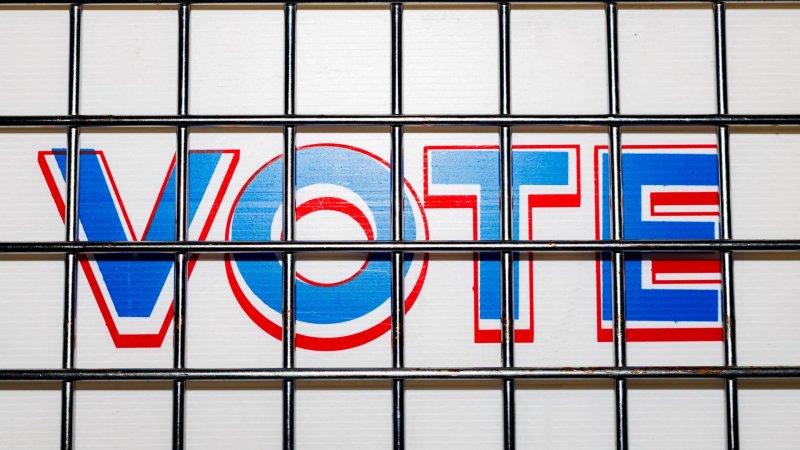
The 2026 United States midterm elections may still be months away, but the political contest that will determine control of Congress and influence the final years of President Donald Trump's second term is already taking shape through a series of closely watched primary elections across the country.
While primary contests often receive less international attention than presidential races, they play a crucial role in defining the political landscape, selecting party nominees and revealing the priorities of American voters.
RECOMMENDED STORIES
The results emerging from key states during the 2026 primary season are offering important clues about voter sentiment, party unity and the issues likely to dominate the national debate ahead of November. Political analysts, campaign strategists and investors are paying close attention because the outcome of these elections could affect everything from domestic economic policy and taxation to foreign affairs and America's global role.
What are the midterm elections and why do they matter?
Midterm elections take place halfway through a presidential term and are widely viewed as a referendum on the administration in power. Unlike presidential elections, voters are not choosing a president. Instead, they elect all 435 members of the House of Representatives, roughly one third of the Senate and thousands of state and local officials.
Control of Congress carries enormous political significance. A party that controls the House and Senate can more easily advance legislation, approve budgets and support the president's policy agenda. Conversely, if the opposition gains control of one or both chambers, it can block legislation, launch investigations and significantly constrain the administration's ability to govern.
Historically, the president's party often loses congressional seats during midterm elections. This pattern has affected both Republican and Democratic administrations over many decades. As a result, the 2026 elections represent a major test for President Trump and his Republican allies.
Why are the primaries attracting so much attention?
Primary elections determine which candidates will represent each political party in the general election. In many congressional districts and states, especially those that strongly favor one party, the primary winner is often considered the likely victor in November.
The primaries also serve as an early indicator of broader political trends. They reveal which issues motivate voters, which candidates are generating enthusiasm and how unified political parties remain.
This year's contests have focused attention on several important questions. Are Republican voters still strongly aligned with Trump's political agenda? Can Democrats rebuild support in key battleground regions? Which candidates are most capable of appealing to independent voters who frequently decide close elections?
The answers to these questions could influence not only the outcome of the midterms but also the direction of American politics for years to come.
How important is Donald Trump's influence?
One of the most closely watched aspects of the 2026 primaries has been President Trump's continued influence within the Republican Party.
Since returning to the White House after the 2024 election, Trump has remained a dominant figure in Republican politics. His endorsements continue to carry substantial weight in many races, helping shape candidate selection and campaign messaging.
Many Republican candidates have emphasized issues closely associated with Trump, including border security, immigration enforcement, domestic manufacturing, energy production and reducing federal regulations. In numerous primary contests, candidates sought to demonstrate their alignment with the administration's priorities.
At the same time, some races have shown that local concerns and candidate quality remain important factors. While presidential endorsements can provide momentum, voters often consider experience, campaign organization and regional issues when making decisions.
What are Democrats hoping to achieve?
For Democrats, the 2026 midterms represent an opportunity to regain political ground and potentially challenge Republican control of Congress.
Party leaders are focusing on issues such as healthcare affordability, housing costs, education funding, reproductive rights and economic inequality. Many Democratic candidates are also attempting to appeal to suburban voters and independents who have played decisive roles in recent elections.
A major challenge for Democrats is maintaining unity among different factions within the party. Progressive activists and moderate Democrats sometimes disagree on policy priorities and electoral strategy. Primary elections often bring these differences into public view before the party attempts to unite for the general election campaign.
Success in competitive districts and swing states will likely determine whether Democrats can make significant gains in November.
Which states are likely to determine control of Congress?
Several states are expected to play a decisive role in the battle for congressional control.
Georgia remains one of the most closely watched political battlegrounds in the country. Rapid population growth, changing demographics and a series of highly competitive elections have transformed the state into a critical electoral prize.
Arizona continues to attract national attention because of its closely divided electorate and the importance of issues such as immigration, border security and economic development.
Pennsylvania remains a key state due to its diverse mix of urban, suburban and rural voters. Political trends there often mirror broader national dynamics.
Michigan and Wisconsin are also expected to be highly competitive. Both states have experienced narrow election margins in recent years and could once again play a crucial role in determining congressional control.
The outcomes in these battleground states may ultimately decide whether Republicans retain their majorities or Democrats achieve a comeback.
What issues matter most to voters?
Economic concerns continue to dominate political discussions throughout the country.
Inflation, housing affordability, healthcare costs and wage growth remain central issues for many households. Although economic conditions have improved in some areas compared with previous years, many voters remain concerned about their financial situation.
Immigration and border security also rank among the most important issues. Republicans generally emphasize stronger enforcement measures, while Democrats often advocate a combination of security initiatives and broader immigration reforms.
Healthcare remains another major topic, particularly regarding insurance costs, access to medical services and prescription drug prices.
Foreign policy is becoming increasingly significant as well. Relations with China, ongoing international conflicts, defense spending and America's role in global affairs are all influencing voter perceptions.
Social issues, including reproductive rights and education policies, continue to mobilize voters on both sides of the political spectrum.
How important are independent voters?
Independent voters could once again determine the outcome of many competitive races.
While primary elections tend to be dominated by committed party supporters, general elections often hinge on the preferences of voters who do not strongly identify with either major party.
These voters frequently prioritize practical concerns over ideological debates. Economic performance, public safety, healthcare costs and perceptions of leadership competence often play a larger role in their decision making than partisan loyalty.
Candidates capable of attracting independent voters usually perform better in closely contested districts and states. For this reason, many campaigns are increasingly tailoring messages toward moderate and undecided voters as the general election approaches.
Could Congress change hands?
The possibility of a shift in congressional control remains very real.
In the House of Representatives, relatively small changes in a limited number of competitive districts could determine which party holds the majority. Because all House seats are contested every two years, the chamber is generally more vulnerable to political swings.
The Senate presents a different challenge because only a portion of seats are up for election. Nevertheless, several competitive races could influence the balance of power.
If Democrats gain control of either chamber, they would acquire greater ability to challenge the administration through legislative resistance and oversight investigations. If Republicans maintain or expand their majorities, they would likely enjoy stronger support for advancing the president's policy agenda.
Why do the 2026 primaries matter beyond this election cycle?
The significance of the primaries extends well beyond the immediate battle for Congress.
Many candidates competing today could become influential national figures in future election cycles. Governors, senators and representatives who emerge from competitive races often build the political profiles necessary for future presidential campaigns.
The primaries also provide valuable insight into changing voter priorities, demographic trends and the evolving strategies of both major parties. These developments will help shape the political environment leading into the 2028 presidential election.
Ultimately, the 2026 primary elections are serving as an early test of political momentum in a deeply divided nation. They are revealing how voters assess the current administration, which issues resonate most strongly with the electorate and which party appears better positioned for the battles ahead. While November's results remain uncertain, the primaries have already made one thing clear: the struggle for control of Washington is underway, and its outcome could influence American politics for years to come.
By Faig Mahmudov


Similar news