Why is climate adaptation increasingly being treated as a national security issue?


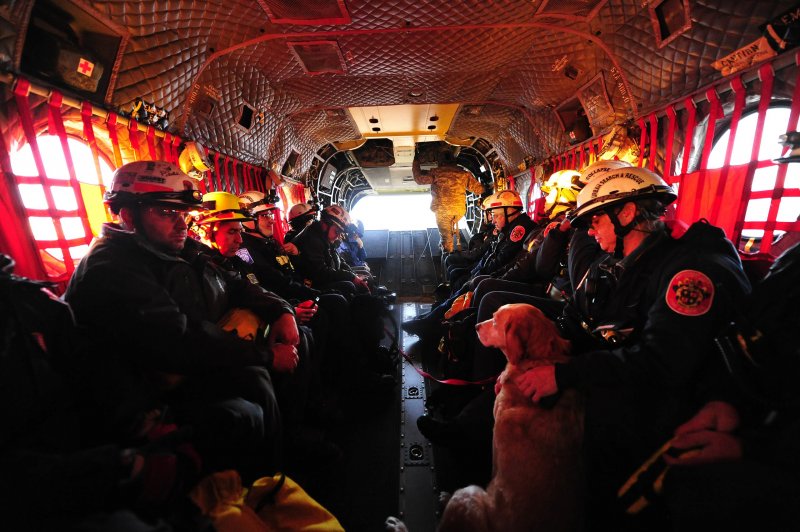
For decades, climate change was primarily viewed as an environmental challenge. Discussions focused on rising temperatures, melting glaciers, biodiversity loss and greenhouse gas emissions. Today, however, governments around the world are increasingly approaching climate change from a different perspective: national security.
RECOMMENDED STORIES
Military planners, intelligence agencies, policymakers and international organizations now recognize that climate related risks can affect economic stability, food production, water availability, migration patterns, critical infrastructure and even geopolitical relations. As extreme weather events become more frequent and costly, climate adaptation is no longer seen solely as an environmental policy objective. It is increasingly regarded as a strategic necessity.
In 2026, climate adaptation has become a central topic in security discussions across Europe, North America, Asia, Africa and the Middle East. Governments are investing in resilience measures not only to protect ecosystems and communities but also to safeguard national interests in an increasingly unpredictable world.
What is climate adaptation?
Climate adaptation refers to actions taken to prepare for and respond to the impacts of climate change.
Unlike climate mitigation, which focuses on reducing greenhouse gas emissions, adaptation seeks to minimize the damage caused by changes that are already occurring or expected in the future.
Adaptation measures may include:
-
Strengthening flood defenses
-
Building drought resistant infrastructure
-
Improving water management systems
-
Protecting coastlines from sea level rise
-
Upgrading energy networks
-
Developing climate resilient agriculture
-
Enhancing emergency response capabilities
-
Improving urban planning
The goal is to increase resilience and reduce vulnerability to climate related disruptions.
Why are security agencies paying more attention to climate change?
Security institutions increasingly recognize that climate impacts can affect national stability.
Extreme weather events can damage infrastructure, disrupt transportation networks and strain public resources. Prolonged droughts can threaten food production and water supplies. Rising sea levels may affect coastal populations and critical economic assets.
These challenges can create broader social and economic pressures.
Military organizations must consider how climate conditions affect bases, equipment, logistics and operational readiness. Intelligence agencies assess how environmental stress may influence regional instability, migration and conflict dynamics.
As a result, climate risks are now routinely incorporated into strategic planning and national security assessments.
How can climate change affect national security?
Climate change influences security through multiple pathways.
One of the most direct impacts involves infrastructure vulnerability. Storms, floods, heatwaves and wildfires can damage transportation systems, energy facilities, communication networks and public services.
Economic disruptions represent another concern. Climate related disasters can reduce productivity, increase recovery costs and affect national budgets.
Food and water security are also important factors. Changes in precipitation patterns, extreme temperatures and environmental degradation may affect agricultural output and freshwater availability.
Population displacement presents additional challenges. Communities affected by severe climate impacts may relocate internally or across borders, creating humanitarian and logistical pressures.
These interconnected risks explain why climate adaptation is increasingly viewed through a security lens.
Why are extreme weather events attracting so much attention?
Extreme weather events have become more prominent in security discussions because of their growing economic and social consequences.
Heatwaves, hurricanes, floods, droughts and wildfires can affect millions of people and cause billions of dollars in damage.
Beyond immediate destruction, such events can disrupt supply chains, damage infrastructure, interrupt economic activity and strain emergency response systems.
Repeated disasters can also place significant pressure on public finances and government resources.
National security planners increasingly focus on resilience because the frequency and intensity of certain extreme weather events are expected to remain major concerns in many regions.
How does water scarcity become a security issue?
Water is one of the world's most essential resources.
Agriculture, industry, energy production and daily life all depend on reliable access to freshwater supplies. When water becomes scarce, economic and social tensions can increase.
Many regions already face growing pressure due to population growth, urbanization and changing climate conditions.
Reduced rainfall, prolonged droughts and shrinking water reserves may create competition among different users and sectors.
In some areas, shared river basins and cross border water resources add a geopolitical dimension to water management.
Consequently, governments increasingly treat water security as an integral component of national security planning.
Can climate change influence migration?
Climate related migration has become an important topic in international policy discussions.
Environmental pressures such as drought, coastal erosion, flooding and extreme weather can affect livelihoods and living conditions, encouraging people to relocate.
Most climate related movement occurs within countries rather than across international borders. However, large scale displacement can still create challenges for housing, infrastructure, employment and public services.
Urban areas often experience increased pressure as populations move from affected regions.
Governments and international organizations are therefore exploring strategies to improve resilience in vulnerable communities and reduce the need for forced displacement.
Why is food security becoming more important?
Food security and climate adaptation are closely connected.
Agricultural systems depend on stable weather conditions, reliable water supplies and healthy ecosystems. Changes in temperature, rainfall patterns and extreme weather can affect crop yields and livestock production.
Food shortages or sharp increases in food prices can create economic hardship and social instability.
Many governments are investing in climate resilient agriculture through improved irrigation systems, drought tolerant crops, advanced forecasting technologies and sustainable farming practices.
Protecting food systems is increasingly regarded as both an economic and security priority.
How does climate change affect military operations?
Military organizations around the world are adapting to changing environmental conditions.
Extreme heat can affect personnel performance and equipment reliability. Flooding and storms may damage military installations and transportation infrastructure.
Rising sea levels can threaten coastal bases, ports and naval facilities.
Changes in Arctic conditions are creating new considerations regarding shipping routes, resource access and regional security dynamics.
Many armed forces are therefore incorporating climate projections into long term planning and infrastructure investments.
Adaptation measures help ensure operational readiness under a wide range of environmental conditions.
Why are cities central to climate adaptation efforts?
Urban areas are particularly vulnerable to climate related risks.
Cities often concentrate large populations, economic assets and critical infrastructure within relatively small geographic areas.
Heatwaves can be intensified by urban heat island effects. Flooding may overwhelm drainage systems. Coastal cities face risks associated with sea level rise and storm surges.
As a result, municipal governments are implementing adaptation strategies such as:
-
Green infrastructure projects
-
Flood protection systems
-
Improved drainage networks
-
Climate resilient building standards
-
Urban cooling initiatives
-
Emergency preparedness programs
Strengthening urban resilience is increasingly viewed as essential for national resilience.
What role does energy security play?
Energy systems are vulnerable to climate impacts.
Extreme weather events can disrupt electricity generation, transmission networks and fuel supply chains. Heatwaves may increase demand for cooling while reducing the efficiency of certain energy infrastructure.
Governments are investing in grid modernization, energy diversification and resilience measures to reduce vulnerabilities.
Renewable energy technologies can contribute to both climate goals and energy security by diversifying energy sources and reducing dependence on imported fuels.
The intersection of climate adaptation and energy security has become a major policy priority in many countries.
Why are insurers and financial institutions concerned?
The financial sector is increasingly focused on climate risks.
Insurance companies face growing claims associated with natural disasters, while investors and lenders evaluate the long term resilience of assets and infrastructure.
Climate related disruptions can affect property values, business operations and economic growth.
Financial institutions are therefore incorporating climate risk assessments into decision making processes.
Governments also recognize that economic resilience is closely linked to national security and long term stability.
This growing awareness is driving increased investment in adaptation projects and risk management strategies.
How are governments responding?
Governments are adopting a variety of approaches to strengthen resilience.
Common adaptation measures include:
-
Infrastructure modernization
-
Coastal protection projects
-
Water management improvements
-
Early warning systems
-
Disaster preparedness programs
-
Agricultural adaptation initiatives
-
Climate resilient urban planning
-
Emergency response enhancements
National adaptation plans increasingly involve cooperation among environmental agencies, security institutions, infrastructure operators and local governments.
The objective is to reduce vulnerabilities before crises occur rather than responding only after disasters strike.
What role do international organizations play?
Climate related challenges frequently cross national borders.
International organizations support adaptation efforts by facilitating research, financing projects, sharing expertise and encouraging cooperation.
Global institutions help countries exchange best practices regarding disaster preparedness, water management, infrastructure resilience and sustainable development.
Many adaptation challenges require coordinated responses because environmental systems and economic networks often extend across multiple countries.
International cooperation therefore remains an important component of global climate resilience efforts.
Could climate adaptation become one of the biggest investment priorities of the decade?
Many analysts believe climate adaptation will attract increasing levels of investment during the coming years.
The economic costs of inaction are potentially substantial. Rebuilding infrastructure after repeated disasters can be far more expensive than investing in resilience beforehand.
Public and private sectors are increasingly recognizing the financial benefits of proactive adaptation measures.
Infrastructure projects, water systems, resilient agriculture, smart cities and disaster risk management technologies are expected to receive significant attention from policymakers and investors alike.
Adaptation is increasingly viewed not merely as a cost but as an investment in future stability and prosperity.
What does the future look like?
Climate risks are expected to remain a major factor influencing policy decisions throughout the coming decades.
Governments will likely continue integrating climate considerations into national security strategies, infrastructure planning and economic development programs.
Technological innovation may improve forecasting, resource management and resilience capabilities. However, adaptation efforts will still require substantial investment and long term commitment.
The ability of countries to prepare for environmental challenges may increasingly influence economic competitiveness, social stability and national resilience.
The bottom line
Climate adaptation is increasingly being treated as a national security issue because environmental changes can affect infrastructure, food supplies, water resources, energy systems, economic stability and population movements. Governments no longer view climate impacts solely as environmental concerns. Instead, they recognize that resilience against climate related disruptions is essential for protecting national interests and maintaining long term stability.
As extreme weather events and environmental pressures continue shaping global affairs, climate adaptation is becoming a core element of security planning. The countries that invest successfully in resilience today may be better positioned to manage the challenges and opportunities of an increasingly climate affected world.
By Faig Mahmudov


Similar news