Could renewed Middle East tensions trigger another global oil price shock?


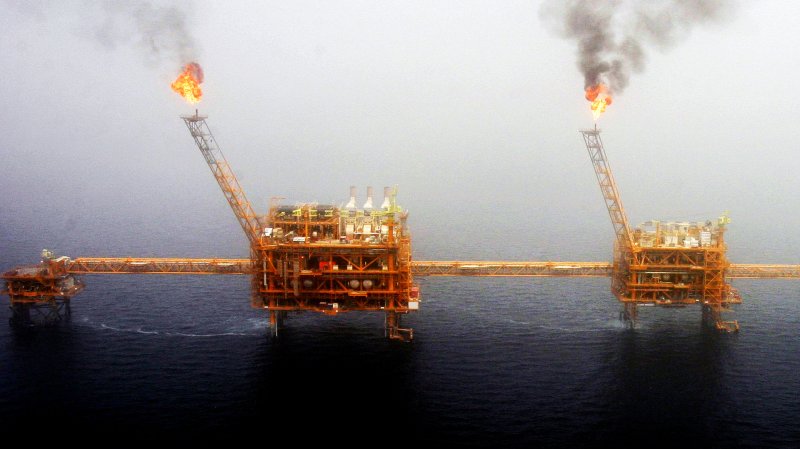
The Middle East has long occupied a central position in the global energy system. Home to some of the world's largest oil producers and critical shipping routes, the region plays a decisive role in determining energy supplies, market stability and international economic performance.
Whenever geopolitical tensions rise in the Middle East, governments, businesses and investors immediately begin assessing the potential consequences for oil markets.
RECOMMENDED STORIES
In 2026, renewed concerns about regional security, military confrontations, maritime threats and diplomatic uncertainty have once again placed energy markets on alert. Although global oil prices are influenced by many factors, including economic growth, production decisions and technological developments, geopolitical risks in the Middle East remain among the most powerful drivers of sudden market volatility.
The question now being asked by analysts worldwide is whether current tensions could trigger another major oil price shock similar to those that have periodically disrupted the global economy during previous decades.
Why is the Middle East so important to global oil markets?
The Middle East remains the world's most important oil producing region.
Countries such as Saudi Arabia, Iraq, United Arab Emirates, Kuwait and Iran collectively account for a substantial share of global crude oil production and reserves.
The region is also home to critical export infrastructure, including pipelines, ports, processing facilities and shipping lanes that connect producers to international markets.
Millions of barrels of crude oil and petroleum products move through Middle Eastern export routes every day. Any disruption to these flows can rapidly affect global supply and influence prices across international energy markets.
Because oil remains essential for transportation, manufacturing, agriculture, aviation and industrial production, instability in the region often has consequences far beyond its borders.
What is an oil price shock?
An oil price shock occurs when crude oil prices rise sharply within a relatively short period of time due to sudden changes in supply, demand or market expectations.
Historically, major oil shocks have often been linked to geopolitical events such as wars, revolutions, sanctions, embargoes or attacks on energy infrastructure.
Price shocks typically create uncertainty because markets must quickly reassess whether sufficient supplies will remain available to meet global demand.
Even if physical supplies are not immediately interrupted, fears of future disruptions can cause traders and companies to bid prices higher.
The severity of a shock depends on how much supply is affected, how long disruptions last and whether alternative production sources can compensate for lost output.
Why are markets concerned in 2026?
Several developments have contributed to heightened concern among energy market participants.
Regional tensions involving military confrontations, diplomatic disputes and security incidents have increased uncertainty regarding future stability.
Investors are particularly sensitive to events that could affect major oil producers or key transportation routes. Markets often react not only to actual disruptions but also to the possibility of future supply interruptions.
Recent geopolitical developments have reinforced concerns that even localized incidents could escalate and affect broader regional energy infrastructure.
Financial markets generally dislike uncertainty, and oil markets are especially vulnerable to geopolitical risk because supply chains often span multiple countries and transportation networks.
Why is the Strait of Hormuz considered so important?
Among all energy chokepoints worldwide, the Strait of Hormuz is arguably the most significant.
This narrow waterway connects the Persian Gulf with international shipping routes and serves as one of the world's busiest energy corridors.
A substantial portion of globally traded crude oil and liquefied natural gas passes through the strait each day.
Because of its strategic importance, any threat to navigation immediately attracts worldwide attention.
Even temporary disruptions could affect shipping schedules, insurance costs and market confidence. A prolonged interruption would likely have much larger consequences for global energy prices.
As a result, governments and energy companies closely monitor developments related to maritime security in the region.
How do geopolitical tensions influence oil prices?
Oil markets respond to both physical realities and expectations.
When geopolitical risks increase, traders evaluate whether future production or transportation could be disrupted.
If markets believe supplies may become less secure, prices often rise even before any actual shortage occurs.
This phenomenon is commonly referred to as a geopolitical risk premium. It reflects the additional value that buyers are willing to pay because of uncertainty regarding future availability.
Risk premiums can fluctuate rapidly depending on political developments, diplomatic initiatives or security incidents.
Consequently, oil prices often react immediately to major headlines emerging from politically sensitive regions.
Could supply disruptions actually occur?
While no outcome is inevitable, several types of disruptions are theoretically possible during periods of heightened tension.
These include:
-
Damage to production facilities
-
Attacks on export terminals
-
Pipeline interruptions
-
Shipping disruptions
-
Cyberattacks targeting energy infrastructure
-
Restrictions on exports
-
Expanded sanctions affecting energy trade
Modern energy infrastructure is generally designed with multiple layers of protection and redundancy. Major producing countries also invest heavily in security measures.
Nevertheless, the possibility of disruptions remains a key concern whenever regional instability increases.
How prepared is the global oil market today?
The global energy system is considerably more diversified than it was during some earlier oil crises.
Production now comes from a broader range of regions, including North America, South America, Africa and parts of Asia.
The growth of shale production in the United States has significantly altered global supply dynamics over the past decade. American producers can often increase output more quickly than many conventional producers under favorable market conditions.
Strategic petroleum reserves maintained by numerous countries also provide emergency supply buffers.
Additionally, advances in logistics, storage and transportation have improved market flexibility.
These factors may help reduce the impact of localized disruptions compared with previous decades.
What role does OPEC+ play?
The OPEC+ alliance remains one of the most influential actors in global oil markets.
The group includes members of the Organization of the Petroleum Exporting Countries along with several major non member producers.
OPEC+ regularly adjusts production targets in response to market conditions.
If a significant supply disruption were to occur, the alliance could potentially increase output from countries with spare production capacity to help stabilize markets.
However, the effectiveness of such measures would depend on the scale of any disruption and the availability of unused production capacity.
Because OPEC+ decisions influence global supply expectations, markets closely follow statements and policy adjustments from the group.
Could higher oil prices affect inflation?
Energy prices influence virtually every sector of the economy.
When oil becomes more expensive, transportation costs often rise. These higher costs can affect manufacturing, logistics, agriculture and retail prices.
Fuel prices influence the cost of moving goods by truck, ship, rail and aircraft. As transportation becomes more expensive, businesses may pass some costs on to consumers.
Higher energy costs can therefore contribute to inflationary pressures.
Central banks closely monitor oil prices because sustained increases may complicate efforts to maintain price stability.
For households, rising fuel prices can reduce disposable income and affect spending patterns.
Which countries are most vulnerable to an oil shock?
Countries that rely heavily on imported energy are generally more vulnerable to sudden price increases.
Many nations in Europe and Asia import substantial quantities of crude oil and refined petroleum products. Sharp price increases can raise import costs, worsen trade balances and increase inflation.
Energy intensive industries may face higher operating expenses, potentially affecting profitability and investment decisions.
Developing economies can be especially vulnerable because energy expenditures often represent a larger share of household and business budgets.
Oil exporting countries, by contrast, may benefit from higher prices through increased export revenues, although extreme volatility can also create economic challenges.
Could oil prices reach record highs?
Forecasting oil prices is notoriously difficult because markets are influenced by numerous interacting factors.
A major regional disruption affecting significant production volumes could potentially cause substantial price increases.
However, several factors may help prevent extreme scenarios:
-
Diverse global supply sources
-
Strategic petroleum reserves
-
Flexible production capacity in some countries
-
Demand management measures
-
Technological improvements in energy efficiency
Market reactions depend not only on the size of a disruption but also on expectations regarding its duration.
Short term incidents may generate temporary spikes, whereas prolonged disruptions tend to have more lasting effects.
What would a major oil shock mean for consumers?
Consumers would most likely notice impacts through fuel prices.
Gasoline, diesel and aviation fuel costs could increase if crude oil prices remain elevated for an extended period.
Higher transportation expenses could influence prices for goods and services throughout the economy.
Industries that rely heavily on energy inputs may face additional cost pressures, potentially affecting production decisions and investment plans.
Governments may respond through policy measures aimed at stabilizing markets or reducing the burden on consumers.
The overall impact would depend on the magnitude and duration of any price increase.
How are governments preparing?
Many governments maintain contingency plans for potential energy disruptions.
Common measures include:
-
Strategic petroleum reserves
-
Emergency supply coordination
-
Energy diversification programs
-
Alternative transportation initiatives
-
Infrastructure protection efforts
-
Diplomatic engagement aimed at reducing tensions
International cooperation also plays an important role in managing energy security challenges.
Organizations, alliances and bilateral partnerships often coordinate responses during periods of market stress.
These preparations are intended to improve resilience and reduce vulnerability to sudden disruptions.
Could the energy transition reduce future risks?
The global transition toward renewable energy and electrification may gradually reduce dependence on oil over the long term.
Investments in solar power, wind energy, battery storage and electric vehicles are reshaping energy systems in many countries.
Nevertheless, oil continues to play a vital role in transportation, industry, petrochemicals and global trade.
Even as renewable energy expands, crude oil is expected to remain an important component of the global energy mix for years to come.
As a result, geopolitical developments in major producing regions will likely continue influencing energy markets for the foreseeable future.
What is the most likely outlook?
Most analysts do not currently expect a severe global oil crisis comparable to the largest historical shocks.
Global energy markets are more diversified, production is geographically broader and emergency response mechanisms are stronger than in previous decades.
However, elevated geopolitical risks mean volatility could remain a defining feature of energy markets throughout 2026.
Prices may continue reacting sharply to developments involving regional security, diplomatic negotiations and energy infrastructure.
The possibility of temporary supply disruptions cannot be ruled out, and markets are likely to remain highly sensitive to events in the Middle East.
The bottom line
Renewed Middle East tensions have once again highlighted the region's critical importance to global energy security. While today's oil market is more resilient than in past decades, geopolitical uncertainty continues to influence prices and investor sentiment. Any disruption involving major producers, export facilities or strategic shipping routes could trigger significant market reactions and place upward pressure on energy costs.
Whether current tensions evolve into a major oil price shock will depend on the trajectory of regional events, the stability of energy infrastructure and the ability of global producers to maintain reliable supplies. For now, governments, businesses and consumers around the world remain focused on developments in one of the most strategically important regions of the global economy.
By Faig Mahmudov


Similar news