Central Asia meets Germany in Khiva: focus on 400 billion economy and young population


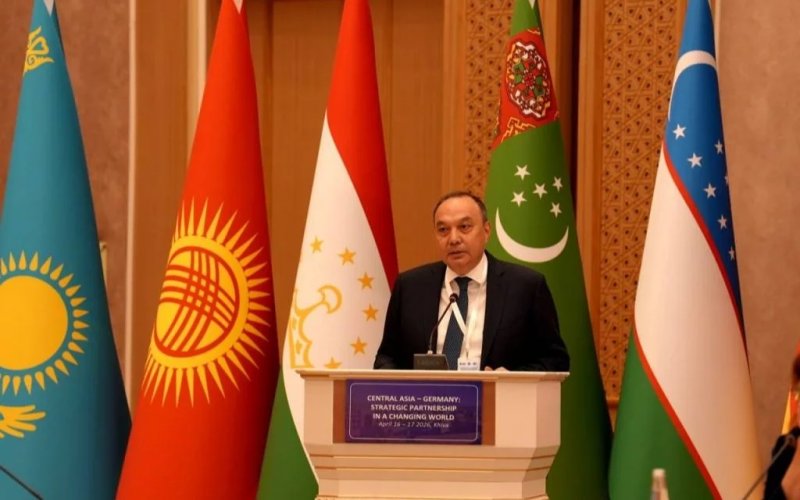
The inaugural Central Asia – Germany expert forum opened in the historic city of Khiva, Uzbekistan, on April 16, 2026.
This landmark event, organized by the Institute for Strategic and Regional Studies in collaboration with the Konrad Adenauer and Friedrich Ebert foundations, marks a new stage in regional dialogue, News.Az reports, citing Qaz Inform.
Representatives from leading think tanks and business circles gathered to discuss a strategic partnership fueled by the region's rapid economic rise and significant demographic potential.
RECOMMENDED STORIES
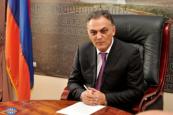
Eldor Aripov, director of the institute, highlighted that the combined gross domestic product of Central Asia has already surpassed $400 billion. With an average annual growth rate of approximately 6%, the region is significantly outperforming global averages. This economic momentum, coupled with a young and growing population, positions Central Asia as a partner of choice for Germany as both sides seek to diversify supply chains and secure energy and resource stability.
A key focus of the forum is the creation of specialized industrial zones tailored for the machinery, chemical, and electrical industries. Experts are also exploring joint ventures for the processing of critical minerals, which are essential for the global green energy transition. By moving beyond traditional trade to include deep industrial cooperation and digital transformation, the forum aims to provide the analytical foundation for the "Z5+1" format.
Beyond economics, the discussions in Khiva emphasized the importance of investing in human capital through expanded academic exchanges and orderly labor migration. Participants expressed confidence that this permanent expert platform will generate fresh initiatives to strengthen professional ties between Europe and Central Asia. The results of the meeting are expected to serve as a roadmap for upcoming high-level summits, cementing the region's role as a vital bridge in the current geopolitical landscape.
By Leyla Şirinova


Similar news