China approves first Nvidia H200 chip imports


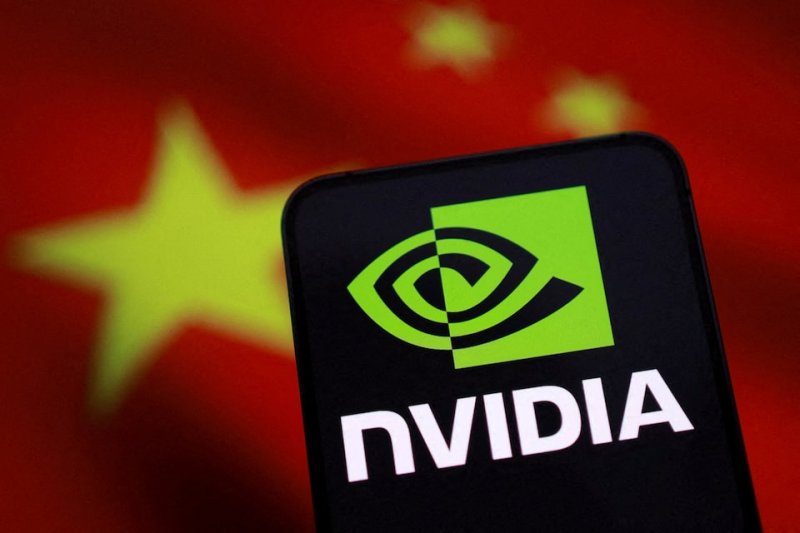
China has approved its first batch of imports of Nvidia’s H200 artificial intelligence chips, allowing major Chinese tech firms to purchase hundreds of thousands of the high-performance processors, according to sources familiar with the decision.
ByteDance, Alibaba and Tencent have been cleared to buy more than 400,000 H200 chips in total. Other Chinese enterprises are now reportedly lining up for approval in future batches, signaling Beijing’s shift toward easing restrictions on advanced foreign AI hardware while still supporting domestic chip development, News.Az reports, citing Reuters.
The approval was granted during Nvidia CEO Jensen Huang’s visit to China this week. While U.S. authorities earlier cleared Nvidia to export the H200 chips to China, Beijing had final authority over whether the imports could proceed. Until recently, Chinese customs officials had blocked entry of the chips, making this decision a notable policy adjustment.
The H200 is Nvidia’s second-most powerful AI processor and delivers roughly six times the performance of the H20 model previously available to Chinese buyers. Demand from Chinese firms has surged as they invest heavily in data centers and AI services to compete with global rivals such as OpenAI. Reports indicate Chinese companies have already placed orders exceeding two million H200 units, far above Nvidia’s current supply capacity.
Beijing’s decision reflects a careful balancing act: meeting the urgent AI infrastructure needs of major internet companies while continuing to promote China’s domestic semiconductor industry. Authorities are reportedly considering rules that would require firms to purchase a quota of locally produced chips as a condition for importing foreign semiconductors.
It remains unclear how many additional companies will receive approval in upcoming batches or what criteria regulators are using. However, the first approvals suggest China is prioritizing national tech champions as it accelerates its AI ambitions amid ongoing global technology competition.
By Aysel Mammadzada


Similar news