China pays premium for Iranian oil for first time in years


Chinese independent refiners, known as “teapots”, are paying above benchmark prices for Iranian crude for the first time in years, signaling a major shift in global oil trade dynamics amid geopolitical tensions.
According to industry sources, these refiners have recently purchased Iranian Light crude at premiums of $1.50 to $2 per barrel over Brent crude, a sharp reversal from the typical $10 discount Iranian oil has traded at due to sanctions, News.Az reports, citing Reuters.
The move comes as market conditions rapidly evolve following the ongoing Iran war and a temporary easing of U.S. restrictions.
RECOMMENDED STORIES
For years, Iranian oil has been sold at discounted rates because of sanctions limiting its access to global markets. However, falling benchmark prices and tightening supply have flipped that trend.
Sources say at least two refiners in Dongying, a key refining hub in eastern China’s Shandong province, secured cargoes currently floating near China, with deliveries expected later this month.
One trader noted that this is likely the first time since 2022 that Chinese teapots have paid a premium for Iranian crude, highlighting just how unusual current market conditions have become.
The shift is also being driven by expectations that India will resume Iranian oil imports. The country is set to receive its first shipment in seven years after Washington issued a temporary waiver on sanctions for oil already at sea.
This development has increased competition for available cargoes, pushing prices higher.
The surge in demand comes after Brent crude futures dropped around 13%, falling below $100 per barrel following a ceasefire announcement linked to the conflict. Although prices rebounded slightly, the dip encouraged buyers to secure supplies quickly.
At the same time, disruptions in shipping through the Strait of Hormuz, a critical artery for global oil flows, have added further uncertainty to the market.
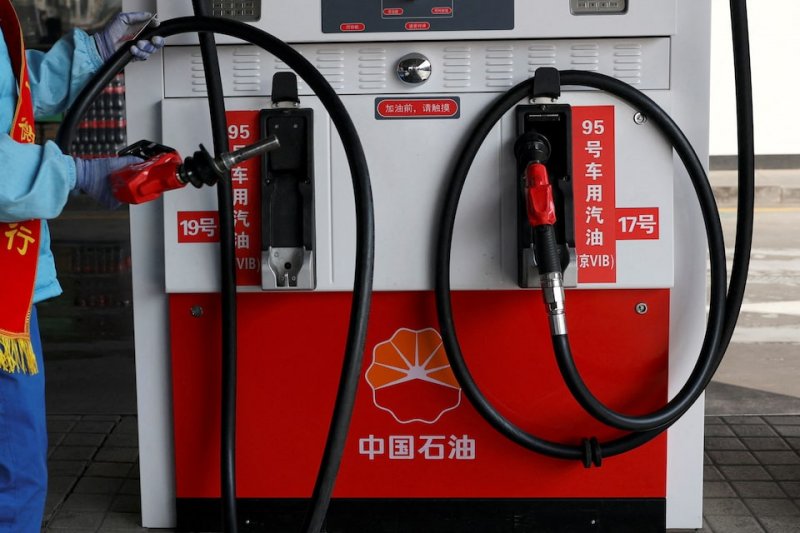
Chinese refiners are also benefiting from improved profit margins. Lower crude costs combined with rising domestic fuel prices have boosted profitability, incentivizing teapots to ramp up purchases.
Beijing recently increased retail fuel price caps, raising gasoline and diesel prices and supporting refinery margins.
In addition, China’s state planner has urged independent refiners to maintain processing levels in order to ensure stable domestic fuel supplies, especially as state-owned refiners scale back output.
By Aysel Mammadzada


Similar news