Coffee and the gut-brain axis: New insights into cognitive and microbial health


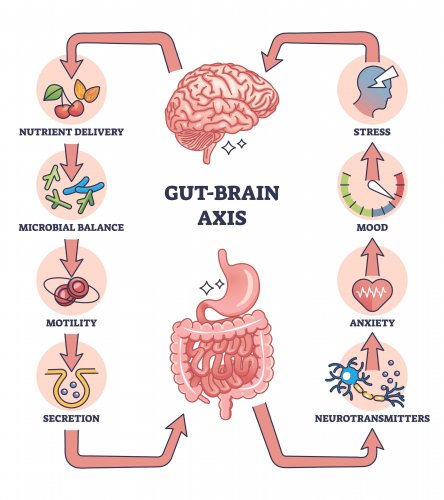
A recent study involving healthy adults has shed light on how coffee consumption influences the microbiota-gut-brain axis, revealing that the beverage's benefits extend far beyond a simple caffeine kick.
By comparing habitual coffee drinkers (CDs) to non-coffee drinkers (NCDs), researchers tracked how coffee—and the absence of it—affects mood, metabolism, and gut bacteria, News.Az reports, citing News-Medical.
Key Findings on Cognition and Mood
The study highlighted distinct roles for caffeinated versus decaffeinated coffee:
Caffeinated Coffee: Effectively reduced anxiety, lowered salivary cortisol levels, and improved coping abilities and self-concept.
Decaffeinated Coffee: Surprising benefits included improved episodic memory, better sleep quality, and increased physical activity.
RECOMMENDED STORIES
Withdrawal and Reactivity: Habitual drinkers initially showed higher impulsivity and emotional reactivity compared to non-drinkers. While abstinence reduced these traits, reintroducing coffee helped stabilize mood and mitigate withdrawal symptoms like fatigue and headaches. Impact on the Gut Microbiome
Coffee acts as a significant dietary driver of gut health, regardless of caffeine content. The research found that:
Metabolic Shifts: Regular consumption increases short-chain fatty acids (SCFAs) and alters levels of neuroactive metabolites like GABA, which regulates anxiety and cognitive function.
Specific Microbial Changes: Coffee influences specific microbial strains rather than overall diversity. It particularly boosts species known for producing butyrate, a compound essential for gut lining health and reducing neuroinflammation.
Phenolic Power: Bioactive compounds like chlorogenic acids and melanoidins are metabolized by the unique microbiome of each individual, influencing how effectively the body fights inflammation.
Modulating Inflammation
The study suggests that coffee components play a complex role in the immune system. Both caffeinated and decaffeinated varieties were found to lower IL-6, a marker of inflammation, suggesting that the non-caffeine "bioactive" parts of coffee are powerful tools for immune responsiveness.
Conclusion
This research underscores that coffee is a complex biological tool. While caffeine drives immediate alertness and mood regulation, the non-caffeinated polyphenols work through the gut microbiome to improve memory and lower systemic inflammation. The findings suggest that moderate consumption can be a strategic part of maintaining both neurological and digestive health.
By Leyla Şirinova


Similar news