Drone attacks spread fear across Colombia as civilian casualties rise


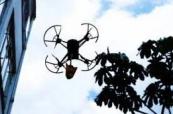
Drone attacks carried out by armed groups are rapidly reshaping Colombia’s long-running conflict, with civilians increasingly affected as the use of weaponised drones expands across the country.
The attacks have targeted military positions, police stations, homes, hospitals and public infrastructure, while casualties and injuries continue to rise in several regions of Colombia, News.Az reports, citing The Guardian.
According to reports, one of the first known deadly drone attacks against civilians took place in southern Cauca in 2024, when a drone dropped a grenade during a children’s football match, killing a 10-year-old boy and injuring 12 other civilians.
RECOMMENDED STORIES
- Zelenskyy reacts as Russian drone hits Chinese ship in Black Sea
- Ukraine downs over 500 Russian targets in massive overnight raid
- Drone strikes hit Chernihiv region 43 times, leaving civilians wounded and infrastructure damaged
- Drone attack on Odesa wounds two, damages residential buildings and public facilities
Since then, a series of similar attacks have been reported across the country. In 2025, a drone strike near a temporary Médecins Sans Frontières hospital in Cauca injured health workers, while another attack in Antioquia brought down a police helicopter, killing at least eight officers. Other strikes targeted military facilities, homes and public buildings.
Earlier this month, authorities also discovered a drone packed with explosives near Bogotá’s international airport and a nearby military base.
Monitoring organization ACLED reported that drone attacks increased sharply from just one recorded incident in 2023 to dozens in 2024 and more than a hundred in 2025. Colombia’s Defense Ministry reported even higher figures.
Analysts say dissident factions of the former Farc guerrilla movement were among the first armed groups to adopt commercial drones modified to carry explosives, followed by other organizations including the ELN. Many of the drones reportedly use “kamikaze” tactics, with the aircraft itself acting as the weapon.
Experts also warn that armed groups are increasingly developing specialized drone units and adapting tactics seen in global conflicts, including the war in Ukraine. Authorities believe some groups are now using advanced fibre-optic drones resistant to electronic jamming.
Colombian officials acknowledged that countering drone attacks across the country remains difficult and costly. President Gustavo Petro recently admitted that criminal groups currently hold an “aerial advantage” in some regions.
Analysts warn that as drone warfare expands, civilians are becoming increasingly vulnerable in a conflict where threats can now emerge from above without warning.
By Leyla Şirinova


Similar news