El Salvador's constitutional reform aims to legalize life imprisonment


El Salvador's Legislative Assembly has approved a constitutional reform permitting life imprisonment for those convicted of homicide, rape, and terrorism, marking a shift from the previous legal framework that prohibited such penalties.
The Constitution, under Article 27, had barred life sentences and required prison terms to have a fixed duration, while the Penal Code established maximum sentences of up to 50 years for crimes such as aggravated homicide. The same article also prohibits the death penalty in peacetime, News.Az reports, citing foreign media.
RECOMMENDED STORIES
The reform, approved Tuesday and requiring another step before it becomes effective, modifies the second paragraph of Article 27, establishing now that "life imprisonment shall be imposed only on murderers, rapists and terrorists," while maintaining the prohibition of imprisonment for debt and other sanctions considered degrading.
Security Minister Gustavo Villatoro said the reform aims to strengthen public safety.
"The country we aspire to requires that there be no murderers or rapists in our society," he said during the presentation of the initiative.
After the vote, ruling party lawmaker Suecy Callejas said the reform marks a shift in the fight against crime.
"This constitutional reform guarantees that those who destroyed Salvadoran families, raped innocent people and spread terror will never walk our streets again," she said.
The initiative was submitted to Congress just hours before its approval and was voted on without prior debate or detailed legislative review, according to reports by Spanish newspaper El País.
For the reform to take effect, it must be ratified in a future plenary session. However, the process could be expedited after the same Legislateie Aassembly in 2024 modified the constitutional reform mechanism to allow approval and ratification within a single legislative term.
The Political Commission must now review and adjust secondary laws such as the Penal Code, the Juvenile Criminal Law and the Law Against Acts of Terrorism to align them with the new constitutional text.
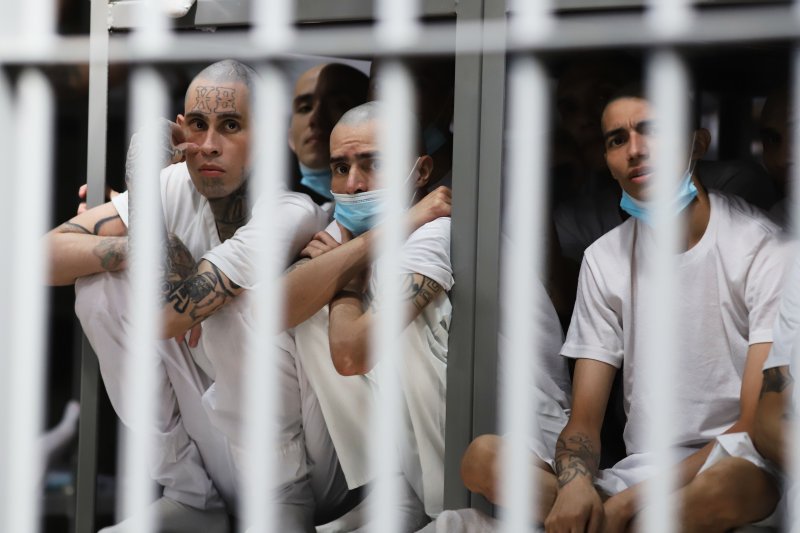
The reform comes as El Salvador approaches four years under a state of exception in force since March 2022, implemented to combat gangs and that has allowed more than 90,000 detentions, according to official figures.
Salvadoran courts have issued sentences of hundreds of years against gang members in maximum security prisons such as the Terrorism Confinement Center, known as CECOT.
In December, the Prosecutor's Office reported that 248 members of MS-13 were sentenced for 43 homicides and 42 disappearances, among other crimes.
One of the defendants received a sentence of 1,335 years in prison, while others were sentenced to terms ranging from 463 to 958 years.
The government attributes a sharp reduction in homicides to these measures, which has led the country to record historically low levels of lethal violence in the region.
Organizations such as Human Rights Watch, Cristosal and Socorro Jurídico Humanitario have reported arbitrary detentions, torture and deaths in custody, with about 500 cases reported during the state of exception.
They also say that many detainees have not received due process.
The government has rejected these accusations. Public defender René Escobar said the administration does not apply policies of forced disappearance, torture or extrajudicial executions.
The reform reinforces Bukele's security strategy, which maintains high levels of domestic support but continues to generate international scrutiny over its impact on due process and judicial independence.
By Ulviyya Salmanli


Similar news