Latest situation around the Strait of Hormuz


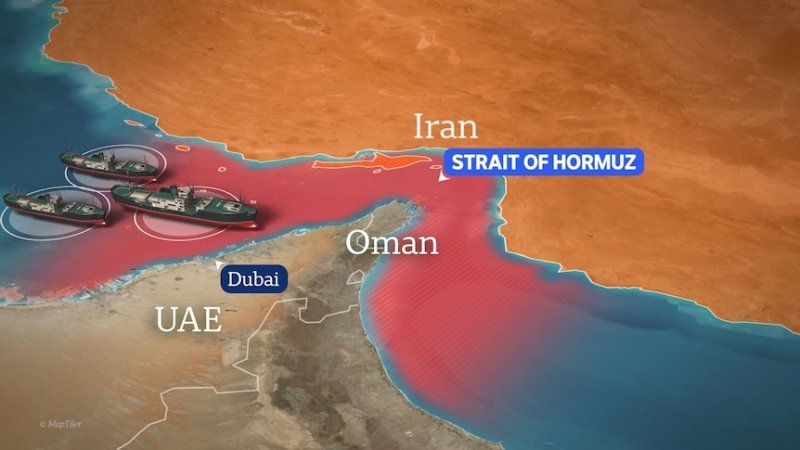
The Strait of Hormuz has once again emerged as one of the world's most closely watched geopolitical flashpoints as tensions involving Iran, the United States and regional actors continue to create uncertainty across global energy markets and international shipping routes.
Although the waterway remains open to commercial traffic, concerns over security risks, military activity and potential disruptions have raised fears of a broader economic impact that could extend far beyond the Middle East.
RECOMMENDED STORIES
For decades, the Strait of Hormuz has been regarded as one of the most strategically important maritime passages on the planet. Any instability in the area has the potential to affect oil prices, natural gas exports, shipping costs, supply chains and economic growth across multiple continents.
As governments, energy companies and investors closely monitor developments, here are the key questions and answers about the latest situation.
What is the Strait of Hormuz?
The Strait of Hormuz is a narrow maritime passage connecting the Persian Gulf to the Gulf of Oman and the Arabian Sea. It lies between Iran to the north and Oman and the United Arab Emirates to the south.
Although relatively narrow, the waterway serves as one of the most important transportation corridors for global energy exports. Every day, massive quantities of crude oil, petroleum products and liquefied natural gas move through the strait on their way to markets in Asia, Europe and beyond.
Its strategic location means that even limited disruptions can have consequences for the global economy.
Why is the Strait of Hormuz so important to the global economy?
The importance of the Strait of Hormuz stems from the enormous volume of energy resources transported through it.
Several major oil producing countries rely heavily on the route to export crude oil and natural gas. Countries such as Saudi Arabia, Iraq, Kuwait, Qatar and the United Arab Emirates depend on access to the strait to reach international customers.
Because global energy markets remain interconnected, any disruption in exports from the Gulf region can quickly affect oil prices around the world. Rising oil prices often lead to higher transportation costs, increased manufacturing expenses and inflationary pressures in many economies.
As a result, developments in the Strait of Hormuz are monitored not only by governments in the Middle East but also by policymakers, businesses and consumers worldwide.
What is happening in the Strait of Hormuz right now?
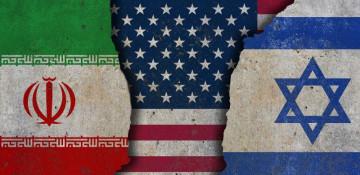
The latest tensions are linked to broader geopolitical disputes involving Iran, the United States and regional security concerns.
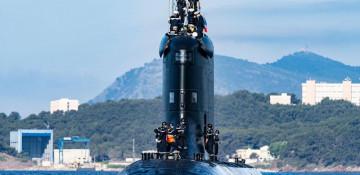
Military activity, naval deployments, diplomatic disagreements and concerns over maritime security have contributed to an atmosphere of uncertainty. Although commercial vessels continue to transit the waterway, shipping companies are operating under heightened security measures.
Some operators have reduced activity in the region, while others have implemented additional safety protocols for crews and vessels.
The result is a situation in which the waterway remains functional but faces elevated risks compared with normal conditions.
Has the Strait of Hormuz been closed?
No.
The Strait of Hormuz remains open to commercial navigation. However, shipping activity has become more complicated due to security concerns.
While some vessels continue operating normally, others have altered schedules, delayed voyages or adopted alternative strategies to reduce risks.
Experts note that even without a formal closure, uncertainty alone can disrupt global trade. When shipping companies become cautious, transportation costs rise and supply chains may experience delays.
This is one reason why markets pay close attention to developments even when the waterway remains technically open.
Why are shipping companies concerned?
Shipping companies face several challenges during periods of heightened tension.
The primary concern is the safety of vessels and crews. Maritime operators must consider risks associated with military activity, potential attacks, navigation restrictions and broader security issues.
Insurance costs have also increased significantly. War risk premiums for vessels operating in sensitive regions can rise sharply during periods of instability.
In addition, uncertainty complicates logistical planning. Shipping companies prefer predictable operating environments, and geopolitical tensions can make scheduling and route management more difficult.
As a result, many firms are closely monitoring developments before making long term operational decisions.
How could the situation affect oil prices?
The relationship between the Strait of Hormuz and global oil prices is direct.
Whenever tensions increase in the region, markets often react because investors worry about potential disruptions to supply.
Even if no actual disruption occurs, the possibility of reduced exports can influence market sentiment. Traders may anticipate shortages, leading to higher prices.
If a significant disruption were to occur, energy markets could experience substantial volatility. The magnitude of any price increase would depend on the duration and severity of the disruption.
For now, energy markets remain highly sensitive to developments in the region.
Could the situation affect natural gas supplies?
Yes.
The Strait of Hormuz is not only important for oil exports but also for liquefied natural gas shipments.
Several major exporters rely on the route to supply customers around the world. Any disruption could affect energy markets beyond crude oil and influence natural gas prices as well.
Countries that depend heavily on imported energy are particularly attentive to developments because supply interruptions could affect industrial production, electricity generation and economic activity.
What is Iran's role in the crisis?
Iran occupies a strategic position along the Strait of Hormuz and has long regarded the waterway as a critical component of its national security interests.
Iranian officials have repeatedly emphasized the country's influence over regional maritime security and have argued that stability in the Gulf depends on respecting regional interests.
At the same time, tensions between Iran and Western countries have contributed to recurring disputes involving sanctions, military deployments and maritime operations.
These broader geopolitical disagreements often influence developments in the Strait of Hormuz.
What is the United States doing?
The United States maintains a significant military presence in the Gulf region and has consistently emphasized the importance of freedom of navigation.
American naval forces have historically played a major role in protecting commercial shipping routes and supporting maritime security operations.
Washington continues to monitor developments closely and remains engaged in both diplomatic and security related efforts aimed at preventing escalation.
The United States also works closely with regional allies and international partners to maintain stability in key maritime corridors.
Could military tensions escalate further?
This remains one of the biggest concerns for analysts and policymakers.
While diplomatic efforts continue, the presence of military assets from multiple countries in a relatively confined geographic area increases the risk of miscalculation.
Even isolated incidents have the potential to generate wider consequences if not managed carefully.
Experts note that avoiding unintended escalation remains a key priority for all parties involved.
Why are financial markets paying attention?
Financial markets react quickly to uncertainty.
Investors closely monitor developments in the Strait of Hormuz because disruptions to energy supplies can affect inflation, economic growth and corporate profitability.
Higher energy costs often translate into increased expenses for transportation, manufacturing and logistics companies.
As a result, developments in the Gulf region can influence stock markets, commodity prices and investor sentiment worldwide.
How could ordinary consumers be affected?
Many people may wonder why events occurring thousands of kilometers away matter to their daily lives.
The answer lies in energy prices.
If oil and natural gas prices increase significantly, consumers may eventually face higher costs for fuel, transportation and goods that depend on energy intensive production processes.
Airline tickets, shipping costs and manufacturing expenses can all be influenced by changes in energy markets.
This is why governments and businesses closely follow developments in the Strait of Hormuz.
Are alternative routes available?
Some alternative export routes exist, but their capacity is limited compared with the volume of energy that normally passes through the Strait of Hormuz.
Several Gulf countries have invested in pipelines and alternative transportation infrastructure designed to reduce dependence on the waterway.
However, these alternatives generally cannot fully replace the enormous volume of trade that moves through the strait on a daily basis.
Consequently, the Strait of Hormuz remains indispensable to global energy markets.
What are the biggest risks facing the region?
Several risks continue to concern policymakers and analysts.
These include potential attacks on commercial vessels, accidental military confrontations, prolonged shipping disruptions, rising insurance costs and broader regional escalation.
Another concern involves the impact on global energy markets. Prolonged uncertainty could create volatility that affects businesses and consumers worldwide.
The longer tensions persist, the greater the likelihood of economic consequences extending beyond the Middle East.
What happens next?
The future of the Strait of Hormuz will largely depend on the interaction between diplomacy and security developments.
If negotiations succeed in reducing tensions, shipping activity could stabilize and market concerns may gradually ease.
However, if new incidents occur or political disputes intensify, uncertainty could remain elevated for an extended period.
For now, the Strait of Hormuz continues to function as a critical artery of global commerce, but it also remains one of the world's most sensitive geopolitical hotspots. The coming weeks and months will likely play a crucial role in determining whether the region moves toward greater stability or faces renewed turbulence with implications for energy markets, international trade and the global economy.
By Faig Mahmudov


Similar news