Explosions sink Russian ship carrying nuclear reactors - VIDEO/PHOTO


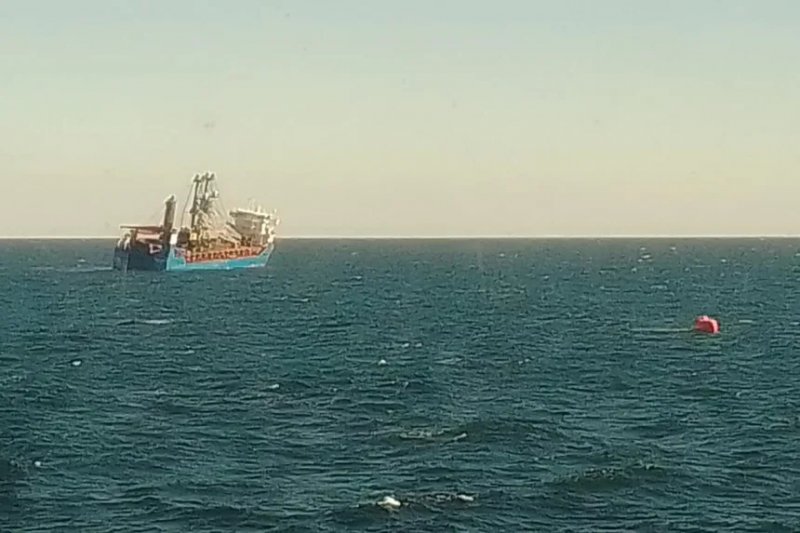
A Russian cargo ship believed to be carrying submarine nuclear reactor components possibly destined for North Korea sank under mysterious circumstances off the coast of Spain, according to a CNN investigation that has raised new questions about covert military operations, nuclear technology transfers and Russian secrecy.
The vessel, the Ursa Major, went down in the Mediterranean Sea on December 23, 2024, after a series of explosions tore through its hull around 60 miles from Spain’s southeastern coast. The ship’s fate remained largely hidden from public view for months, but new details suggest the incident may have involved sensitive nuclear cargo and possible foreign intervention, News.Az reports, citing CNN.
❗❗❗ If this is confirmed, it will be a very big deal:
— Visioner (@visionergeo) May 12, 2026
According to CNN, one NATO member country may have sunk a Russian ship to stop the transfer of nuclear technology to North Korea.
The cargo ship Ursa Major, which was carrying components of two nuclear reactors, sank… pic.twitter.com/OsgJ14oJII
Spanish authorities confirmed the ship’s Russian captain told investigators the vessel was transporting components for two nuclear reactors similar to those used in submarines. He reportedly said he could not confirm whether the reactors contained nuclear fuel.
RECOMMENDED STORIES
The Ursa Major had departed from Russia’s Baltic ports earlier that month, officially bound for Vladivostok in Russia’s Far East. Its public cargo manifest listed vague items including “manhole covers,” empty shipping containers and large cranes. However, investigators reportedly questioned why such cargo would be transported on a long sea route across multiple regions instead of using Russia’s extensive rail network.
According to CNN, Spanish investigators suspect the real destination may have been the North Korean port of Rason. The report comes after North Korean leader Kim Jong Un unveiled images in late 2025 of what Pyongyang claimed was its first nuclear-powered submarine.
The ship had been escorted by Russian military vessels as it traveled along the European coastline. Portuguese naval forces tracked the vessel before handing over monitoring responsibilities near Spanish waters. Shortly afterward, the ship reportedly slowed unexpectedly before later issuing an emergency distress call.
Investigators said three explosions struck the vessel near the engine room, killing two crew members and forcing the remaining sailors to abandon ship. Spanish rescue teams reached the area and attempted to search the damaged vessel, but parts of the ship were inaccessible.
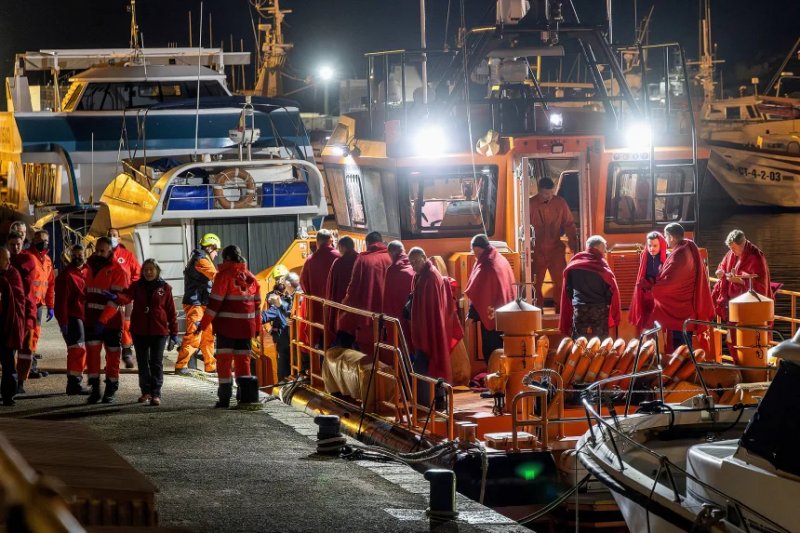
The mystery deepened later that evening when one of the accompanying Russian military ships reportedly ordered nearby vessels to stay away from the scene. Shortly afterward, four additional explosions were detected in the area. Spanish seismic monitoring systems later confirmed unusual underwater blast signatures at approximately the same time.
Days later, the Russian state-linked company that owned the Ursa Major described the incident as a “targeted terrorist attack.” The company claimed investigators found a 50-centimeter hole in the hull with metal bent inward and debris scattered across the deck.
According to sources familiar with the Spanish investigation, authorities examined the possibility that the vessel had been struck by a supercavitating torpedo, a rare high-speed weapon capable of piercing a hull without creating a large explosion. Other defense analysts cited in the report argued a limpet mine attached to the hull may be a more plausible explanation.
The wreck now lies roughly 2,500 meters beneath the Mediterranean Sea. Spanish officials have said recovering the vessel’s data recorder would require significant technical resources and involve serious risks.
The case has also attracted attention from the United States military. Public flight records show that specialized US WC-135 “nuclear sniffer” aircraft flew over the wreck site twice after the sinking. These aircraft are typically used to detect radioactive particles and monitor nuclear activity.
No evidence of radioactive contamination has been publicly reported, and Spanish authorities have not indicated any threat to coastal populations or tourism areas.
Defense experts told CNN that if Russia was indeed attempting to transfer submarine reactor technology to North Korea, it would represent a major escalation in military cooperation between Moscow and Pyongyang. Analysts noted such technology sharing is extremely rare and usually reserved for close strategic allies.
Despite months of investigation, many questions surrounding the Ursa Major remain unanswered, including what exactly caused the explosions, whether nuclear material was truly onboard and why Russian military vessels reacted so aggressively at the scene.
By Aysel Mammadzada


Similar news