Four dead as Vibrio vulnificus cases rise in Florida after Hurricane Helene


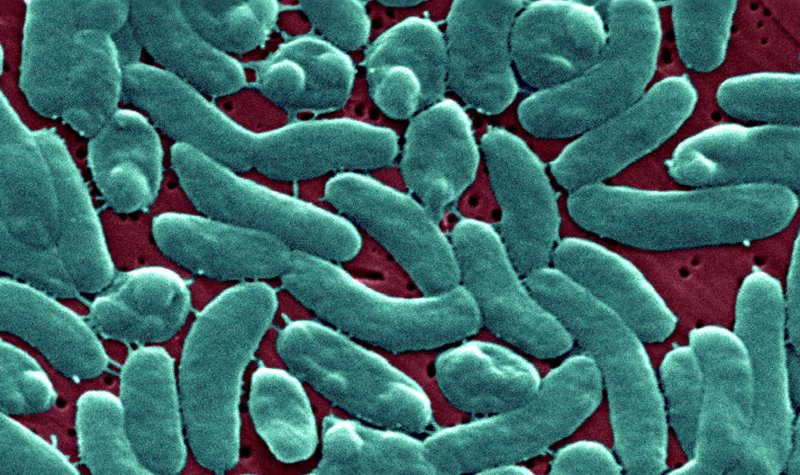
Four individuals have died and seven others have fallen ill in Florida due to a surge in Vibrio vulnificus infections, a deadly bacteria known for causing flesh-eating disease.
The bacteria thrive in saltwater and brackish environments, leading to a condition called vibriosis, News.Az reports, citing foreign media.
The Florida Health Department reports that although these numbers are down from last year, 2024 saw a rise in vibriosis cases due to the impacts of Hurricane Helene, which caused flooding and increased contact with contaminated water. In 2022, there was a similar spike after Hurricane Ian.
Vibrio naturally live in coastal waters, according to the Centers for Disease Control and Prevention. Most people are sickened by vibrio after eating raw or undercooked shellfish — particularly oysters — because the bacteria will “concentrate” inside the shellfish, the CDC explains.
However, they naturally live in brackish water and cause an infection if a swimmer has an open wound — or a recent tattoo or piercing.
In the best case scenario for a vibrio infection, those sickened will experience “watery diarrhea, often accompanied by stomach cramping, nausea, vomiting, and fever,” the CDC explains.
Bloodstream and wound infections are far more severe, causing “dangerously low” blood pressure, skin blisters — and necrotizing fasciitis, commonly known as the flesh-eating disease. As the CDC notes, “Doctors may need to amputate a patient’s legs or arms to remove dead or infected tissue.”
Peter Volpi Jr., who survived a vibrio infection last year that he believes was contracted from swimming in the Gulf of Mexico, shared in an earlier interview with WFLA that it was “the most excruciating pain I’ve ever felt” — and that he’s been bedridden for months following his infection.
The CDC says there are 80,000 cases of vibriosis a year, with 52,000 of them being caused by contaminated food.


Similar news