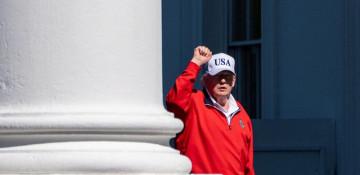
Germany’s Merz cautions young people against moving to US


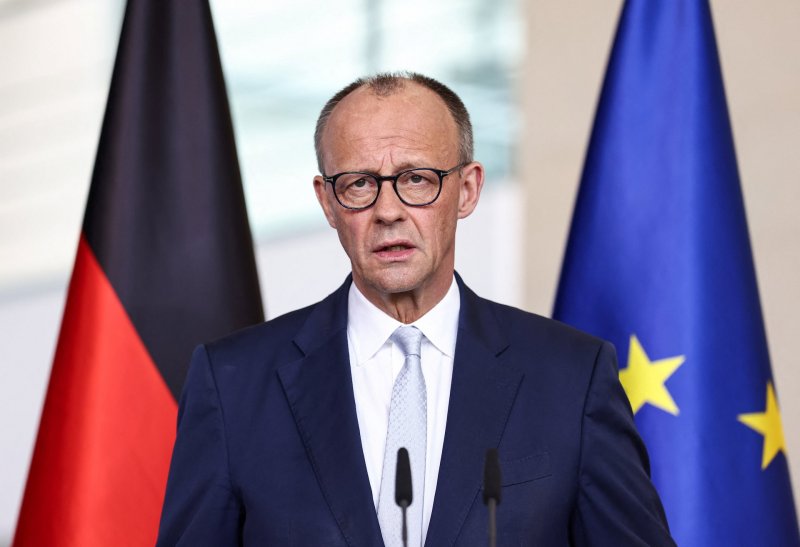
German Chancellor Friedrich Merz said on Friday that he would not advise young people in Germany to move to the United States for either study or employment, marking what is seen as another indication of cooling relations between Berlin and Washington, News.Az reports, citing AFP.
Last month, Merz was involved in a high-profile dispute with US President Donald Trump after the German chancellor stated that Iran was “humiliating” Washington at the negotiating table.
Following those remarks, Trump — who went on to describe Merz as doing a “terrible” job as Germany’s leader — suddenly announced that the United States would withdraw 5,000 troops from military bases located in Germany.
RECOMMENDED STORIES
Speaking at a gathering of German Catholics in the southern city of Wuerzburg on Friday, Merz received applause after he said: “I would not recommend to my children today that they go to the US to get an education and to work.”
He pointed to what he described as “the social climate that has suddenly developed” in the United States, and added that “even the best educated in America have great difficulty in finding a job,” emphasizing his concerns about current conditions.
Merz has traditionally been regarded as a transatlanticist in the mould of most centrist German politicians; however, relations between Germany and the United States have become increasingly strained under Trump’s administration.
“I am a great admirer of America, but right now my admiration is not increasing,” he said, prompting laughter from the audience present at the event.
Even prior to the dispute over Iran, Merz had already stated that a cultural “rift” had opened between the United States and Europe, which he attributed to the culture wars associated with Trump’s Make America Great Again (MAGA) movement.
The Trump administration, in turn, has argued that Europe is facing what it calls a “civilisational decline,” and has also shown openness to engaging with far-right political parties across the European continent.
Trump’s earlier threats to annex Greenland — an autonomous territory of NATO member Denmark — as well as his reduction of support for Ukraine, have further strained relations between the United States and its traditional European allies.
By Nijat Babayev


Similar news