Hamas says it is ready to immediately return to Gaza talks


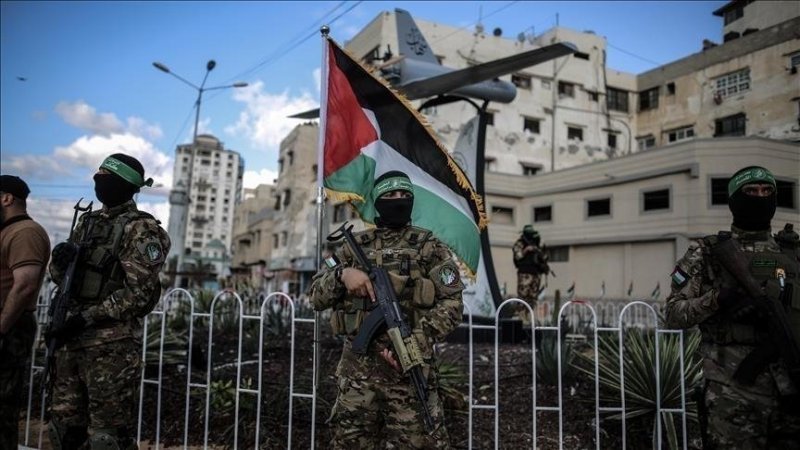
The Palestinian movement Hamas has announced that it is ready to return to indirect talks with Israel regarding a ceasefire in the Gaza Strip, News.Az reports citing the TASS.
"We confirm that we are ready to immediately return to indirect talks on Gaza in order to reach consensus on contentious issues," the statement said. At the same time, Hamas added that it considers "ensuring a permanent ceasefire in the enclave and the complete withdrawal of Israeli troops from there" a mandatory condition.
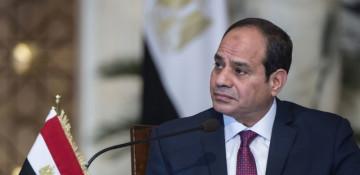
Earlier on Sunday, Egypt and Qatar issued a joint statement expressing hope for a quick agreement on a 60-day ceasefire in Gaza. Cairo and Doha also stressed that they were "working to resolve existing contentious issues" between the parties to reach an agreement based on the latest proposal by US special presidential envoy Steven Witkoff.
On May 29, the Israeli Ynet portal reported that Witkoff had put forward a new proposal for Gaza: it calls for an immediate 60-day ceasefire in the enclave and the release of the 10 surviving hostages in two stages during the first week. Hamas would also hand over the bodies of 18 dead hostages to Israel during the first week. In return, Israel would release Palestinian prisoners according to previously approved lists. In addition, the document calls for the resumption of humanitarian aid to Gaza through the UN and other international organizations. That same day, White House Press Secretary Caroline Leavitt said at a briefing that Israel had approved Witkoff's plan before handing it over to Hamas.
On May 31, the radicals handed over to the mediators their response to the proposal of the US President's special envoy: the movement "is ready to release 10 living Israeli hostages and hand over the bodies of 18 dead in exchange for the release from [Israeli] prisons of an agreed number of Palestinian prisoners." However, Hamas added, the movement's response also contains demands for "a permanent ceasefire in Gaza, the withdrawal of Israeli troops from the enclave and the entry of humanitarian aid there." Witkoff himself and the Israeli leadership regarded this response as a de facto rejection of the proposal.


Similar news