How economic uncertainty and AI transformation are reshaping the future of work


The global economy is entering one of the most unpredictable periods of the modern era. While technological innovation continues at unprecedented speed, labour markets across continents are struggling to keep pace, News.Az reports.
Automation, artificial intelligence, remote-work evolution, and shifting global supply chains are redefining what employment means — and raising tough questions about the future of work in an increasingly unstable world.
Economists warn that the combination of economic uncertainty and rapid technological transformation is creating a new type of labour environment: one where opportunities expand as traditional jobs disappear, where digital skills become essential, and where entire industries must reinvent themselves to remain competitive. The changes are structural, not temporary, and they affect both advanced and developing economies.
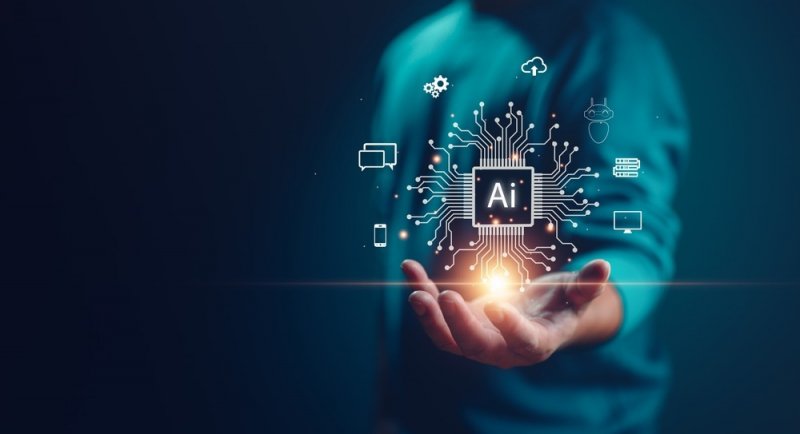
One of the biggest drivers of this transformation is artificial intelligence. In 2025, AI is no longer limited to routine automation or simple data processing; it now performs tasks that once required human judgment. Customer service, financial analysis, supply-chain management, legal research, content creation, medical diagnostics, and even software engineering are increasingly supported — or replaced — by AI systems that perform faster, cheaper, and with fewer errors.
This shift has triggered anxiety across global labour markets. Millions worry that their jobs may disappear, while companies insist that AI enhances productivity and opens new paths for innovation. The truth lies somewhere in the middle: AI is creating new opportunities, but it is also accelerating job displacement in fields unprepared for rapid digital adoption.
At the same time, remote work continues to evolve. The early-pandemic model of chaotic home offices has transformed into a hybrid system that many companies now consider permanent. Workplaces have become digital ecosystems where employees collaborate through cloud platforms, virtual reality rooms, and AI-supported project tools. While remote work expands flexibility and global hiring, it also intensifies competition: skilled professionals from different continents can now apply for the same job, driving companies to prioritise efficiency and tech-savvy talent.
This globalisation of the workforce has also changed employers' expectations. Companies increasingly value adaptability, problem-solving, communication skills, and digital literacy over traditional degrees. Certificates, short-term training, and upskilling programs are becoming more important than formal education. Industries that once required long academic pathways now recruit professionals who demonstrate practical, technology-driven expertise.
But with opportunity also comes inequality. While highly skilled workers benefit from new digital tools, millions of low- and middle-skilled employees face shrinking career prospects. Manufacturing jobs, clerical positions, administrative roles, and retail services are being automated at record speed. In many countries, this creates a widening economic divide: a digital elite that thrives and a vulnerable workforce that struggles to adapt.
Governments and employers are now under pressure to respond. Many countries are investing in national upskilling programs, offering citizens free or subsidised training in coding, AI tools, cybersecurity, renewable energy maintenance, and digital finance. Labour ministries highlight that tomorrow’s jobs will not be created in traditional sectors but in industries that integrate technology, sustainability, and high-value innovation.
Meanwhile, corporations are rethinking workplace models. The concept of “lifetime employment” has faded; flexible contracts, project-based cooperation, and gig-economy platforms have become mainstream. This offers more freedom but also less stability, as many workers lack long-term job security and social protections. The global gig economy — from ride-hailing drivers to freelance designers — now forms a critical segment of the modern labour market.
Economic uncertainty also reshapes global supply chains. Companies are moving production closer to home or diversifying suppliers to avoid disruptions. This creates new jobs in logistics, automation engineering, robotics maintenance, and regional manufacturing hubs. However, it also accelerates automation in large factories, reducing the need for human labour.
Another rising concern is the health impact of modern work. Psychological stress, burnout, and mental-health disorders are now recognised as economic problems, not just personal issues. Remote-work isolation, constant digital stimulation, and performance pressure contribute to declining well-being. Many organisations are introducing wellness programs, flexible schedules, and mandatory digital-detox policies to prevent productivity loss.
Looking ahead, experts believe the labour market will be shaped by three major forces:
-
AI expansion
-
Global mobility and remote hiring
-
Economic volatility driven by geopolitics and technology
Countries that invest in digital education, innovation ecosystems, and worker protection will navigate the transition more successfully. Those that resist change risk falling behind, losing competitiveness, and facing social instability.
Despite the challenges, the future of work also offers promise. New industries — from green energy to AI ethics, quantum computing, biotech, and smart infrastructure — are creating jobs that did not exist a decade ago. The global economy is shifting towards high-skill, high-impact professions that demand creativity, adaptability, and lifelong learning.
The question is no longer whether the future of work will change, but how societies will prepare for it. Economic uncertainty may be unavoidable, but with the right strategies, innovation can become a force that expands opportunity rather than limits it. The choices made today — by governments, companies, and individuals — will shape the next generation of jobs, productivity, and economic resilience for decades to come.


Similar news