How Italy’s tourist-entry rules are changing in 2025—and what travellers need to know


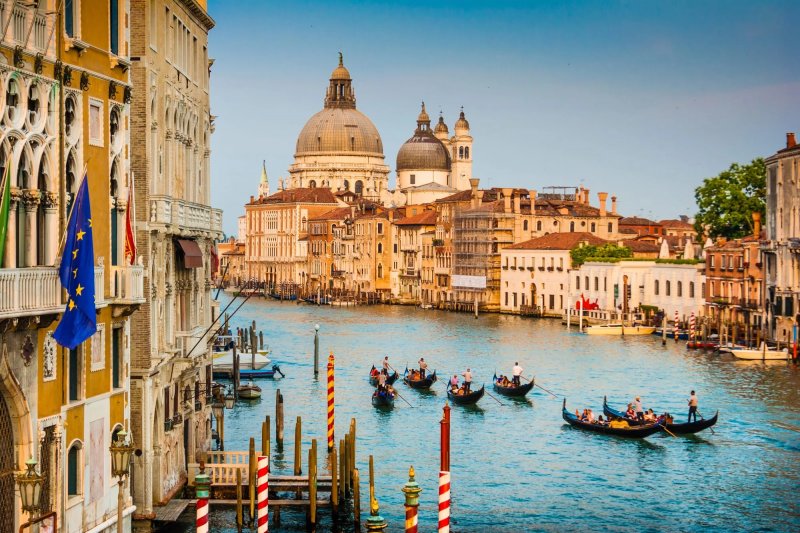
Italy continues to refine its tourist entry and visa-process framework to keep up with evolving European Union border policies, digitalisation trends and the demands of high-volume tourism, News.Az reports.
For visitors planning travel in the coming months, several key updates are now in effect or upcoming.
First, from 12 October 2025, the EU’s new automated border system known as the Entry/Exit System (EES) began rollout in Italy (as part of the Schengen external-border regime). Under EES, non-EU travellers entering Italy (and the wider Schengen area) for stays of up to 90 days may be required to register biometric data (such as fingerprint or facial image) in lieu of the traditional passport stamp.
Second, for travellers from countries that currently do not require a visa (short-stay up to 90 days within 180 days), European Travel Information and Authorisation System (ETIAS) is slated to come into effect in the last quarter of 2026. Under ETIAS, such visitors will need to apply online in advance, pay a fee and receive approval before travel.
Third, for those who do require a visa for Italy (tourism visits longer than the visa-free period or nationals of visa-requiring countries), applicants should note updated document lists and biometric requirements. For example, some visa-application centres have announced that additional documents may not be accepted unless formally requested by the consulate, and that biometric capture is being enforced more strictly.
Finally, travel specialists emphasise practical implications: passports must still meet standard Schengen criteria (valid for at least 3 months beyond departure, have two blank pages, etc). Travel insurance remains mandatory when applying for short-stay visas.
What you should do if you plan a trip to Italy:
- Check whether your nationality requires a visa, and if so, submit the application early (especially during high-season months).
- Be prepared for biometric registration at the border (due to EES) and allow extra time for arrival-procedures.
- For visa-free travellers, keep an eye on the ETIAS timeline: although it is not yet active, it will affect planning for future travel.
- Ensure your passport and travel-insurance documents comply with the updated requirements.
- Monitor the specific visa application centre’s announcements (they may limit document submission times or adjust opening hours).
Overall, Italy’s tourist-entry regime remains open and welcoming—but is also evolving in line with European border security and digital-processing trends. Staying informed and adjusting travel planning accordingly will help avoid unexpected delays or complications.


Similar news