Hidden legacy of Polish architects in Baku’s cityscape - PHOTO


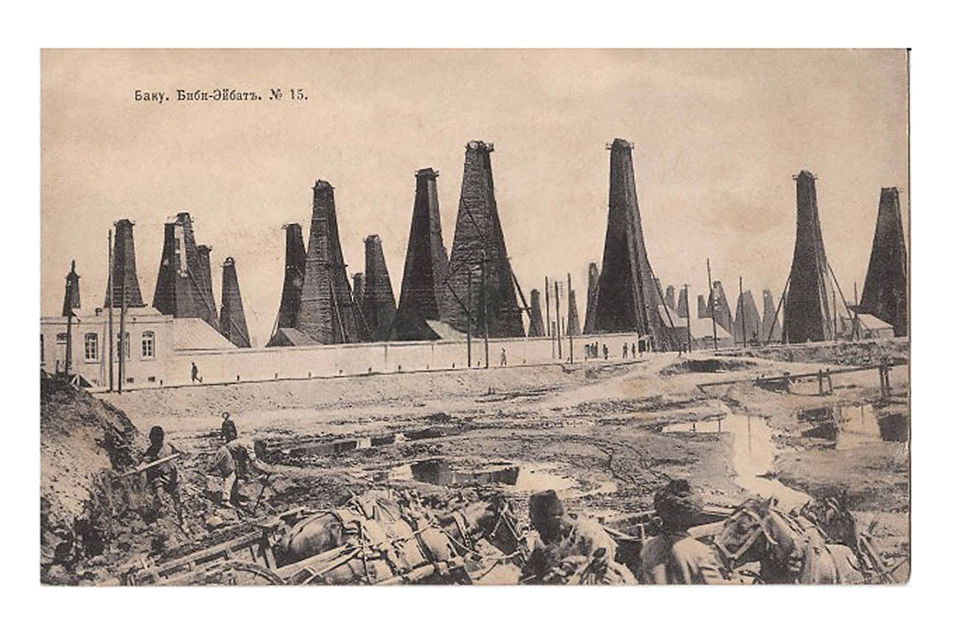
The late nineteenth and early twentieth centuries marked a defining turning point in the history of Baku. Driven by the rapid expansion of the oil industry, the city evolved within a short period from a modest regional centre into a major industrial and commercial hub of international importance.
This transformation brought not only economic growth but also profound changes in urban planning and architectural design.
RECOMMENDED STORIES
During this period, Baku attracted engineers and architects from across Europe, with a particularly strong presence of specialists from Poland. Their contribution extended far beyond the construction of individual buildings. Polish professionals played a central role in shaping the city’s urban layout, influencing architectural styles and helping align Baku’s visual character with contemporary European standards.
A key feature introduced by Polish architects was the blending of European classical traditions with elements of Eastern architecture. This synthesis produced a distinctive urban landscape. Rather than conforming entirely to either European or Eastern models, Baku developed a unique architectural identity that reflected both influences, giving the city its characteristic hybrid appearance.
Józef Gosławski – the architect who shaped Baku’s urban vision
Polish architect Józef Gosławski is widely regarded as one of the most influential figures in the architectural history of Baku. In 1892, he was appointed as the city’s chief architect, a role that would prove निर्णci in defining the trajectory of Baku’s urban development.
Gosławski’s tenure coincided with the most rapid phase of urbanisation in Baku. As the city expanded, there was an urgent need for new administrative buildings, residential complexes and public institutions. He responded to this demand not only from a functional perspective but also through a structured approach grounded in aesthetics and urban planning principles.

Photo: Building of the Baku City Executive Power
One of his most notable projects is the Baku City Duma building. More than just an administrative structure, it became a symbol of the city’s architectural identity. Built in a classical European style, the building stands out for its monumental façade, symmetrical composition and rich decorative elements.
Another significant project is the palace of Haji Zeynalabdin Taghiyev. Designed in the style of European aristocratic residences, the building reflects the refined tastes of Baku’s wealthy industrial elite. Its richly decorated interiors and use of high-quality materials illustrate the economic prosperity of the period.
Gosławski also designed the building of a girls’ school, which played an important role in advancing women’s education in Baku and contributed to the city’s broader social development.
His architectural philosophy extended beyond visual appeal. It was rooted in functionality and coherence with the broader urban environment. He carefully integrated buildings into the city’s overall layout, taking into account street perspectives and visual continuity. This systematic approach laid the foundations for modern urban planning in Baku.
Józef Płoszko – the architect who brought European romanticism to Baku
Józef Płoszko was one of the most creative and prolific architects to work in Baku. He arrived in the city at the invitation of Józef Gosławski and quickly emerged as a leading figure within the architectural landscape.
A defining feature of Płoszko’s work was his masterful application of various European architectural styles. His projects clearly reflect elements of Neo Gothic, Neo Renaissance and Romanticism, which he skillfully adapted to the local context.

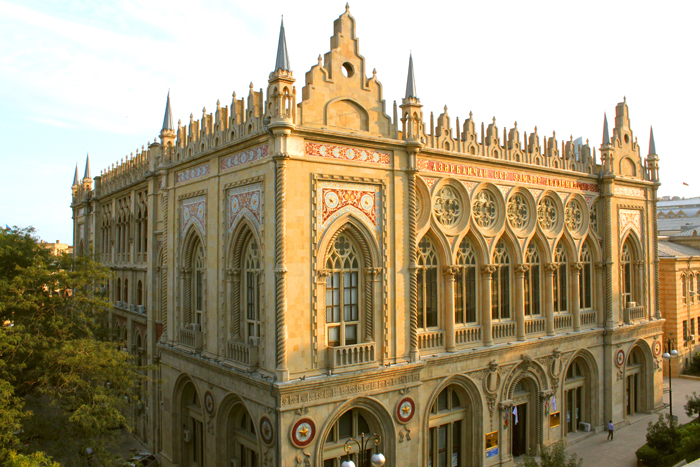
One of his most renowned works is the Ismailiyya Palace. Inspired by Venetian Gothic architecture, the building is considered one of the most elegant structures in Baku. Its façade, adorned with intricate patterns, columns and arches, enhances its refined aesthetic character.
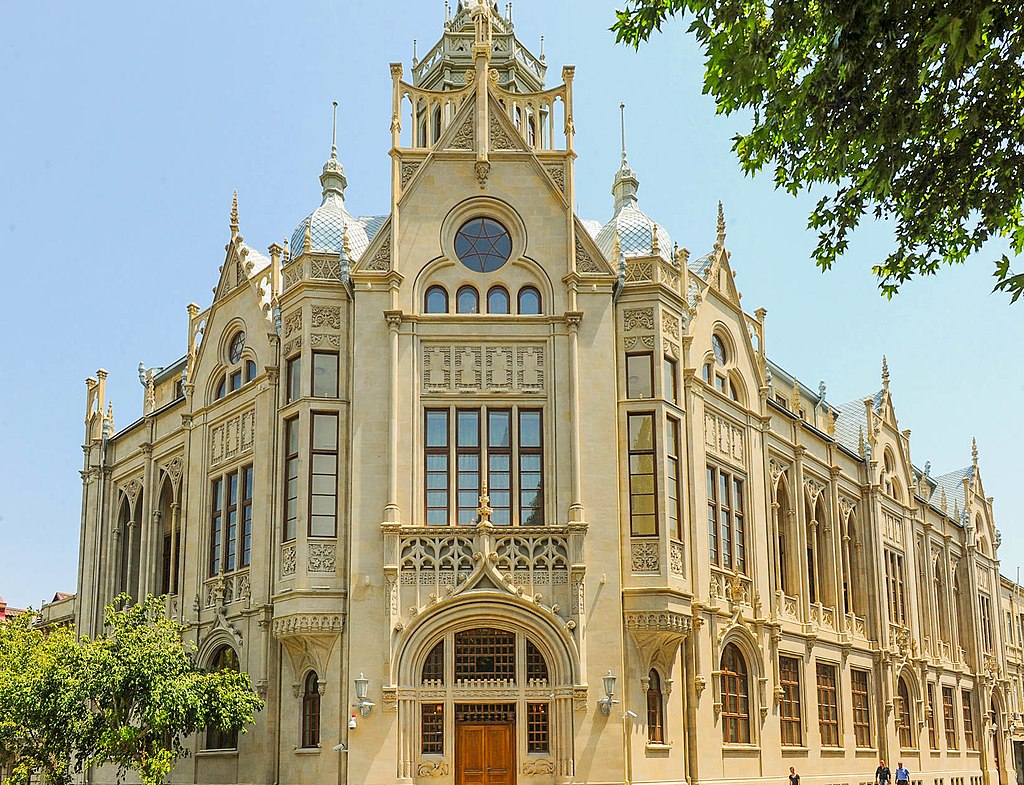
Another significant project is the Palace of Happiness. This building represents one of the finest examples of European aristocratic architecture and stands as a vivid expression of romantic style in Baku. Themes of love and beauty are deeply embedded in its architectural design.
Płoszko also designed a Catholic church, an important example of religious architecture that reflected Baku’s multicultural environment.
Through his work, Baku evolved not only as an industrial centre but also as a city of aesthetic and cultural significance.
Kazimierz Skórewicz – the engineer who ensured architectural continuity
Kazimierz Skórewicz played a crucial role in continuing the projects initiated by Józef Gosławski following his death.
He was particularly involved in the completion of the Baku City Duma building, successfully finalising the project while remaining faithful to its original concept. This was especially important in terms of architectural continuity, as it ensured the preservation of the building’s aesthetic integrity.
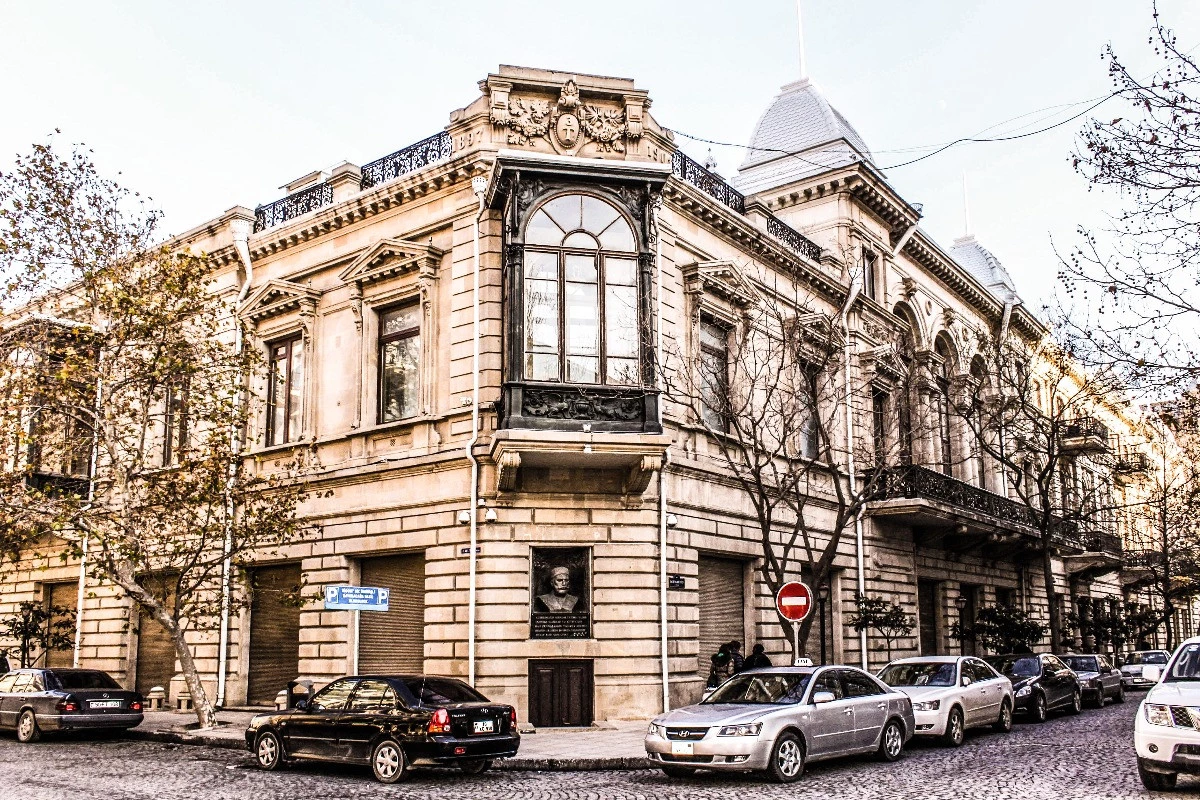
Skórewicz’s contribution was not limited to individual structures. He also took part in the broader urban planning process, helping to guide Baku’s development in a structured and systematic manner. He paid close attention to issues such as street layout, building heights and overall urban balance.
This approach enabled Baku to grow in an organised way rather than developing in a chaotic and unplanned manner.
Eugeniusz Skibiński – the architect who shaped residential architecture in Baku
Eugeniusz Skibiński was one of the most prolific architects working in Baku, responsible for designing a large number of buildings across the city.
His work was primarily focused on residential architecture, a field that had a direct impact on everyday urban life. The buildings designed by Skibiński stood out for their high standards in both aesthetics and functionality, reflecting a careful balance between visual appeal and practical use.
One of his most notable projects is the house of Agha Bala Guliyev. This building has preserved its architectural beauty to this day and is considered an important part of Baku’s historical heritage.
Skibiński combined local architectural elements with European styles, creating a new direction in urban design. This approach contributed significantly to enriching Baku’s architectural identity and added further depth to its evolving cityscape.
By Faig Mahmudov


Similar news