How the global infant formula recall could cost Nestlé SFr1.2bn


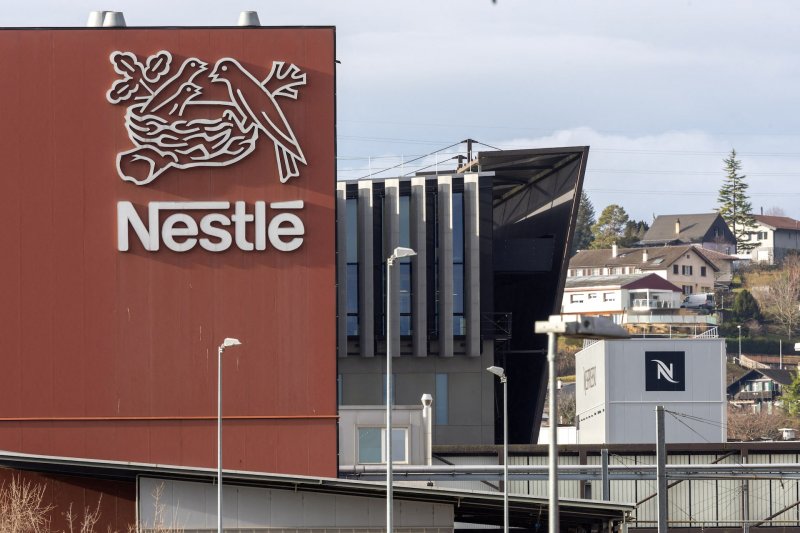
Nestlé has launched a large-scale global recall of selected infant and follow-on formula products after identifying a potential safety risk linked to a specific ingredient used in production, News.Az reports.
While the company says no confirmed illnesses have been reported, the breadth of the recall and the extreme sensitivity of infant nutrition have placed both financial performance and brand trust under pressure. Market estimates suggest the disruption could cost Nestlé up to 1.2 billion Swiss francs in lost sales, largely driven by product withdrawals, temporary shortages, and consumers switching to alternative brands.
Below is a detailed FAQ-style explainer outlining what is known, why the recall matters, and what it could mean for families and for Nestlé’s business outlook.
What products are being recalled
Nestlé’s recall covers specific batches of infant formula and follow-on formula sold under several of its major infant nutrition brands. The recall is batch-specific and does not apply to all products or all production runs. Parents and caregivers are being advised to carefully check batch codes on packaging and consult country-specific recall notices to determine whether a product is affected.
Brands mentioned across different markets include SMA, NAN, BEBA, Alfamino, and related lines, depending on the region. The company has emphasized that unaffected batches remain safe to use.
Why the recall was initiated
The recall was triggered by the detection of a potential contamination risk linked to cereulide, a toxin associated with certain strains of the bacterium Bacillus cereus. The issue was traced to a non-compliant ingredient supplied by an external supplier, specifically involving arachidonic acid oil and related oil blends used in infant formula production.
Cereulide contamination in edible oils is considered extremely rare, but the presence of any potential toxin in infant nutrition products automatically triggers precautionary measures. Nestlé initiated extensive testing of all potentially affected ingredients and products once the issue was identified.
Health impact and reported illnesses
According to Nestlé, no confirmed cases of illness linked to the recalled products have been reported to date. Authorities and the company stress that the recall is precautionary in nature, reflecting the low risk tolerance applied to infant food products rather than evidence of widespread harm.
Nevertheless, food safety regulators consistently advise acting early in such cases, as infants are among the most vulnerable consumer groups.
Symptoms parents should be aware of
Nestlé and food safety authorities advise parents to watch for symptoms such as repeated vomiting, diarrhea, abdominal discomfort, or unusual lethargy. These symptoms, if they were to occur, would typically appear within a few hours of consumption.
Parents are advised to seek medical advice if they have concerns, even though the company states that products not listed in recall notices pose no known health risk.
Geographic scope of the recall
What began as a Europe-focused recall expanded rapidly to include markets across Africa, the Americas, Asia, and Oceania. Health warnings or recall notices have been issued in dozens of countries, underlining the global nature of Nestlé’s infant nutrition supply chain.
This wide geographic spread is a major reason analysts are focusing on the potential for a multi-billion-franc sales impact rather than a limited, local disruption.
Supplier versus factory responsibility
Based on company statements, the root of the issue lies upstream in the ingredient supply chain rather than in Nestlé’s finished-product manufacturing processes alone. While the potential risk was first identified at a specific production site, the affected ingredient had been distributed to multiple factories.
Nestlé has stated that it is conducting a full root-cause analysis in cooperation with the supplier to understand how the ingredient failed to meet specifications and how controls can be strengthened.
Why cereulide is a serious concern in infant formula
Cereulide is particularly concerning because it is heat-stable, meaning it is not destroyed by boiling water or standard formula preparation methods. This makes it different from many other foodborne hazards that can be mitigated through cooking.
In infant nutrition, where products are consumed daily and often exclusively, even a low-probability risk is treated as unacceptable by regulators and manufacturers alike.
Understanding the reported SFr1.2bn impact
The estimated 1.2 billion Swiss franc hit refers primarily to lost sales rather than fines or direct recall expenses. These losses may include unsold inventory, refunds, destroyed stock, delayed shipments, and reduced demand as parents temporarily switch to competing brands.
Direct recall costs, such as logistics, testing, and disposal, are expected to be manageable for a company of Nestlé’s size. The larger concern lies in revenue disruption and the longer-term effect on consumer confidence in a premium category built on trust.
How significant this is for Nestlé overall
Nestlé is the world’s largest food company, so even a billion-franc disruption represents a relatively small share of group-wide revenue. However, infant nutrition is part of the company’s health and nutrition portfolio, which is strategically important and closely scrutinized by investors.
Infant formula is also a category where brand loyalty and perceived safety are critical. Any erosion of trust can have longer-lasting effects than in more discretionary food segments.
Steps Nestlé is taking to stabilize supply
Nestlé has said it is moving quickly to secure alternative suppliers for the affected ingredient, increase production at other facilities, and accelerate the release of unaffected products to retailers. The goal is to minimize shortages while maintaining strict quality controls.
The company has also expanded testing protocols and is reviewing supplier qualification procedures to prevent a recurrence.
What parents and caregivers should do
Parents are advised to check product batch codes and follow recall instructions provided by Nestlé or national food safety authorities. Affected products should not be used and should be returned or disposed of according to local guidance.
If a product is not listed as part of the recall and the child shows no symptoms, the company says there is no cause for concern. Parents with questions or worries are encouraged to consult healthcare professionals.
Why infant formula recalls carry outsized reputational risk
Infant formula occupies a unique position in the food industry. It is consumed by a highly vulnerable population, often daily, and is subject to intense regulatory oversight. Even precautionary recalls can lead to lasting reputational damage if consumers perceive systemic quality weaknesses.
For Nestlé, the recall comes at a time when leadership, growth strategy, and execution in health-focused categories are under close market scrutiny, amplifying investor sensitivity to any quality-related setback.
What to watch going forward
Key developments to monitor include confirmation of the precise root cause, whether the recall scope expands further or stabilizes, how regulators respond in individual markets, and how quickly supply normalizes.
Equally important will be Nestlé’s ability to restore consumer confidence through transparency, corrective action, and consistent communication. The speed and credibility of that recovery will largely determine whether the financial impact remains a one-off disruption or evolves into a longer-term challenge for the company’s infant nutrition business.
If you wish, I can rewrite this explainer into a tighter breaking-news format, or expand it into a deeper business and regulatory analysis comparing how different regions handle infant formula recalls.


Similar news