How might Trump combat the spike in oil prices?


U.S. President Donald Trump is expected to review as early as Monday a set of options to tame oil prices, which have soared to the highest level since 2022 because of the expanding U.S.-Israel war with Iran.
It is uncertain how much of an impact U.S. policy changes could have on oil prices, and some options could trigger domestic and international opposition, News.az reports.
The stakes are high. Soaring energy prices have sent stock markets lower, threatened broad economic damage and are a risk for Trump’s fellow Republicans in this year’s midterm elections as voters tell pollsters that the cost of living is a top concern.
SALES FROM STRATEGIC OIL RESERVES
Trump can order a sale of oil from the U.S. Strategic Petroleum Reserve and coordinate with allies and partners on a global release. This would be aimed at lowering prices by increasing supply.
The U.S. SPR currently holds more than 415 million barrels, which are more than four days of global oil consumption. The SPR stands at its lowest level since the mid-1980s after Trump’s predecessor, former President Joe Biden, sold more than 200 million barrels in 2022 when Russia invaded Ukraine.
International Energy Agency head Fatih Birol told G7 finance ministers on Monday that IEA members hold more than 1.2 billion barrels of public emergency oil stocks and a further 600 million barrels of industry stocks are under government obligation. The IEA called for a coordinated release of oil, and G7 countries agreed to closely monitor developments in the energy markets.
INSURANCE FOR TANKERS IN STRAIT OF HORMUZ
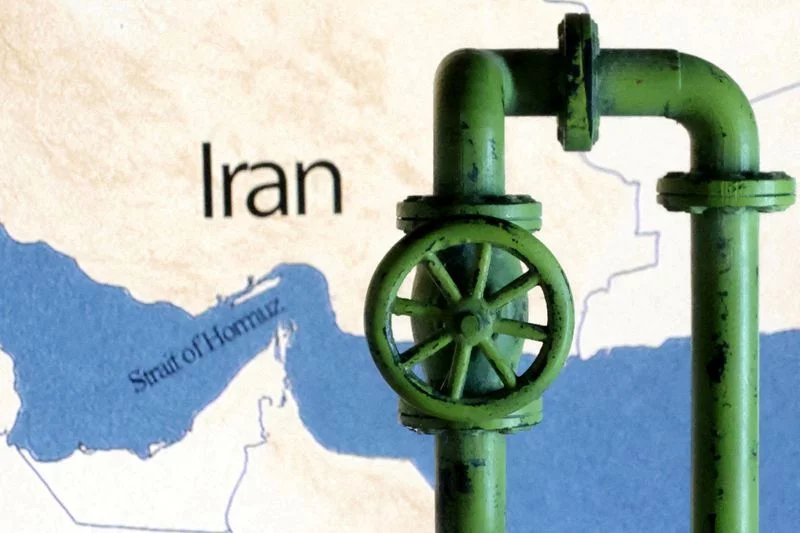
About 20% of the world’s daily oil use transits through the Strait of Hormuz off Iran. The conflict has prompted marine insurers to cancel war risk coverage, halting most tanker traffic.
The U.S. said on Friday it will offer up to $20 billion in reinsurance for tankers that have dropped anchor in the narrow waterway. But analysts say the plan has limited scope to fix the problem.
JPMorgan Chase analysts said that the insurance program is far too small, estimating the need at about $352 billion, though the administration has said the analysis is flawed.
Moreover, analysts say ship owners are more focused on the actual security risks. Shipping industry officials have said they do not expect a large-scale resumption of oil flow in the strait until the war ends.
TAX HOLIDAY
The U.S. government imposes taxes of 18.4 cents per gallon on gasoline and even more for diesel, so waiving the federal tax could reduce pump prices some. If the full amount were suspended, the savings would be a little over 5% based on a national average retail price of gasoline of $3.48.
But that move would also cut funding to the Federal Highway Trust Fund which pays for highway maintenance and mass transit.
WAIVE RULES ON FUELS
The U.S. could temporarily waive pollution rules on fuels, which add to the cost of producing gasoline. If refiners pass along the savings, pump prices could fall.
A U.S. Energy Information Administration analysis in 2024 suggested refinery constraints tied to producing summer gas could move retail prices around 10 cents a gallon under tight market conditions.
Waiving the pollution rules could, however, raise ire among communities concerned about the health effects of gas formulations that cause more pollution.
EXPORT RESTRICTIONS
The White House could impose a ban or limitations on U.S. exports of crude oil and fuels like gasoline in an attempt to reduce prices for domestic consumers.
Such a move has been opposed by top energy industry groups in times of energy crunches, such as after Russia’s invasion of Ukraine in 2022, and Biden did not impose the restrictions.
It is also unclear if such a move would help. While the U.S. is the world’s largest oil producer and a net exporter, many U.S. refiners are not equipped to process U.S. crude grades - meaning they would still need to import from abroad.
WAIVE SANCTIONS ON MORE RUSSIAN OIL
U.S. Treasury Secretary Scott Bessent said on Friday the U.S. could ease more Ukraine-related sanctions on Russian oil to help increase global supplies.
His comment came a day after Washington issued a 30-day waiver allowing India to buy Russian crude currently stranded at sea. Doing so long-term could trigger criticism that it would help Russia’s fight against Ukraine.
The Trump administration could temporarily waive the Jones Act, a law requiring that cargo moved between domestic ports be carried on U.S.-made tankers using union labor.
Waiving the law could give companies more flexibility in transporting oil to U.S. coastal refineries, including allowing them to contract cheaper ships that don’t employ union labor.
But the more than 100-year-old law has broad union support across the country, which could make the move politically sensitive.
FUTURES MARKET
The U.S. has weighed trying to control prices through financial markets such as oil futures, a White House official said last week. Details were scant on how that would work.
By Faig Mahmudov


Similar news