This narrow maritime passage is one of the most important energy arteries in the world and any disruption could reshape global energy markets, trade, geopolitics and everyday life for billions of people.
RECOMMENDED STORIES
Below is a comprehensive FAQ style explainer examining the possible consequences if Iran blocks oil exports while the war continues.
Why is Iran’s oil export route so important to the world?
Iran sits next to the Strait of Hormuz, one of the most strategically significant chokepoints in the global energy system. Roughly one fifth of the world’s oil and a large share of liquefied natural gas passes through this narrow waterway every day.
Oil tankers from Saudi Arabia, the United Arab Emirates, Kuwait, Iraq and Qatar travel through the strait to reach global markets in Europe, Asia and the Americas. If Iran blocks this route, a large portion of global oil supply would be suddenly disrupted.
Even the threat of disruption is enough to send energy markets into turmoil because oil markets are highly sensitive to geopolitical shocks.
During the current war, fears of disruptions have already caused oil prices to surge and forced several countries and companies to halt operations in the region.
Can Iran actually block oil exports?
Iran has several military capabilities that could potentially disrupt shipping.
These include naval mines, anti ship missiles, fast attack boats, submarines and drones. Iran could deploy mines across the shipping lanes or threaten tankers with missile strikes.
The country could also use proxy groups or unconventional tactics to create insecurity for commercial shipping.
However, a complete blockade would be extremely difficult to sustain because the United States and its allies maintain powerful naval forces in the region. If Iran attempted a full closure, it would likely trigger a major military response.
For this reason, analysts often believe Iran would more likely disrupt shipping intermittently rather than permanently closing the route.
How much oil could disappear from the global market?
If Iran blocked oil exports through the Strait of Hormuz, the disruption could remove more than 17 to 20 million barrels of oil per day from global supply.
To understand how significant this is, consider that the world consumes roughly 100 million barrels of oil per day.
Removing one fifth of global supply would be one of the largest energy shocks in modern history.
Even a partial disruption could push prices sharply higher and trigger severe economic consequences.
How high could oil prices rise?
In a blockade scenario, oil prices could rise dramatically.
Some analysts estimate that crude oil prices could exceed 150 dollars per barrel if supplies are severely disrupted and the war continues.
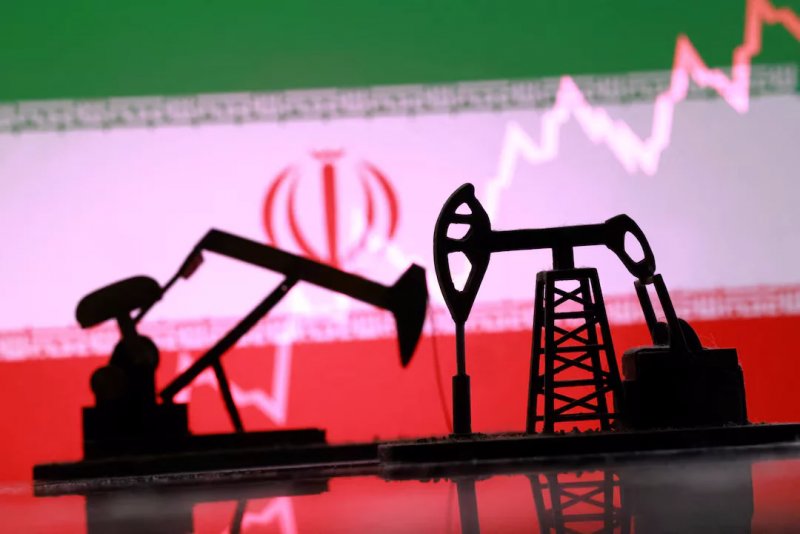
During the current conflict, oil prices have already surged toward 100 dollars per barrel due to fears of supply disruptions.
If exports stopped entirely, markets could experience panic buying, speculation and shortages that push prices even higher.
Such a price spike would have ripple effects across the entire global economy.
Why would energy prices surge worldwide?
Oil is a global commodity. Even if one region experiences a supply shock, prices tend to rise everywhere.
When supply falls but demand remains constant, markets respond by raising prices until supply and demand balance again.
If Gulf oil exports suddenly drop, buyers in Asia, Europe and North America would compete aggressively for alternative supplies.
This competition drives prices upward across global markets.
Additionally, shipping routes would become longer and more expensive, further increasing costs.
What would happen to gasoline prices?
Higher oil prices translate directly into higher fuel costs.
Petrol and diesel prices at the pump would likely rise sharply around the world.
For many countries, fuel prices influence transportation, electricity generation and food production.
As fuel costs rise, everything from airline tickets to grocery prices becomes more expensive.
Consumers would quickly feel the impact through rising living costs.
Could the global economy enter recession?
Yes, a major oil shock could trigger a global recession.
History shows that large oil price spikes often coincide with economic downturns.
For example, the oil crises of the 1970s caused severe inflation and economic slowdown across many countries.
If oil prices surged dramatically today, businesses would face higher energy costs, transportation costs and manufacturing expenses.
Companies might cut investment, reduce production or lay off workers.
This chain reaction could push many economies into recession.
Which countries would be hit hardest?
Countries that rely heavily on imported oil would suffer the most.
Major importers include China, India, Japan, South Korea and many European countries.
These economies depend heavily on energy imports to power industry, transportation and electricity generation.
A sudden supply shock could force them to pay significantly higher prices for energy.
China in particular depends heavily on oil shipments passing through the Strait of Hormuz.
Which countries might benefit from higher oil prices?
Some oil producing nations could benefit financially.
Countries such as the United States, Canada, Brazil and Norway might see increased revenues from higher oil prices.
However, even oil exporters could face challenges if global economic activity slows.
In addition, geopolitical instability could disrupt production and trade across multiple regions.
Therefore, the benefits would likely be temporary and uncertain.
What would happen to natural gas supplies?
The Strait of Hormuz is not only vital for oil.
It is also a key route for liquefied natural gas shipments, particularly from Qatar.
If the strait were blocked, a significant portion of global LNG exports could be disrupted.
Natural gas is used to generate electricity, heat homes and power industries.
Shortages could lead to electricity price spikes and energy rationing in some countries.
Could food prices rise as well?
Yes.
Energy prices affect food production in several ways.
Farmers rely on fuel for tractors, irrigation and transportation. Fertilizers are also produced using natural gas.
If energy prices increase sharply, food production becomes more expensive.
Higher costs would eventually reach supermarkets and consumers.
In extreme cases, this could lead to food shortages or social unrest in vulnerable regions.
How would shipping and global trade be affected?
The Strait of Hormuz is not only an oil route but also an important maritime corridor.
A blockade would disrupt international shipping and force vessels to take longer alternative routes.
Insurance costs for shipping companies would rise dramatically because of the risk of attacks or mines.
Shipping delays could disrupt supply chains for everything from electronics to raw materials.
The global trade system could experience significant slowdowns.
Could the war expand beyond the Middle East?
An Iranian blockade could dramatically escalate the conflict.
The United States and its allies consider freedom of navigation through the Strait of Hormuz a critical strategic priority.
If Iran attempted to block the route, a multinational military response would likely be launched to reopen the shipping lanes.
This could lead to direct naval clashes, air strikes and potentially a broader regional war.
What military responses might occur?
Possible responses could include naval escorts for oil tankers, mine clearing operations, air strikes against Iranian naval bases and cyber attacks against military infrastructure.
The United States maintains a strong naval presence in the Persian Gulf specifically to deter attempts to block the strait.
If a blockade occurred, military operations would likely begin quickly.
Could strategic oil reserves stabilize markets?
Many countries maintain strategic petroleum reserves to handle supply disruptions.
For example, the United States and other major economies can release emergency oil stocks during crises.
These reserves could help stabilize markets temporarily by increasing supply.
However, reserves are limited and cannot replace long term supply losses from a major export route.
They would buy time but not fully solve the problem.
Could alternative pipelines bypass the strait?
Some Gulf countries have built pipelines that bypass the Strait of Hormuz.
For example, the United Arab Emirates and Saudi Arabia operate pipelines that transport oil directly to ports outside the strait.
However, these pipelines cannot fully replace the massive volume of oil normally shipped through Hormuz.
Even with alternative routes, global supply would still fall significantly.
How would financial markets react?
Financial markets tend to react strongly to geopolitical crises.
If Iran blocked oil exports, investors would likely shift toward safe haven assets such as gold and government bonds.
Stock markets could fall sharply, particularly in sectors dependent on energy or global trade.
Energy companies might initially see gains due to higher prices, but prolonged instability could eventually harm the entire market.
What would happen to inflation worldwide?
Energy prices play a major role in inflation.
If oil prices surged dramatically, inflation would rise in many countries.
Central banks might be forced to raise interest rates to control inflation.
Higher interest rates can slow economic growth and increase borrowing costs for businesses and households.
This combination of inflation and economic slowdown is known as stagflation.
Could Iran sustain such a blockade economically?
Blocking oil exports would also hurt Iran itself.
Iran’s economy relies heavily on oil revenue, which makes up a large share of government income.
If the strait were closed, Iran would also struggle to export its own oil.
This could cause severe economic problems inside the country.
For this reason, some analysts believe Iran would use the threat of a blockade as leverage rather than sustaining a long term closure.
Could diplomacy still prevent a crisis?
Yes.
Diplomatic negotiations often play a critical role during geopolitical crises.
International pressure from major powers such as China, the European Union and Gulf states could push both sides toward negotiations.
Countries dependent on Gulf energy exports would likely try to prevent a prolonged disruption.
Diplomatic mediation might eventually reopen shipping routes or reduce hostilities.
What is the most likely scenario if tensions continue?
Experts generally believe that a complete and permanent blockade is unlikely because it would provoke overwhelming international military response.
However, temporary disruptions, attacks on tankers or limited closures are far more plausible.
These types of disruptions can still drive oil prices higher and create instability in global markets.
Even short disruptions can trigger major economic consequences.
Why is the Strait of Hormuz considered one of the world’s most dangerous geopolitical chokepoints?
The strait is extremely narrow and shipping lanes are tightly concentrated.
Because of this geography, the route is highly vulnerable to mines, missile strikes or naval confrontations.
Any conflict in the region can quickly disrupt traffic through the strait.
This vulnerability is why tensions involving Iran often cause global energy market volatility.
Could the current war trigger a long term energy shift?
Yes.
A major disruption could accelerate the transition toward alternative energy sources.
Countries may increase investments in renewable energy, nuclear power and energy efficiency.
Governments might also seek to diversify supply sources and reduce dependence on Middle Eastern oil.
Over time, such shifts could reshape global energy geopolitics.
The bottom line
If Iran blocks oil exports during the ongoing war, the consequences could be enormous.
Oil prices could surge to record levels.
Global energy markets could experience severe shortages.
Inflation could rise sharply worldwide.
Supply chains and trade could be disrupted.
The conflict could escalate into a wider regional war.
Even the threat of such a scenario is enough to shake financial markets and energy prices.
For this reason, the possibility of an Iranian blockade remains one of the most closely watched risks in the current Middle East conflict.