How to boil everyday foods: simple kitchen skills everyone searches


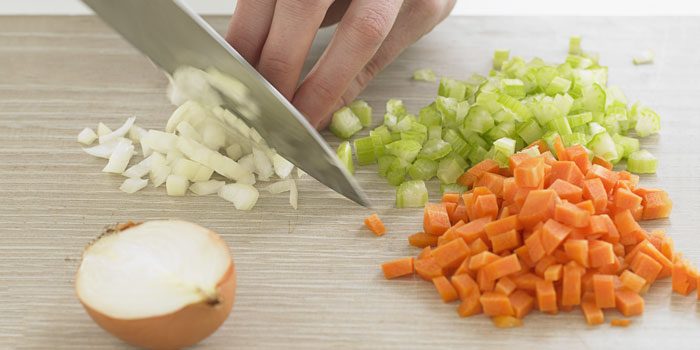
How to boil or cook common foods is one of the most searched “how-to” themes on the internet, and it has been for years, News.Az reports.
. Millions of people type questions such as “how long to boil eggs,” “how to cook rice,” or “how to boil pasta” every single day. On the surface, these seem like simple kitchen tasks. Yet the constant search traffic shows that cooking basics are not as straightforward as they might appear — especially in a world where home cooking skills vary widely and recipes often assume prior knowledge.
The rise of these queries reflects major changes in lifestyle, education, and culture. In previous generations, many people learned cooking skills at home through daily practice. Today, families are busier, convenience food is common, and global cuisines have expanded dramatically. Young adults leaving home for the first time, students living alone, or professionals trying to eat healthier often discover that they are unsure about the fundamentals: how much water to use, when food is fully cooked, or how to avoid undercooking or overcooking.
Boiling, in particular, remains a foundation of kitchen technique. It is one of the first heat methods people learn, and it is central to preparing staples such as eggs, rice, potatoes, pasta, beans, and vegetables. Even so, boiling is more nuanced than simply “putting food in hot water.” Timing, temperature control, salting, and resting time all affect the final result. That is why people continue to search for precise answers — especially when the outcome matters for texture, taste, and food safety.
Eggs are perhaps the clearest example. “How long to boil eggs” is among the most searched food questions globally. The difficulty comes from the fact that small changes — egg size, water temperature, and cooking time — produce dramatically different results. Some people want a soft-boiled center for breakfast. Others prefer fully cooked yolks for salads or snacks. There is no universal standard, so users look up exact timings at the moment they need them, often while standing in the kitchen with a pot already heating on the stove.
Rice is another classic topic. For such a common food, it generates a surprisingly high volume of “how to cook” searches. That is because rice varieties differ, as do stoves, cookware, and techniques. Some cultures rinse rice, others do not. Some recommend the absorption method, others suggest boiling and draining. For beginners, the possibility of burnt, soggy, or undercooked rice is real. Turning to the internet offers reassurance — and a backup plan if the first attempt fails.
The same applies to pasta, potatoes, noodles, and vegetables. Questions such as “how to boil pasta without sticking,” “how long to boil potatoes,” or “how to steam vegetables properly” come from people trying to achieve consistent results. Timing varies depending on cut size, altitude, and preference, which makes it hard to memorize. Search engines serve as a dynamic recipe card, always available for instant consultation.
One reason these searches remain evergreen is the simplicity of the foods involved. Eggs, rice, pasta, and vegetables are universal. They appear in almost every cuisine, household budget, and dietary preference. Whether someone is cooking for the first time or simply wants a reminder, the search bar is the easiest way to confirm details.
Another factor is that “simple cooking” is closely tied to health and financial independence. As more people try to reduce takeaway meals, manage budgets, or eat more whole foods, basic cooking skills become critical. But without formal training, many home cooks lack confidence. Searching for step-by-step instructions makes the learning process more comfortable, private, and flexible. It also prevents waste. If someone spends their limited budget on groceries, they want to make sure the food turns out well.
Cultural diversity further drives interest in cooking basics. Dishes from around the world are now common in home kitchens. Ingredients such as lentils, quinoa, dumplings, or plantains might be new to some cooks. When people encounter them for the first time, they begin with the most fundamental question: how do I cook this? The internet provides entry-level guidance that helps make unfamiliar foods approachable.
There is also a generational dynamic at work. Younger audiences often rely on digital instructions rather than printed cookbooks. Cooking channels, blogs, and short-form videos have created entire communities around step-by-step learning. Yet even with all that content, the core “how long do I boil this?” question refuses to disappear. It remains the foundation upon which culinary skills are built.
From a safety perspective, these searches also matter. Undercooked foods may pose health risks, while overcooking can damage taste and nutritional value. Basic knowledge — ensuring food reaches safe internal temperatures, allowing adequate cooking time, and handling ingredients properly — supports well-being. This is another reason why beginners turn to search engines before experimenting.
Technology plays a surprising role in making even familiar processes feel new again. Modern kitchens often include induction cooktops, smart ovens, pressure cookers, or air fryers. Each device changes how heat is applied and how quickly food cooks. Someone who once knew how to boil potatoes on a gas stove may search again after switching appliances. Timing charts and methods evolve alongside equipment.
Another important aspect is the emotional connection to food. Cooking is not only about nourishment. It relates to identity, memory, and care. People may search for how to cook a specific dish because it reminds them of home, family, or tradition. Being able to prepare it correctly brings comfort and pride. In this way, even the simplest boiling instructions can carry personal meaning.
The global pandemic years also strengthened interest in cooking basics. With restaurants restricted at times and people spending more time at home, millions rediscovered cooking. First-time cooks looked for guidance online. Experienced cooks deepened their skills. The habit of searching for instructions has persisted, turning the internet into a universal kitchen companion.
However, the ongoing popularity of “how to boil or cook common foods” also reveals gaps in food education. Many schools no longer teach cooking as a core life skill. Families with busy schedules may rely more on ready-made meals. As a result, fundamental techniques that were once passed down informally now migrate to digital platforms. The internet has effectively become a shared recipe library for humanity.
From a practical perspective, the most reliable guidance for boiling and cooking common foods emphasizes patience, accuracy, and safety. Using clean utensils, washing hands, monitoring heat, and avoiding unattended cooking are crucial basics. Recipes often suggest tasting or testing for doneness rather than relying purely on time. Cooking, even at its simplest, remains a balance between science and intuition.
The evergreen nature of this search category means that content creators, educators, and nutrition advocates continue to play a role in providing clear, accessible instructions. Plain language, simple measurements, and realistic expectations help lower the barrier to entry for new cooks. As food prices fluctuate globally, these skills also support household resilience by making it easier to cook nutritious meals at home.
Looking forward, technology will likely make cooking guidance more interactive. Smart devices may offer built-in timing advice or step-by-step digital assistants. Yet the core questions will remain the same. People will still want to know how long to boil an egg, when pasta is al dente, or how to cook rice perfectly. These are universal challenges shared across cultures and generations.
Ultimately, the popularity of “how to boil or cook common foods” reflects a simple truth: everyone eats, but not everyone grew up learning how to cook. Searching for instructions is a practical, empowering step toward independence. It shows curiosity, responsibility, and a desire to do things correctly. In a world where life moves quickly, and where many tasks are digital or abstract, the act of preparing real food remains deeply human. And as long as people continue to cook at home, those same familiar “how to boil” searches will continue to simmer steadily in search engines around the world.


Similar news