How Middle East tensions pushed oil prices close to $120


Oil markets have experienced one of the sharpest rallies in recent years as tensions in the Middle East intensify. Crude prices surged close to 120 dollars per barrel amid fears that the expanding conflict involving Iran, Israel, and the United States could disrupt global energy supplies.
However, after the rapid surge, oil prices temporarily eased as traders paused to reassess the situation. Markets often experience such pauses following large price spikes as investors take profits and evaluate new geopolitical developments.
RECOMMENDED STORIES
The Middle East remains the most important oil producing region in the world, and any major conflict there can have immediate and dramatic effects on global energy prices. This explainer answers key questions about why oil prices surged, what could happen next, and how the conflict may affect global energy markets.
Why did oil prices surge toward 120 dollars
Oil prices surged primarily because investors fear disruptions to global supply.
The Middle East produces roughly one third of the world’s crude oil, and a significant portion of global energy exports passes through strategic waterways such as the Strait of Hormuz.
When military conflict escalates in this region, markets quickly price in the possibility that production facilities, pipelines, or shipping routes could be disrupted.
Even the threat of disruption can push prices higher because traders anticipate potential shortages before they actually occur.
In the current situation, the possibility that Iranian energy infrastructure or shipping routes could be targeted has raised concerns about the stability of supply.
As a result, crude prices surged rapidly as traders rushed to secure supply and hedge against future shortages.
What does it mean that oil has pared its advance
When analysts say oil has pared its advance, they mean that prices have pulled back slightly after a significant increase.
This does not necessarily indicate that the upward trend has ended. Instead, it often reflects a temporary pause in the market.
After large rallies, investors frequently take profits by selling some of their positions. This selling pressure can cause prices to dip even when the overall outlook remains bullish.
In this case, oil prices moved slightly lower after the sharp rally toward 120 dollars as traders reassessed the geopolitical situation.
Markets are now waiting for new developments before making further moves.
Why does the Middle East matter so much for oil markets
The Middle East holds some of the largest proven oil reserves in the world and remains central to global energy supply.
Countries such as Saudi Arabia, Iran, Iraq, Kuwait, and the United Arab Emirates are among the largest oil producers globally.
In addition to production, the region also controls key shipping routes that transport oil to international markets.
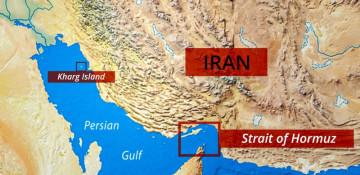
One of the most important is the Strait of Hormuz, a narrow waterway between Iran and Oman through which roughly 20 percent of the world’s oil supply passes.
Because so much energy flows through this corridor, any threat to its security can cause global oil prices to spike.
What is the Strait of Hormuz and why is it important
The Strait of Hormuz is one of the most strategically important waterways in the global economy.
It connects the Persian Gulf with the Gulf of Oman and the Arabian Sea.
Every day millions of barrels of crude oil and petroleum products pass through this narrow channel on tankers heading to markets in Asia, Europe, and beyond.
If conflict disrupts shipping in the Strait of Hormuz, even temporarily, the global oil market could face severe supply shortages.
For this reason, tensions involving Iran often trigger strong reactions in energy markets.
Why do wars usually increase oil prices
Wars can affect oil prices in several ways.
First, military conflict can directly damage oil production facilities, pipelines, refineries, or export terminals.
Second, wars increase uncertainty about future supply. Even if production remains stable, the risk of disruption leads traders to price in potential shortages.
Third, conflicts can disrupt transportation routes such as shipping lanes or pipelines.
Finally, geopolitical crises often lead governments to impose sanctions or export restrictions, which can limit the availability of oil on global markets.
All of these factors can push prices higher.
Which countries could influence oil supply during the conflict
Several countries in the Middle East play major roles in the global oil market.
Saudi Arabia is the world’s largest oil exporter and holds significant spare production capacity that can help stabilize markets.
Iran is also a major oil producer and possesses large reserves, although sanctions have limited its exports in recent years.
Iraq, Kuwait, and the United Arab Emirates are also important suppliers.
If any of these countries experience production disruptions or become involved in the conflict, the impact on oil markets could be significant.
Could oil prices rise above 120 dollars
Yes, it is possible.
If the conflict escalates or begins to affect oil infrastructure or shipping routes, prices could move significantly higher.
Markets are particularly sensitive to the possibility that tanker traffic through the Strait of Hormuz could be disrupted.
If even a small portion of global supply is interrupted, prices could spike sharply.
In extreme scenarios, analysts sometimes warn that oil could reach levels well above 120 dollars if the conflict expands across the region.
Why do oil markets react so quickly to geopolitical news
Oil markets are highly sensitive to news because supply and demand must remain balanced.
Even small disruptions can have major consequences because global energy demand is extremely large and relatively inflexible in the short term.
Traders therefore respond quickly to any news that could affect supply.
Financial markets also play a role. Hedge funds, commodity traders, and energy companies actively trade oil futures, amplifying price movements during periods of uncertainty.
As a result, geopolitical headlines can trigger immediate reactions in oil prices.
What role do oil futures markets play
Most global oil trading occurs through futures contracts.
These contracts allow buyers and sellers to agree on a price for oil that will be delivered at a later date.
Futures markets help companies hedge against price volatility and allow investors to speculate on future price movements.
When geopolitical tensions rise, traders often buy futures contracts in anticipation of higher prices.
This increased demand can push futures prices upward, influencing the overall oil market.
How do high oil prices affect the global economy
Rising oil prices can have widespread economic effects.
Oil is a key input for transportation, manufacturing, and energy production.
When oil prices increase sharply, fuel costs for businesses and consumers also rise.
Higher energy costs can lead to inflation, slowing economic growth and increasing pressure on central banks.
For many countries, especially those that import large amounts of oil, high prices can strain national budgets and trade balances.
Which countries are most vulnerable to higher oil prices
Countries that depend heavily on imported energy are most vulnerable to rising oil prices.
Many European countries, as well as large Asian economies such as India and Japan, import significant amounts of oil.
When prices increase, these countries face higher fuel costs and greater inflationary pressure.
In contrast, major oil exporters may benefit financially from higher prices because their energy revenues increase.
However, even oil producing nations can face economic challenges if high prices trigger global economic slowdowns.
How might central banks react to rising oil prices
Central banks closely monitor energy prices because they influence inflation.
If oil prices rise sharply and push inflation higher, central banks may consider tightening monetary policy by raising interest rates.
However, this decision can be complicated.
Higher interest rates can slow economic growth, and policymakers must balance the risk of inflation against the risk of recession.
As a result, rising oil prices often create difficult policy choices for central banks.
What role does the United States play in global oil markets
The United States is one of the largest oil producers in the world due to its shale industry.
American production has increased significantly over the past decade, helping to reduce global dependence on Middle Eastern oil.
However, global oil prices are determined by international supply and demand.
Even though the United States produces large quantities of oil domestically, disruptions in other regions can still influence global prices.
For this reason, conflicts in the Middle East remain highly relevant to US energy markets.
Could governments release strategic oil reserves
In some situations governments may release oil from strategic reserves to stabilize markets.
Many countries maintain emergency stockpiles of crude oil that can be used during supply disruptions.
The United States Strategic Petroleum Reserve is one of the largest such reserves in the world.
If oil prices rise dramatically due to conflict, governments may coordinate releases from these reserves to increase supply and calm markets.
However, these measures are usually temporary and cannot replace long term production.
How long could oil market volatility last
Oil market volatility could persist as long as geopolitical uncertainty remains high.
Even if prices temporarily stabilize, new developments in the conflict could trigger additional spikes.
Markets will continue to monitor military activity, diplomatic negotiations, and the security of key shipping routes.
If the situation stabilizes, prices may gradually decline.
However, if the conflict escalates or spreads to other countries, volatility could remain elevated for an extended period.
What should investors watch next
Investors and traders are closely monitoring several factors.
First, they are watching the security of oil infrastructure and shipping routes in the Middle East.
Second, they are assessing whether additional countries might become directly involved in the conflict.
Third, they are monitoring production decisions by major oil producers.
Finally, they are tracking diplomatic efforts that could either reduce or escalate tensions.
These factors will play a crucial role in determining the direction of oil prices.
The bottom line
Oil prices surged toward 120 dollars because markets fear that the escalating Middle East conflict could disrupt global energy supplies.
Although prices have temporarily pulled back after the rapid rally, the underlying risks remain significant.
The Middle East continues to play a central role in the global energy system, and any disruption to production or shipping routes could have far reaching economic consequences.
For now, oil markets remain highly sensitive to geopolitical developments, and volatility is likely to continue as the crisis evolves.
By Faig Mahmudov


Similar news