How to spot the Lyrid meteor shower as it reaches its peak this week


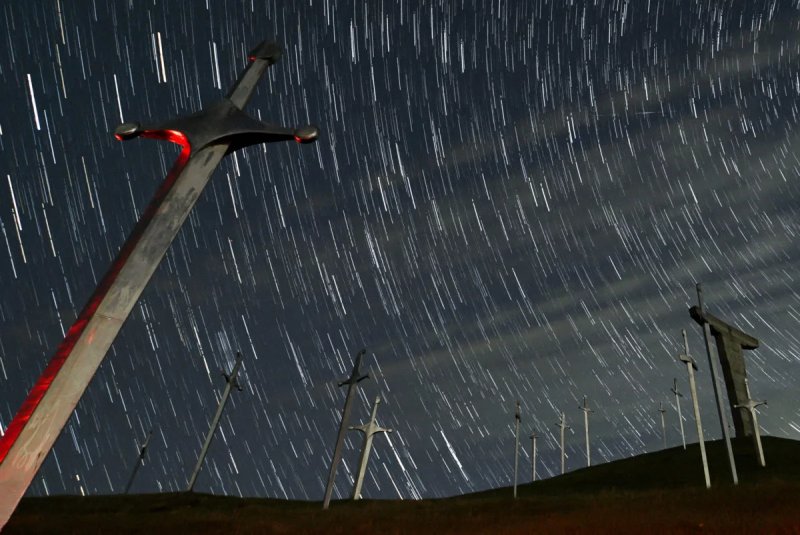
Stargazers are preparing for the annual Lyrid meteor shower, which is set to peak over the next few nights, offering a celestial display that has been documented for over 2,700 years.
While the Lyrids are not the most prolific shower of the year, they are famous for producing bright, fast-moving streaks of light and the occasional "fireball" that can leave a glowing trail behind it, News.Az reports, citing PBS.org
This year, the peak activity is expected between late April 21 and the early morning hours of April 22, though the window of visibility extends for several days on either side of the maximum.
RECOMMENDED STORIES
Astronomers note that the best time to view the shower is during the dark hours between midnight and dawn. The meteors appear to radiate from the constellation Lyra, near the bright star Vega, which rises in the northeast. However, experts suggest that viewers should not stare directly at the radiant point; instead, lying flat on one's back and looking toward the zenith provides the widest field of view to catch meteors as they streak across the sky. Because the Lyrids can appear in any part of the sky, a broad perspective is more effective than using telescopes or binoculars, which actually limit the field of vision.
One significant challenge for observers this year is the phase of the moon, which can wash out the fainter meteors with its natural light. To maximize the chances of a good show, enthusiasts are encouraged to find a location as far away from city lights as possible, such as a dark park or rural area. It typically takes about 30 minutes for human eyes to fully adjust to the darkness, so patience is key. Avoid looking at phone screens during this time, as the blue light can ruin night vision and make the meteors much harder to spot.
The Lyrid shower occurs every April when Earth passes through the debris trail left behind by Comet Thatcher, which orbits the sun once every 415 years. As the tiny particles of dust and rock hit Earth's atmosphere at speeds of nearly 110,000 miles per hour, they burn up and create the luminous flashes we see from the ground. While the average observer might see about 10 to 15 meteors per hour under ideal conditions, the Lyrids are known for rare, unpredictable outbursts that can occasionally produce up to 100 meteors per hour, keeping the event exciting for even the most seasoned astronomers.
By Leyla Şirinova


Similar news