Food markets remain under strain despite modest price decline in May


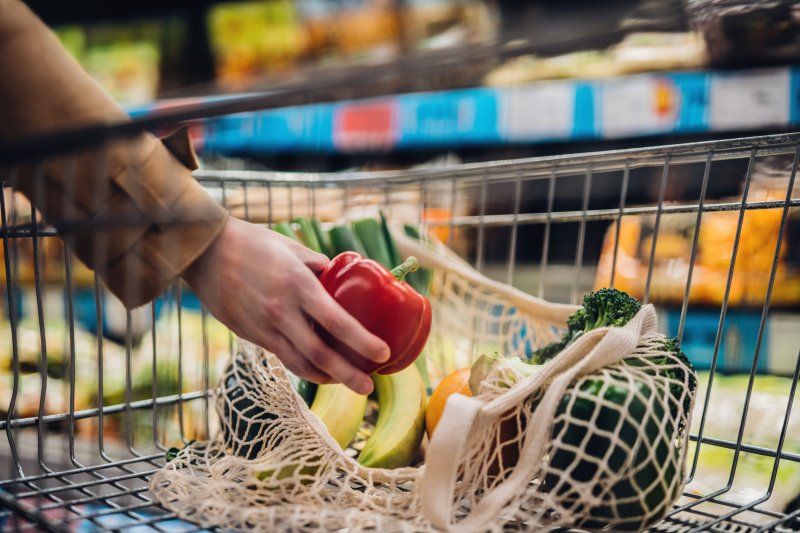
Global food prices remained close to their highest levels in nearly three years during May, highlighting continued pressures on international food markets and raising concerns about food security in many regions of the world.
Although overall prices recorded a modest monthly decline, key agricultural commodities such as grains, sugar and vegetable oils continue to trade at elevated levels compared with previous years, News.az reports.
The latest data indicate that global food markets remain vulnerable to supply disruptions, climate related challenges and geopolitical uncertainties, all of which continue to influence prices and international trade flows.
Food inflation remains a global concern
While the recent decline may provide some relief to consumers and governments, analysts warn that food inflation remains a significant challenge. High food prices continue to affect household budgets across both developed and developing economies, particularly in countries heavily dependent on imports.
Rising production costs, transportation expenses and weather related disruptions have contributed to maintaining food prices at historically elevated levels. Many governments are closely monitoring developments in agricultural markets as food affordability remains an important economic and political issue.
Experts note that even small fluctuations in global food prices can have major consequences for millions of people, especially in regions where food expenditures account for a large share of household income.
Grain markets remain under pressure
The grain sector continues to attract particular attention from investors, policymakers and food producers. Wheat, corn and other staple crops play a critical role in global food security, and any changes in supply or demand can quickly influence international markets.
Weather conditions in major agricultural regions remain a key factor affecting grain production forecasts. Droughts, excessive rainfall and other climate related events have increasingly impacted harvest expectations in recent years.
Market participants are also monitoring export flows from major grain producing countries. Any disruption to global trade routes or production levels could lead to renewed price increases and additional volatility.
For many developing economies, grain prices are especially important because bread and other grain based foods represent essential components of daily diets.
Sugar prices remain elevated
Sugar continues to be one of the most closely watched agricultural commodities. Although prices have eased somewhat compared with recent peaks, they remain significantly higher than historical averages.
Supply concerns in major producing countries have contributed to price volatility. Unfavorable weather conditions and changing agricultural policies have affected production forecasts, leading traders to closely monitor developments in leading sugar exporting nations.
Strong global demand has also helped support prices despite increased production efforts in several regions.
Industry analysts believe that sugar markets may remain sensitive to weather developments throughout the remainder of the year, particularly in countries that account for a large share of global exports.
Vegetable oils remain a strategic commodity
Vegetable oils continue to play an increasingly important role in global agricultural markets. Products such as palm oil, soybean oil and sunflower oil are used not only in food production but also in biofuels and various industrial applications.
Demand from both food manufacturers and energy markets has supported prices, while production challenges in several exporting countries have contributed to ongoing market uncertainty.
The vegetable oil sector has become particularly important as governments seek to balance food security objectives with renewable energy goals. Changes in biofuel policies can have a direct impact on global demand and pricing dynamics.
Climate risks continue to shape markets
Climate change remains one of the most significant factors affecting agricultural production worldwide. Extreme weather events have become more frequent and increasingly influence crop yields, harvest quality and supply chain stability.
Agricultural economists warn that climate related risks are likely to remain a long term challenge for food markets. Droughts, floods and heatwaves can quickly reduce production levels and contribute to higher prices.
As a result, governments and international organizations are investing more resources into improving agricultural resilience and strengthening food supply systems.
Outlook for the coming months
Although food prices have moved slightly lower, analysts do not expect a rapid return to pre inflation levels. Global demand remains strong, while supply side risks continue to create uncertainty across agricultural markets.
Much will depend on weather conditions during key growing seasons, the performance of major agricultural exporters and developments in global trade. Any significant disruption could reverse the recent decline and push prices higher once again.
For consumers, businesses and policymakers, the message remains clear: global food markets have become increasingly interconnected and sensitive to external shocks. Even as prices stabilize, grains, sugar and vegetable oils are likely to remain among the most closely watched commodities in the global economy.
With food prices still hovering near a three year high, agricultural markets are expected to remain at the center of economic discussions throughout 2026, influencing inflation, trade policy and food security strategies around the world.
By Faig Mahmudov


Similar news