Indonesia bourse chief quits after $80bn market selloff


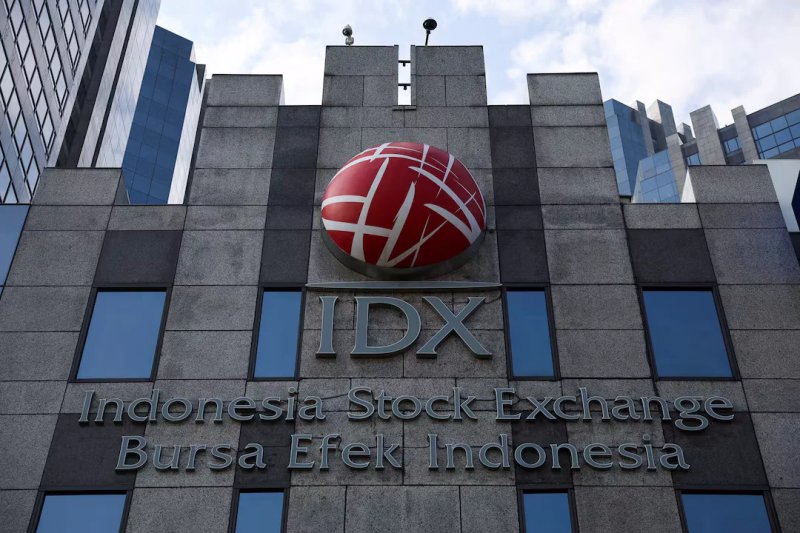
The head of the Indonesia Stock Exchange (IDX) has resigned after a dramatic market selloff wiped more than $80 billion from Indonesian equities, following concerns raised by global index provider MSCI over governance and transparency.
IDX chief executive Iman Rachman announced his resignation on Friday, saying he was taking responsibility for the turmoil and expressing hope that the move would help restore confidence in the capital market. “I hope this is the best decision for the capital market,” he said in televised remarks, adding that he expected conditions to stabilise in the coming days, News.az reports, citing Reuters.
The resignation came after MSCI warned this week that Indonesia risked being downgraded to “frontier market” status unless it addressed issues related to share ownership structures and trading transparency. The warning sparked panic selling, sending the benchmark Jakarta Composite Index down more than 8% over two days — its steepest fall since April.
By Friday, the index was trading flat as authorities moved quickly to reassure investors. Regulators unveiled a package of proposed reforms aimed at addressing MSCI’s concerns, including plans to double the minimum free-float requirement for listed companies to 15% and to tighten scrutiny of shareholder affiliations, particularly for stakes below 5%.
The currency also came under pressure. The rupiah was last trading around 16,800 per U.S. dollar, after hitting a record low of 16,985 earlier in the month, reflecting heightened investor unease.
Market participants said the CEO’s departure was an attempt to draw a line under the episode. “Someone had to take responsibility,” said Mohit Mirpuri, a portfolio manager at SGMC Capital in Singapore. “The bigger picture is a reset and an opportunity for the exchange to emerge stronger, with clearer standards and better governance.”
Beyond MSCI’s technical concerns, foreign investors have also been unsettled by broader political and fiscal developments under President Prabowo Subianto. His push to widen the fiscal deficit and expand state involvement in financial markets has raised questions about policy direction and independence.
Confidence was further shaken by the appointment of Prabowo’s nephew, Thomas Djiwandono, to the central bank earlier this month, as well as the dismissal last year of former finance minister Sri Mulyani Indrawati, who had been widely credited with maintaining fiscal discipline.
Regulators said discussions with MSCI have so far been constructive and that they are awaiting feedback on the proposed reforms, which they hope to implement swiftly. While the initial response appeared to calm markets, analysts cautioned that sentiment remains fragile.
“Policymakers want to fix this,” said Paul Dmitriev, senior analyst and co-portfolio manager at Global X ETFs. “The government has every incentive to act quickly. A downgrade and sustained capital outflows would be systemic and could materially damage the market.”
For now, Indonesia’s authorities are racing against time to convince global investors that the country can maintain its emerging market status — and that recent turbulence marks a turning point rather than the start of a deeper crisis.
By Aysel Mammadzada


Similar news