International Day of UN Peacekeepers: History and global missions


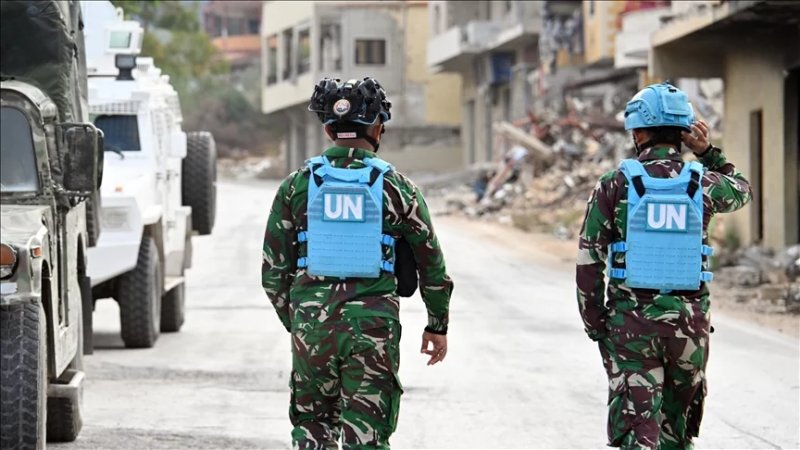
Every year on May 29, the world observes the International Day of United Nations Peacekeepers to recognize the dedication, bravery, and sacrifice of peacekeeping personnel serving in conflict zones around the globe.
In 2026, the observance comes at a time when international conflicts, humanitarian crises, and political instability continue to challenge global peace and security efforts, News.Az reports.
What is the International Day of United Nations Peacekeepers and why is it important?
The International Day of United Nations Peacekeepers is an annual observance established by the United Nations to honor military personnel, police officers, and civilian staff who serve in UN peacekeeping missions worldwide. The day also commemorates those who lost their lives while working to maintain peace and protect civilians in dangerous conflict areas.
The observance highlights the essential role peacekeepers play in supporting ceasefires, protecting vulnerable communities, assisting humanitarian operations, and helping countries recover from war and instability. It also raises awareness about the ongoing challenges faced by peacekeeping missions in increasingly complex global conflicts.
Why does the United Nations observe the day on May 29 every year?
May 29 marks the anniversary of the establishment of the United Nations’ first peacekeeping operation in 1948. On that date, the UN created the United Nations Truce Supervision Organization (UNTSO) in the Middle East to monitor ceasefire agreements following regional conflict.
The UN General Assembly officially designated May 29 as the International Day of UN Peacekeepers in 2002, with the first official observance taking place in 2003. Since then, the day has become a global occasion to recognize the contribution of peacekeepers serving under the UN flag.
What is the official theme for International Day of Peacekeepers 2026?
The official theme for 2026 is “Invest in Peace.” The slogan reflects growing international concern over the rise in armed conflicts, displacement crises, and political instability in various parts of the world.
The theme emphasizes the need for stronger international cooperation, long-term political commitment, and sustainable financial support for peacekeeping missions. UN officials say investment in peacekeeping not only helps prevent violence but also supports long-term development, stability, and humanitarian protection.
How many UN peacekeepers are serving around the world in 2026?
According to 2026 United Nations data, between 50,000 and 68,000 military personnel, police officers, and civilian staff are currently deployed in 11 UN peacekeeping operations across several regions of the world.
These missions are active in areas facing armed conflict, political unrest, terrorism threats, and humanitarian emergencies. Peacekeepers often operate under difficult and dangerous conditions while working to stabilize communities and support diplomatic peace efforts.
What are the main responsibilities of United Nations peacekeepers?
UN peacekeepers carry out a wide range of responsibilities depending on the mandate of each mission. Their primary role is to help maintain peace and security in conflict-affected regions.
Their duties may include:
- Protecting civilians from violence
- Monitoring ceasefires and peace agreements
- Supporting elections and democratic institutions
- Assisting humanitarian aid operations
- Helping former combatants disarm and reintegrate
- Supporting police and judicial reforms
- Promoting political dialogue and reconciliation
Modern peacekeeping operations often involve close coordination with governments, humanitarian organizations, and regional partners.
How many peacekeepers have died while serving under the UN flag?
Since the first peacekeeping mission was launched in 1948, more than 4,400 United Nations peacekeepers have lost their lives while serving in missions worldwide.
According to UN figures, dozens of peacekeepers continue to die each year due to armed attacks, accidents, disease, and harsh operating conditions. In 2025 alone, 59 peacekeepers lost their lives during service.
Every year, the United Nations honors fallen peacekeepers through memorial ceremonies and posthumous awards recognizing their sacrifice.
How does the United Nations commemorate International Day of Peacekeepers?
The United Nations marks the observance with ceremonies at UN Headquarters in New York as well as at peacekeeping missions and UN offices around the world.
Events commonly include:
- Wreath-laying ceremonies honoring fallen personnel
- Award presentations and medals for service
- Speeches by senior UN officials
- Public awareness campaigns
- Educational and cultural events
- Tributes from member states and military representatives
UN Secretary-General António Guterres traditionally delivers an annual message highlighting the contributions and sacrifices of peacekeepers worldwide.
Why are UN peacekeeping missions increasingly important in today’s world?
The United Nations considers peacekeeping one of its most effective tools for maintaining international stability and preventing conflicts from escalating further.
In recent years, global challenges such as civil wars, terrorism, displacement crises, food insecurity, and climate-related instability have increased the demand for international peace operations. Peacekeepers are often deployed in regions where local institutions have weakened or collapsed due to prolonged violence.
UN officials say peacekeeping missions help create conditions necessary for political solutions, humanitarian assistance, and long-term recovery.
Which countries contribute troops and personnel to UN peacekeeping operations?
More than 100 countries currently contribute military personnel, police officers, and civilian experts to United Nations peacekeeping missions.
Many troop-contributing countries come from Africa and Asia, although nations from Europe and Latin America also participate actively. Countries provide a range of support, including soldiers, police units, medical teams, engineering specialists, and logistical assistance.
The multinational nature of peacekeeping missions reflects the UN’s principle of collective international responsibility for maintaining peace and security.
By Nijat Babayev


Similar news