Iran brokers secret talks for Russian missile transfer to Yemen’s Houthis – media


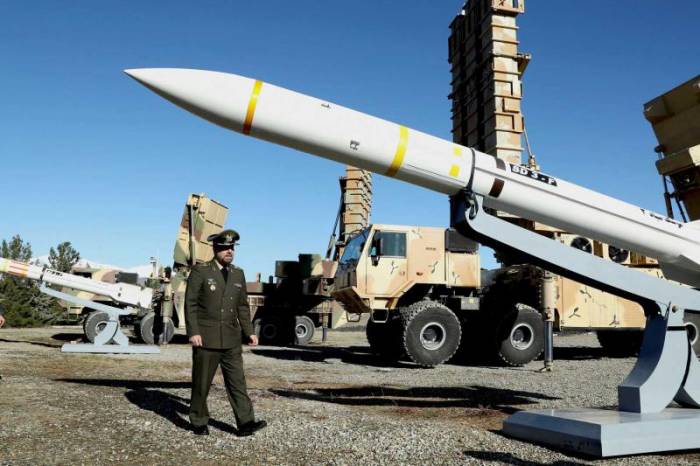
Iran has brokered ongoing secret negotiations between Russia and Yemen's Houthi rebels regarding the potential transfer of anti-ship missiles to the militant group, according to three Western and regional sources.
Seven sources said that Russia has yet to decide to transfer the Yakhont missiles – also known as P-800 Oniks - which experts said would allow the militant group to more accurately strike commercial vessels in the Red Sea and increase the threat to the U.S. and European warships defending them, News.Az reports, citing Reuters.They have sunk at least two vessels and seized another, disrupting global maritime trade by forcing shipping firms to divert cargos and, according to industry sources, driven up insurance costs for ships plying the Red Sea.
In response, the United States and Britain have struck Houthi positions but have failed to stop the group's attacks.
Two regional officials aware of the talks said that the Houthis and Russians met in Tehran at least twice this year and that the talks to provide dozens of the missiles, which have a range of about 300 km (186 miles), were ongoing with further Tehran meetings expected in coming weeks.
Russia has previously supplied the Yakhont missile to Iran-backed Hezbollah.
One of the sources said the talks started under Iranian President Ebrahim Raisi, who died in a helicopter crash in May.
"Russia is negotiating with the Houthis for the transfer of Yakhont supersonic anti-ship missiles," said a Western intelligence source. "The Iranians are brokering the talks but do not want to have their signature over it."
Iran's U.N. mission nor the Russian Defense Ministry responded to requests for comment.
"We have no knowledge of what you have mentioned," said Mohamed Abdel-Salam, the official spokesman for Yemen's Houthis.
A senior U.S. official declined to name the specific systems that could be transferred but confirmed that Russia has been discussing supplying missiles to the Houthis, calling the development "very worrisome."
A U.S. Defense Department official said any efforts to bolster the Houthis' capabilities would "undermine the shared international interest in global freedom of navigation and stability in the Red Sea and broader Middle East.”


Similar news