Is the Arab world entering war?


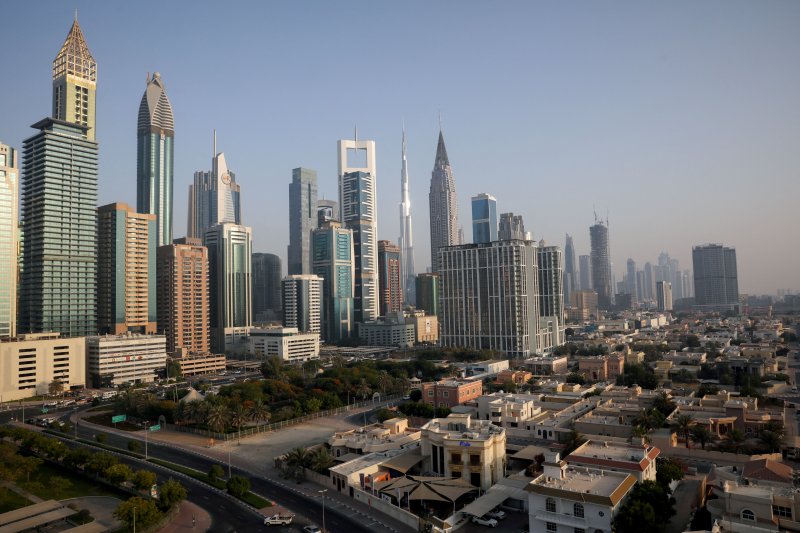
A tense confrontation is developing between Iran and the United Arab Emirates (UAE), with the situation already playing out on the ground, although it remains largely positional in nature. Tehran has consistently denied launching missiles or drones in response to reported attacks on the UAE. However, according to reports, the origin of the strikes has been documented by UAE authorities.
The day before, the UAE Ministry of Defence said the country’s air defence forces were actively intercepting missile and drone attacks originating from Iran. The ministry stated that the sounds heard across the UAE were the result of interception operations targeting incoming missiles and drones. It also urged the public on social media to remain calm and follow instructions from relevant authorities.
Earlier, the WAM news agency reported that UAE air defence systems were intercepting missiles and drones launched from Iran. According to reports, the Emirates have faced more attacks attributed to Iran over the past two months than any other country.
RECOMMENDED STORIES
On 4 May, the UAE Ministry of Defence announced it had intercepted 12 ballistic missiles, three cruise missiles and four drones launched from Iran. It also reported three injuries. On 5 May, it said it had repelled another missile and drone attack, adding that one incident caused a fire near an oil refinery in Fujairah.
Despite these reports, Tehran has firmly denied that Iranian missiles and drones have reached Abu Dhabi. “We reject Abu Dhabi’s false claims that Iran launched missiles and drones at the UAE,” the Iranian Foreign Ministry said on its Telegram channel.
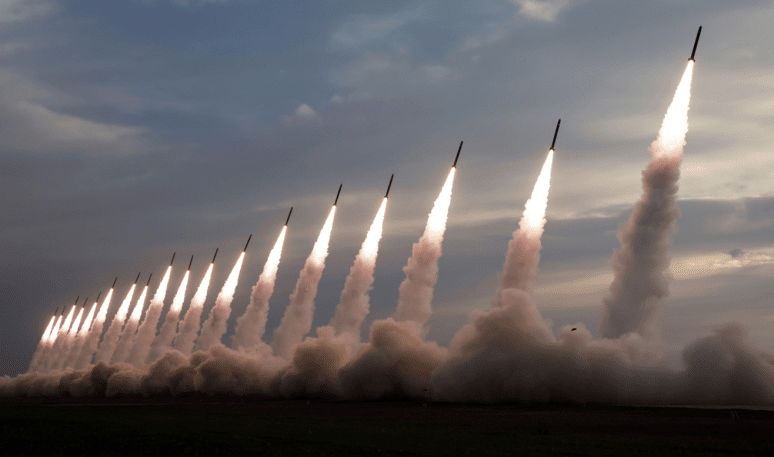
At the same time, Iranian officials present a different narrative, claiming the UAE has carried out strikes on Iranian territory, specifically targeting the port of Bandar Abbas, according to Fars News Agency. Israel has denied any involvement in explosions at the port. This leaves the UAE as the remaining party, amid what reports describe as rapidly deteriorating relations between Tehran and Abu Dhabi.
On Thursday evening, Tasnim reported several explosions of unknown origin in Qeshm Island and the southern port city of Bandar Abbas. The sounds were initially attributed to Iran’s Islamic Revolutionary Guard Corps (IRGC) naval operations aimed at preventing illegal shipping through the Strait of Hormuz. However, later claims of UAE involvement reportedly prompted renewed Iranian threats against the Emirates. “From now on, Iran will treat the UAE the same as Iraqi Kurdistan, and reserves the right to strike whenever deemed necessary,” said Ali Khazrian, a member of the Iranian parliament’s National Security Committee.
Iran continues to maintain its position and, for reasons that analysts say remain unclear, shifts blame towards the UAE. These developments are reportedly fuelling frustration across parts of the Arab world, with some states reassessing their neutrality as tensions escalate.
According to The Wall Street Journal, citing US and Saudi officials, Saudi Arabia and Kuwait have lifted restrictions on the use of their bases and airspace by the US military. There has been no official confirmation from Washington. The reported decision would allow the US to resume “Project Freedom”, which was reportedly suspended 36 hours after its launch by Trump.
Meanwhile, the UAE has placed greater emphasis on strengthening its defence capabilities. Before the recent escalation, the Emirates were widely seen as a zone of stability and security, but recent developments have challenged that perception.
Bloomberg, citing sources, reports that UAE authorities have held preliminary talks on establishing a specialised investment fund to directly invest in global defence companies and expand domestic military production. The proposed structure would centralise and diversify arms procurement and could include drone manufacturers from Ukraine and Türkiye, major defence contractors from Europe and the United States, and venture capital projects in niche technologies.
According to the report, senior UAE officials, including Abu Dhabi Crown Prince Sheikh Khalid bin Mohammed Al Nahyan and Mubadala CEO Khaldoon al-Mubarak, have been involved in discussions. The fund would operate independently from the country’s three sovereign wealth funds, which collectively manage about $1.8 trillion in assets. However, no final decision has been made and the project could still be abandoned, Bloomberg sources noted.
Rising geopolitical tensions and reported direct threats have accelerated these discussions in the Emirates.
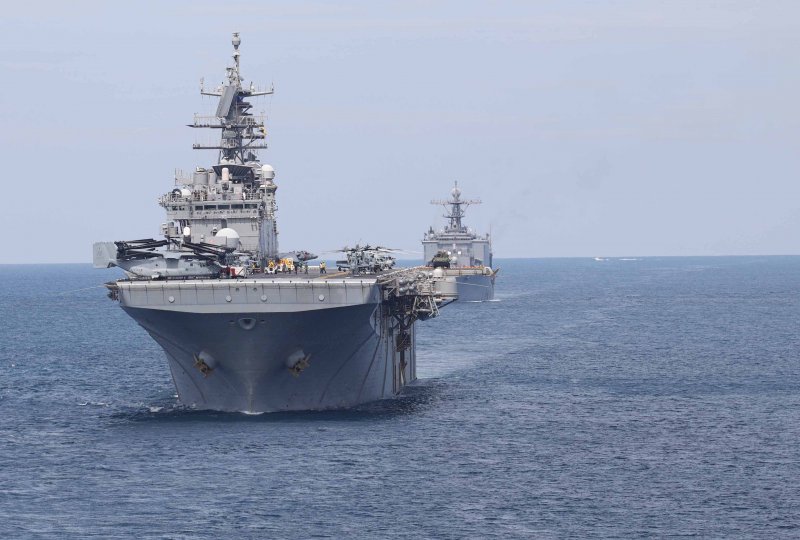
The UAE accounts for around 3% of global arms imports while continuing to expand its domestic defence industry. According to RBC, EDGE, a defence company established in 2019, invested $200 million in a joint venture with US firm Anduril Industries, which develops autonomous combat systems. Reports also indicate that a 85 percent of Iranian drones used in recent attacks on the UAE have been intercepted by locally developed systems.
Israel has also contributed to strengthening UAE defence capabilities, supplying advanced military technology including the Iron Beam laser system. According to sources cited by The Financial Times, Israel also provided the lightweight Spectro surveillance system, capable of detecting incoming drones, including Shahed-type drones, at ranges of up to 20 kilometres. Several dozen Israeli military personnel have reportedly been deployed to assist with operation and maintenance of the systems.
Israel reportedly views the UAE as having borne the brunt of the attacks and has moved to support a partner with which it signed the Abraham Accords. As of 5 May, more than 500 ballistic missiles and 2,000 drones are reported to have been launched towards the Emirates, with most intercepted by air defence systems, including Israeli-supplied technology.


Similar news