Israel–Palestine conflict: Key developments over the past week - Ceasefire talks, hostage exchange


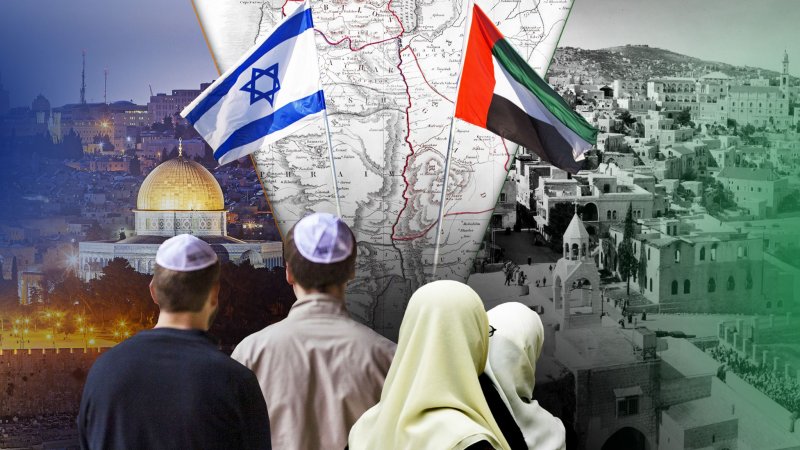
A decisive week in the Israel–Palestine conflict unfolded between 6 and 13 October 2025, as negotiations, military maneuvers, humanitarian efforts, and international diplomacy converged to produce the first major ceasefire since the outbreak of hostilities. Below is a detailed chronological summary of the main developments during this critical period, News.az reports.
October 6 — Indirect Talks Begin in Cairo
On 6 October, indirect negotiations between Israel and Hamas opened in Cairo, mediated by Egypt, Qatar, and the United States. Discussions focused on a 20-point U.S.-backed peace plan that includes a hostage–prisoner exchange, phased Israeli troop withdrawal, humanitarian corridors, and a political framework for Gaza’s future governance.
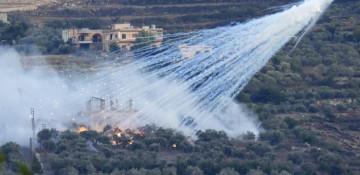
While talks progressed, Israeli airstrikes continued in Gaza, with the Health Ministry reporting 21 Palestinians killed in 24 hours, bringing the total death toll to approximately 67,160. In southern Lebanon, an Israeli drone strike killed two people, including a Hezbollah member allegedly involved in rebuilding air defenses. The IDF also struck Hezbollah training and weapons sites in Lebanon’s Beqaa Valley, underscoring the multi-front nature of the conflict.
October 7 — Israeli Cabinet Approves Framework
The Israeli cabinet formally ratified the proposed framework on 7 October, signaling political backing for the emerging deal. The Gaza death toll rose to roughly 67,173, with continued air and artillery strikes reported. Behind the scenes, negotiators worked on fine-tuning lists of hostages and prisoners to be exchanged and on setting timelines for phased implementation.
October 8–9 — Intensive Mediation and Diplomatic Pressure
Between 8 and 9 October, mediators from Egypt, Qatar, and the United States intensified their shuttle diplomacy. Hamas gave preliminary approval in principle to the deal, particularly the hostage–prisoner exchange.
Despite negotiations, sporadic ground fighting continued in parts of Gaza City, and Israeli air operations persisted. Hamas fired shells at some Israeli positions, though at a reduced scale compared to earlier weeks.
On 9 October, UN Secretary-General António Guterres publicly welcomed the diplomatic momentum, urging all sides to seize the opportunity to end hostilities and open humanitarian access.
October 10 — Ceasefire Takes Effect
At 12:00 local time on 10 October, the ceasefire between Israel and Hamas officially began, marking the first formal truce in months.
Under the agreement, Israeli forces began a phased withdrawal from parts of Gaza, repositioning along revised defensive lines. Hamas committed to begin releasing hostages within 72 hours, while Israel pledged to release nearly 1,900 Palestinian prisoners.
The ceasefire opened humanitarian corridors into Gaza. Hundreds of aid trucks carrying food, medical supplies, water, fuel, and shelter materials entered through Rafah. Israel announced that up to 600 trucks per day would be allowed.
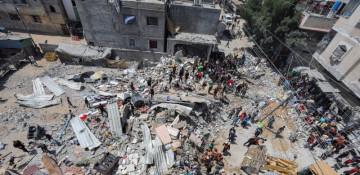
Thousands of displaced Palestinians returned to their homes in northern Gaza despite the devastation. Many neighborhoods were in ruins, essential services remained disrupted, and unexploded ordnance posed serious risks.
In the West Bank, Israeli security operations continued in Nablus and Hebron, while along the Lebanese border, the IDF struck Hezbollah positions amid ongoing tensions.
October 11 — Casualty Numbers Revised, Border Tensions Persist
On 11 October, Gaza health authorities revised the death toll upward as more bodies were recovered from collapsed buildings in areas previously inaccessible due to fighting. Israeli strikes continued against Hezbollah-linked sites in Lebanon, injuring civilians and fueling cross-border tensions.
Despite the ceasefire holding in Gaza, the northern front remained volatile, with concerns about potential escalation.
October 12 — Preparations for Hostage Releases
By 12 October, humanitarian operations expanded further, though logistical challenges persisted. Health authorities reported 124 additional deaths, 117 of which were bodies recovered from rubble, bringing the Gaza death toll to approximately 67,806.
The International Committee of the Red Cross (ICRC) prepared to mediate the hostage transfers. Both Israel and Hamas finalized and published lists of hostages and prisoners to be exchanged.
Meanwhile, U.S. President Donald Trump departed for the Middle East, planning to visit Israel and co-chair a summit in Egypt. International attention turned toward the expected first release of hostages on 13 October.
October 13 — First Hostage Releases and Sharm El Sheikh Summit
On the morning of 13 October, Hamas handed over seven Israeli hostages to the ICRC inside Gaza, marking the beginning of the exchange. These individuals were transferred to Israeli custody for medical care and reunification with families.
Israel prepared to release more than 1,900 Palestinian prisoners in the coming days. Some hostages are believed to have died in captivity, and discussions on the return of their remains are continuing.
Simultaneously, the “Summit for Peace” convened in Sharm El Sheikh, Egypt, co-hosted by President Donald Trump and Egyptian President Abdel Fattah el-Sisi. Over 30 countries and international organizations participated, aiming to coordinate reconstruction, define security arrangements, and shape Gaza’s postwar governance.
The Palestinian Authority signaled readiness to participate in future governance arrangements and backed Tony Blair to coordinate reconstruction. Hamas rejected any external governance structure. Iran declined to attend the summit.
UN Secretary-General Guterres welcomed the developments as a potential “pathway toward a two-state solution,” while European leaders urged sustained engagement.


Similar news