The restart comes after a problem with a monitoring alarm in January forced the suspension of the plant’s first reactivation since the 2011 Fukushima nuclear disaster, News.Az reports, citing AFP.
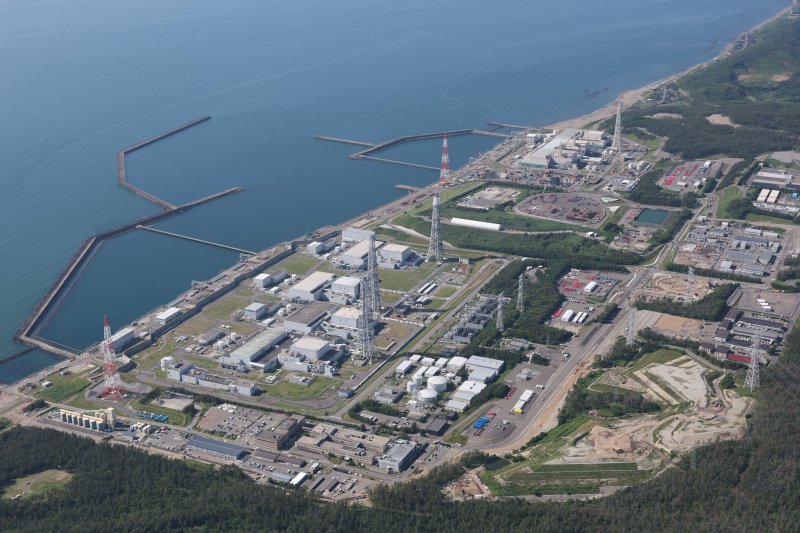
The Kashiwazaki-Kariwa nuclear power plant in the Niigata region resumed operations at 2:00 pm (0500 GMT), according to a statement by Tokyo Electric Power Company (TEPCO).
The facility had remained offline since Japan shut down its nuclear fleet following the massive earthquake and tsunami in 2011 that triggered meltdowns at the Fukushima Daiichi nuclear plant.
Japan is now gradually returning to nuclear power as part of efforts to cut dependence on fossil fuels, reach carbon neutrality by 2050, and meet rising electricity demand driven in part by artificial intelligence technologies.
Prime Minister Sanae Takaichi, who secured a decisive election victory on Sunday, has actively promoted nuclear energy as a pillar of Japan’s economic and energy strategy.
TEPCO initially attempted to restart one of the seven reactors at Kashiwazaki-Kariwa on January 21, but shut it down the following day after a monitoring system alarm was triggered. Officials later explained that the alarm detected slight changes in electrical current in a cable, though the readings remained within safe limits.
The company said it has since adjusted the alarm settings and confirmed that the reactor is safe to operate.
Commercial operations are expected to begin on or after March 18, following another comprehensive inspection, TEPCO officials said.
Kashiwazaki-Kariwa is the world’s largest nuclear power plant by potential generating capacity, although only one of its seven reactors has been restarted.
Since the post-Fukushima shutdown, 14 reactors—mainly in western and southern Japan—have resumed operations under strict safety standards, with 13 in operation as of mid-January.
The Kashiwazaki-Kariwa restart marks the first time a TEPCO-operated reactor has returned to service since 2011. The company also runs the Fukushima Daiichi plant, which is currently undergoing decommissioning.
The sprawling complex has undergone extensive safety upgrades, including the construction of a 15-meter-high tsunami wall, elevated emergency power systems, and other protective measures.
Public opinion in the surrounding area remains divided. A survey conducted by Niigata prefecture in September found that about 60 percent of local residents oppose the restart, while 37 percent support it.
Opponents have cited concerns over the risk of a major accident, pointing to past cover-up scandals, minor incidents, and evacuation plans they argue are insufficient.
On January 8, seven anti-nuclear groups submitted a petition signed by nearly 40,000 people to TEPCO and Japan’s Nuclear Regulation Authority opposing the plant’s restart.
“We will continue to demonstrate our commitment to safety as our priority at the Kashiwazaki-Kariwa Nuclear Power Station through our actions and results,” TEPCO said in a statement on Monday.