JPMorgan CEO warns of oil shock from Iran war


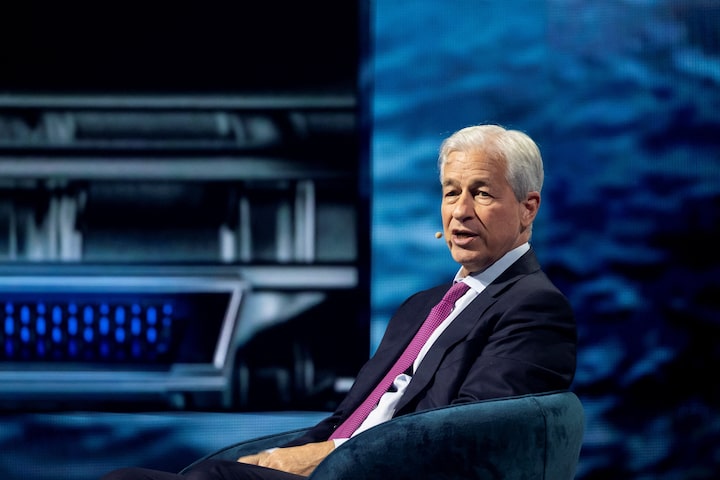
Jamie Dimon, chief executive of JPMorgan Chase, has warned that escalating tensions involving Iran could trigger oil and commodity shocks, keeping inflation elevated and driving interest rates higher than markets currently expect.
In his annual letter to shareholders, Dimon said the conflict risks disrupting global supply chains and fueling sustained price pressures. He cautioned that these developments could delay any potential interest rate cuts, as central banks grapple with persistent inflation, News.Az reports, citing Reuters.
His comments come amid rising geopolitical tensions, including renewed pressure from Donald Trump on Iran over the strategically critical Strait of Hormuz.
RECOMMENDED STORIES
Dimon stressed that while the U.S. economy remains relatively resilient—with steady consumer spending and stable businesses—underlying risks are growing. He noted that recent economic strength has been supported by government stimulus and deficit spending, warning that these factors may not be sustainable long term.
The veteran banker also downplayed fears around the fast-growing private credit market, saying it is unlikely to pose a systemic risk. However, he cautioned that weaker credit standards could lead to higher losses if economic conditions deteriorate.
Separately, Dimon criticized proposed U.S. banking regulations, describing aspects of revised Basel III and GSIB capital rules as “flawed” and overly punitive for large financial institutions.
Markets have already reacted to rising geopolitical risks. The S&P 500 recently recorded its worst quarterly performance since 2022, weighed down by surging energy prices and uncertainty linked to the Iran conflict.
Dimon concluded that while the global economy faces multiple challenges—from war in Ukraine to tensions with China—the potential economic fallout from Iran remains a key concern for investors and policymakers alike.
By Aysel Mammadzada


Similar news