MacBook Neo becomes Apple’s easiest laptop to repair


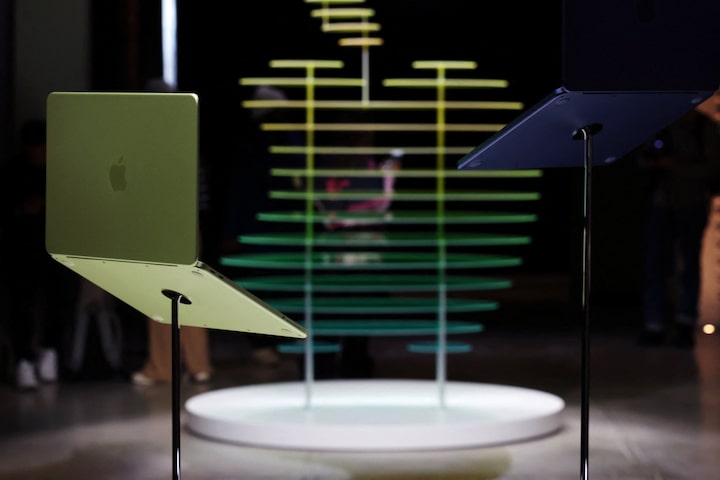
Apple’s newly announced MacBook Neo is being praised as the company’s most repairable laptop in more than a decade, according to a teardown analysis released by repair experts at iFixit.
The entry-level laptop, unveiled earlier this month and priced from $499 for students, features design changes that make it significantly easier to repair than most recent MacBooks, News.Az reports, citing Reuters.
Experts say the improvements could signal a shift in Apple’s approach to device repairability after years of criticism from consumer advocates and technicians.
RECOMMENDED STORIES
In its teardown report, iFixit found that Apple redesigned several internal components to make them easier to replace.
For example, the battery and keyboard are now attached using screws instead of glue or rivets, allowing technicians to remove and replace them more easily. Other parts, including the camera and fingerprint sensor, can also be swapped out without complex procedures.
iFixit’s ratings measure how easy it is for users or technicians to repair devices and extend their lifespan. Laptop manufacturers such as Dell Technologies and Lenovo have previously used these ratings to improve their own designs.
Industry observers believe Apple is positioning the MacBook Neo to compete with low-cost Chromebooks widely used in schools.
Chromebooks, developed under the ecosystem of Google, are often designed with repairability in mind. Some school districts, including those in Oakland, California, even train student interns to repair the devices as part of technology programs.
According to Kyle Wiens, chief executive of iFixit, the MacBook Neo could appeal to schools looking for devices that are both affordable and easier to maintain.
Despite the improvements, the MacBook Neo received a repairability score of 6 out of 10 from iFixit.
That rating is higher than many recent Apple laptops but still lower than several competing devices. Some models from Lenovo’s ThinkPad lineup have achieved scores as high as 9 or 10, thanks to modular components and easier upgrades.
Apple has traditionally prioritized thin and lightweight designs, which often make laptops harder to repair or upgrade.
One key limitation highlighted by the teardown involves the MacBook Neo’s 8GB of DRAM memory, which is soldered directly onto the main chip inside the device.
This design improves efficiency and saves space but prevents users from upgrading memory later.
Wiens warned that this could become a problem as artificial intelligence applications grow more demanding in the coming years.
Apple has increasingly emphasized running AI features directly on devices rather than relying on cloud computing, citing privacy advantages.
However, Wiens argued that allowing memory upgrades would make Apple’s laptops better suited for future AI workloads.
“Apple’s future for privacy-centered AI depends on local models,” he said, adding that the lack of upgradeable memory remains a weakness across the company’s Mac lineup.
By Aysel Mammadzada


Similar news