Microsoft CEO to testify in Musk–OpenAI trial


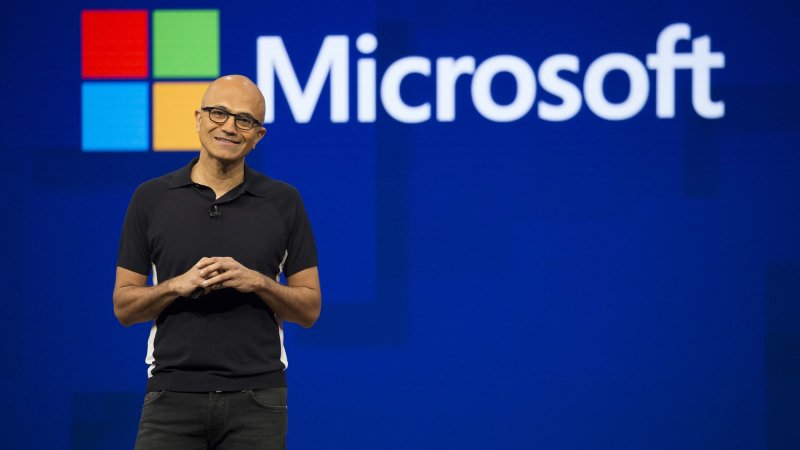
Microsoft CEO Satya Nadella is expected to take the stand on Monday in Elon Musk’s lawsuit against OpenAI, where he will be questioned about internal emails that allegedly show how Microsoft helped fund OpenAI’s transition from a philanthropic research group into a major for-profit artificial intelligence company.
Nadella’s testimony will come before OpenAI CEO Sam Altman, whose appearance in court—expected on Tuesday or Wednesday—will mark one of the final stages of a closely watched federal trial in Oakland, California, News.Az reports, citing AFP.
The case has exposed internal tensions among prominent Silicon Valley engineers, investors, and executives during the years leading up to the 2022 launch of ChatGPT, the AI chatbot that brought OpenAI global attention.
RECOMMENDED STORIES
Musk’s lawsuit accuses OpenAI of abandoning its original nonprofit mission and misusing approximately $38 million in founding donations, which he says were intended to support charitable AI research but instead helped build a company now valued at more than $850 billion.
The Tesla and SpaceX CEO is seeking to force OpenAI to return to its original nonprofit structure, a move that could significantly affect its competitive position in the global AI race against companies such as Anthropic, Google, and China’s DeepSeek.
OpenAI, however, argues that Musk voluntarily left the organization after failing to secure majority control and later became a direct competitor through his own AI company, xAI.
An advisory jury is expected to deliver a verdict on whether any wrongdoing occurred by around May 18. Judge Yvonne Gonzalez Rogers will then issue a final ruling on liability and remedies, and she has indicated she is likely to follow the jury’s recommendation.
If the court rules in Musk’s favor, OpenAI’s planned initial public offering could face serious complications.
On Monday, Musk’s legal team is expected to argue that Microsoft’s 2019 investment in OpenAI demonstrates that the tech giant knowingly supported the shift away from nonprofit status once a profitable future became likely.
The case relies in part on previously disclosed Microsoft emails from January 2018, which Musk’s side says show early awareness of OpenAI’s commercial potential.
In those emails, Nadella discussed pricing discounts for OpenAI’s use of Microsoft’s Azure cloud computing platform, while also expressing uncertainty about OpenAI’s research direction.
“Overall I can't tell what research they are doing and how if shared with us it could help us get ahead,” Nadella wrote. “From what Elon is telling everyone... he feels Open AI is at verge of some big AGI (artificial general intelligence) breakthroughs.”
At the time, skepticism was widespread within Microsoft. Chief Technology Officer Kevin Scott reportedly worried that OpenAI might abruptly shift partnerships to competitors such as Amazon.
In the following years, OpenAI created a for-profit subsidiary to attract outside investment, moving beyond its original reliance on donations.
Microsoft eventually invested $1 billion in 2019, about 18 months after initially distancing itself from OpenAI. The company’s total investment has since grown to around $13 billion, a stake now valued at approximately $228 billion.
The trial has already featured significant testimony. Last week, OpenAI co-founder Greg Brockman, whose stake is valued at roughly $30 billion, was questioned about early internal writings, including a 2017 diary entry referencing “making money for us,” which Musk’s lawyers used to suggest profit motives existed early on.
Brockman also testified that Musk once physically threatened him in 2017 after Musk was denied full control of OpenAI.
Meanwhile, Musk announced on Wednesday a new partnership with OpenAI rival Anthropic, allowing it to use computing power from SpaceX’s largest data center.
By Nijat Babayev


Similar news