Mikheil Kavelashvili's presidency: Can Georgia resist external influence?


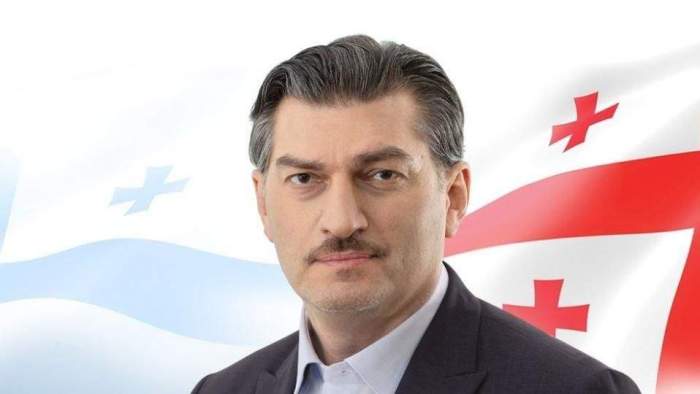
The recent presidential election in Georgia, held on December 14, 2024, introduced a novel system where the head of state was chosen not by popular vote but by a 300-member electoral college. This process, while procedurally transparent, has sparked significant domestic and international debate. With the opposition alleging undue influence and the European media branding the elected president, Mikheil Kavelashvili, as "pro-Russian," Georgia finds itself at the center of political tension, balancing internal stability and external pressures.
Kavelashvili, a former footballer turned politician, secured 224 votes, supported by the ruling "Georgian Dream" party. His program focuses on preserving Georgia's sovereignty, traditional values, and distancing the country from radical Western reforms. However, critics argue that his election symbolizes Georgia's increasing political divergence from Europe.
The new electoral system, while ensuring efficiency, raises questions about representation. By centralizing the selection process within a select group of lawmakers, regional representatives, and local officials, the broader Georgian population may feel excluded from critical decisions. Such a shift could exacerbate political polarization at a time when unity is desperately needed.
External forces and internal struggles
For decades, Georgia has been a geopolitical battleground, its strategic location and historical ties to both Russia and Europe positioning it as a pawn in larger global conflicts. Today, these dynamics are no less relevant. The opposition has amplified narratives of foreign influence, alleging that the electoral process was compromised to favor Russia. Simultaneously, Western powers, notably the EU, have criticized the Georgian leadership for resisting progressive reforms, particularly those linked to family values, LGBTQ rights, and closer European integration.
What complicates matters further is the increasing Western pressure for Georgia to open a “second front” against Russia, echoing the strategy seen in Ukraine. The ruling “Georgian Dream,” under Bidzina Ivanishvili's leadership, has resisted this push, prioritizing stability over confrontation. Kavelashvili’s presidency reflects this stance, advocating for neutrality while safeguarding cultural and religious heritage – a platform that resonates with large swaths of Georgian society but alienates Western allies.
However, Western criticism goes beyond political neutrality. Many argue that Kavelashvili’s ties to Russia and his rhetoric have undermined Georgia’s European aspirations. Media narratives painting him as a “pro-Russian president” ignore the complexities of Georgia’s internal dynamics. For much of the population, stability under "Georgian Dream" has been preferable to the chaos of previous governments.
Traditional values and public sentiment
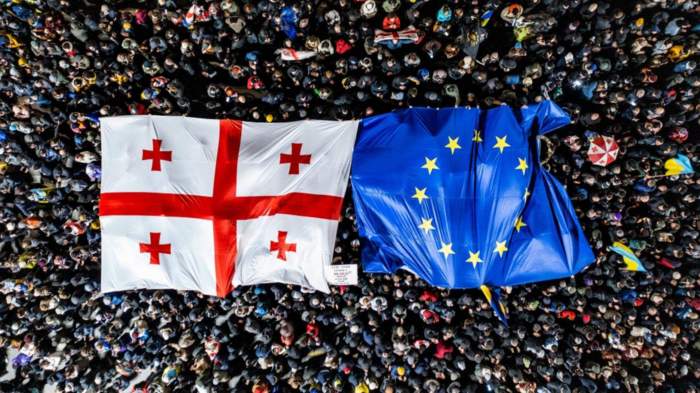
The opposition's strategic mistake has been conflating the ruling party with Russia, inadvertently aligning the government's image with traditional Georgian values: the family, Christianity, and national sovereignty. These ideals remain deeply rooted in Georgian society, and the EU's insistence on progressive reforms, such as same-sex marriage legalization and gender identity policies, has only strengthened public skepticism toward Western influence.
The growing disconnect between Georgia's rural and urban populations further fuels this divide. While younger, urbanized Georgians increasingly adopt Western ideals, rural communities remain steadfast in their cultural traditions. Protesters shouting slogans like “Slaves of Putin – to Chelyabinsk” showcase a superficial understanding of Georgia’s history and a worrying rise in divisive rhetoric. This polarization not only hinders reconciliation but also undermines Georgia’s territorial integrity, as hatred and xenophobia alienate critical regional actors like Azerbaijan.
Regional alliances: The role of Azerbaijan
Georgia's geopolitical survival hinges not on its alignment with Europe but on its relationships with regional neighbors, particularly Azerbaijan. President Ilham Aliyev’s swift congratulations to Kavelashvili underscored the importance of maintaining strong bilateral ties. Azerbaijan remains a key trade and energy partner for Georgia, and the two nations share a history of mutual support in times of crisis. However, unresolved issues, such as the delayed reopening of land borders, highlight the lingering challenges in their relationship.
Meanwhile, Georgia’s economic dependence on Russia and Azerbaijan cannot be overstated. Energy supplies, tourism, and trade with these nations form the backbone of Georgia's economy. Ignoring these realities in favor of Western demands could jeopardize Georgia’s economic stability, a risk the ruling party appears unwilling to take.
Radicalism and youth mobilization
The rise of radical nationalist movements among Georgian youth further complicates the country’s political landscape. Driven by manipulated narratives and external influences, these movements have targeted not only the government but also cultural and religious institutions. Attacks on the Georgian Orthodox Church and Patriarch Ilia II, reminiscent of vandalism seen in Ukraine, reflect a dangerous erosion of societal unity.
Teachers, doctors, and other professionals joining these protests point to deeper systemic issues, where institutions meant to foster critical thinking are becoming platforms for radicalization. Left unchecked, this trend risks further destabilizing Georgia, as external actors exploit divisions for geopolitical gain.
The road ahead
Mikheil Kavelashvili’s presidency marks a turning point in Georgian politics. While his election symbolizes a rejection of radical Western agendas, it also highlights Georgia’s precarious position between East and West. Moving forward, the government must address domestic challenges – from political polarization to economic stability – while navigating external pressures.
For Georgia, the path to sovereignty lies not in choosing between Russia and the West but in fostering regional cooperation, preserving its cultural identity, and pursuing a pragmatic foreign policy. Whether Kavelashvili can unite the nation and restore trust remains to be seen, but one thing is clear: the Georgian people will not tolerate foreign interference at the cost of their values and traditions.
Kavelashvili, a former footballer turned politician, secured 224 votes, supported by the ruling "Georgian Dream" party. His program focuses on preserving Georgia's sovereignty, traditional values, and distancing the country from radical Western reforms. However, critics argue that his election symbolizes Georgia's increasing political divergence from Europe.
The new electoral system, while ensuring efficiency, raises questions about representation. By centralizing the selection process within a select group of lawmakers, regional representatives, and local officials, the broader Georgian population may feel excluded from critical decisions. Such a shift could exacerbate political polarization at a time when unity is desperately needed.
External forces and internal struggles
For decades, Georgia has been a geopolitical battleground, its strategic location and historical ties to both Russia and Europe positioning it as a pawn in larger global conflicts. Today, these dynamics are no less relevant. The opposition has amplified narratives of foreign influence, alleging that the electoral process was compromised to favor Russia. Simultaneously, Western powers, notably the EU, have criticized the Georgian leadership for resisting progressive reforms, particularly those linked to family values, LGBTQ rights, and closer European integration.
What complicates matters further is the increasing Western pressure for Georgia to open a “second front” against Russia, echoing the strategy seen in Ukraine. The ruling “Georgian Dream,” under Bidzina Ivanishvili's leadership, has resisted this push, prioritizing stability over confrontation. Kavelashvili’s presidency reflects this stance, advocating for neutrality while safeguarding cultural and religious heritage – a platform that resonates with large swaths of Georgian society but alienates Western allies.
However, Western criticism goes beyond political neutrality. Many argue that Kavelashvili’s ties to Russia and his rhetoric have undermined Georgia’s European aspirations. Media narratives painting him as a “pro-Russian president” ignore the complexities of Georgia’s internal dynamics. For much of the population, stability under "Georgian Dream" has been preferable to the chaos of previous governments.
Traditional values and public sentiment
The opposition's strategic mistake has been conflating the ruling party with Russia, inadvertently aligning the government's image with traditional Georgian values: the family, Christianity, and national sovereignty. These ideals remain deeply rooted in Georgian society, and the EU's insistence on progressive reforms, such as same-sex marriage legalization and gender identity policies, has only strengthened public skepticism toward Western influence.
The growing disconnect between Georgia's rural and urban populations further fuels this divide. While younger, urbanized Georgians increasingly adopt Western ideals, rural communities remain steadfast in their cultural traditions. Protesters shouting slogans like “Slaves of Putin – to Chelyabinsk” showcase a superficial understanding of Georgia’s history and a worrying rise in divisive rhetoric. This polarization not only hinders reconciliation but also undermines Georgia’s territorial integrity, as hatred and xenophobia alienate critical regional actors like Azerbaijan.
Regional alliances: The role of Azerbaijan
Georgia's geopolitical survival hinges not on its alignment with Europe but on its relationships with regional neighbors, particularly Azerbaijan. President Ilham Aliyev’s swift congratulations to Kavelashvili underscored the importance of maintaining strong bilateral ties. Azerbaijan remains a key trade and energy partner for Georgia, and the two nations share a history of mutual support in times of crisis. However, unresolved issues, such as the delayed reopening of land borders, highlight the lingering challenges in their relationship.
Meanwhile, Georgia’s economic dependence on Russia and Azerbaijan cannot be overstated. Energy supplies, tourism, and trade with these nations form the backbone of Georgia's economy. Ignoring these realities in favor of Western demands could jeopardize Georgia’s economic stability, a risk the ruling party appears unwilling to take.
Radicalism and youth mobilization
The rise of radical nationalist movements among Georgian youth further complicates the country’s political landscape. Driven by manipulated narratives and external influences, these movements have targeted not only the government but also cultural and religious institutions. Attacks on the Georgian Orthodox Church and Patriarch Ilia II, reminiscent of vandalism seen in Ukraine, reflect a dangerous erosion of societal unity.
Teachers, doctors, and other professionals joining these protests point to deeper systemic issues, where institutions meant to foster critical thinking are becoming platforms for radicalization. Left unchecked, this trend risks further destabilizing Georgia, as external actors exploit divisions for geopolitical gain.
The road ahead
Mikheil Kavelashvili’s presidency marks a turning point in Georgian politics. While his election symbolizes a rejection of radical Western agendas, it also highlights Georgia’s precarious position between East and West. Moving forward, the government must address domestic challenges – from political polarization to economic stability – while navigating external pressures.
For Georgia, the path to sovereignty lies not in choosing between Russia and the West but in fostering regional cooperation, preserving its cultural identity, and pursuing a pragmatic foreign policy. Whether Kavelashvili can unite the nation and restore trust remains to be seen, but one thing is clear: the Georgian people will not tolerate foreign interference at the cost of their values and traditions.
(If you possess specialized knowledge and wish to contribute, please reach out to us at opinions@news.az).


Similar news