Monsoon havoc in Southern China: Landslides, infections, and economic fears


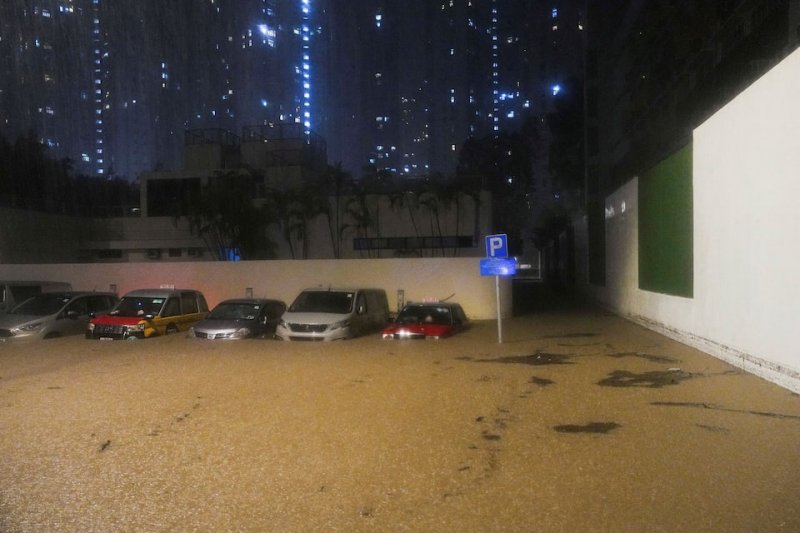
Rescue teams are battling rising floodwaters and dangerous landslides across southern China, where the East Asian monsoon has brought some of the heaviest rainfall in decades. The worst-hit areas, including Guangzhou, are facing not only physical devastation but also a renewed outbreak of disease and mounting economic disruption.
Guangzhou, the capital of Guangdong province, was hit by the second-heaviest August rainfall this century, prompting the cancellation of 363 flights and delays to 311 more at Baiyun Airport, one of the world’s busiest air hubs. Just a day earlier, Hong Kong experienced its most intense August rainfall since records began in 1884, with heavy showers drenching the Pearl River Delta’s high-tech cities and turning streets into rivers, News.Az reports, citing Reuters.
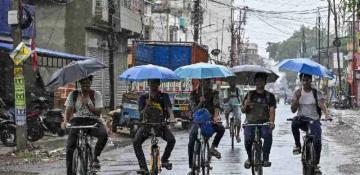
State media reported widespread urban flooding, felled trees, and roads torn open by torrents of water. Authorities worked urgently to clear drains, pump water, and restore damaged infrastructure. Video footage captured submerged streets and murky floodwaters that posed new health threats—especially the spread of chikungunya, a viral disease carried by mosquitoes that thrive in stagnant water. Guangdong had recorded more than 7,000 cases of the virus before the latest floods.
The persistent heavy rainfall and flooding follow weeks of unusual and chaotic weather patterns across China, which meteorologists blame on climate change and the stalled East Asian monsoon. Flash floods have displaced thousands and threaten billions in economic damage. The central government has allocated over 1 billion yuan ($139 million) in disaster relief for Guangdong, Hebei, Beijing, and Inner Mongolia, including subsidies for affected agricultural areas.
Dan Wang, an analyst at Eurasia Group, warned that the destruction would raise food prices, especially for fresh fruits and vegetables, and affect farmers' incomes. Cold chain logistics providers may benefit in the short term, but price hikes could affect consumer spending, even as inflation ticks up after months of stagnation.
The extreme weather also affected China’s e-commerce sector. A landslide struck “Taobao Village” north of Guangzhou early Wednesday, trapping 14 people. The village is known for its home-run shops linked to Alibaba’s Taobao platform, raising concerns about the broader impact on small businesses.
Sixteen rivers across Guangdong have risen dangerously close to bursting their banks. In two locations, water levels are at their highest in seven or eight years. Officials fear the worst is yet to come, warning that two to three typhoons could still hit the region before the end of August.
The outbreak of chikungunya is especially severe in Foshan, west of Guangzhou. At least a dozen cities across the province have reported cases of the virus, which causes fever and joint pain but is rarely fatal. The coming weeks are critical for disease prevention, as the rainy season—amplified by typhoons—has created ideal breeding grounds for mosquitoes.
Globally, at least 240,000 chikungunya infections have been reported this year, but the impact in China is expected to vary. Chim Lee, a senior analyst at the Economist Intelligence Unit, said the economic toll would depend on local conditions. In areas like Guangdong, consumer-facing businesses and industrial operations are already reporting lower activity due to weather disruptions and health concerns.
As the region braces for more storms and potential outbreaks, the resilience of infrastructure, healthcare, and the economy will be tested under increasingly volatile climate conditions.


Similar news