Mpox outbreak sheds light on ongoing vaccine disparities


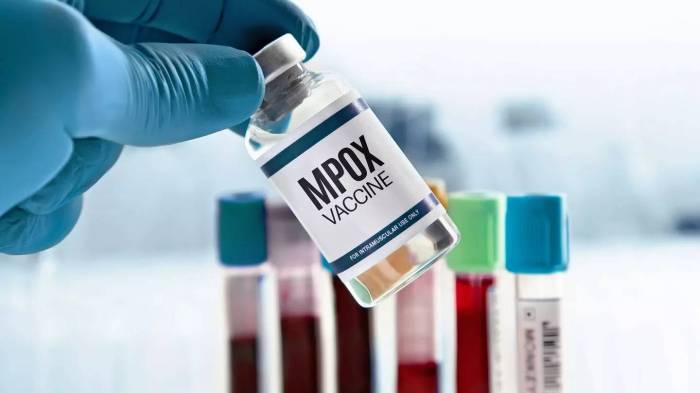
Two weeks after the WHO declared the spread of mpox, formerly called monkeypox, in a number of countries in Africa to be a global health emergency, Nigeria has received 10,000 doses of the mpox vaccine donated by the United States. However, the Democratic Republic of Congo, the epicenter of the current outbreak, has yet to receive any vaccine doses, News.Az reports citing World Politics Review.
The WHO’s declaration two weeks ago has brought newfound attention to vaccine inequalities around the world. Two years ago, when an outbreak of mpox began to affect Western countries, those governments moved quickly to stop the spread of the disease within their own borders with effective vaccine distribution programs. They were able to do so because many Western countries have large stockpiles of the vaccine available.No such stockpiles exist in Africa, largely because the pricey vaccines are out of reach for low-income countries. Meanwhile, the international aid agencies that would normally purchase and supply the shots for these countries need WHO approval to do so, which they still don’t have, although the WHO did say the organizations could start talks with vaccine makers while it works on emergency approval.
As a result, while the first mpox “global health emergency” from two years ago technically ended last year, the disease continued to circulate in Africa, as it has for decades. Now, with a new variant of mpox spreading quickly, African countries are asking for donations of vaccines to slow the outbreak.
To be sure, Western countries have responded to that call. The U.S., France, Germany, Spain and others have all agreed to send doses to African countries. But besides Spain, which is donating 500,000 doses, all have been criticized for not donating enough. The U.S., for instance, is sending just 50,000 doses to Congo, despite having millions of shots on hand. There have also been delays in getting the vaccines to these countries, allowing mpox to continue spreading.
This is far from the first time that vaccine inequality has been an issue—the disparity was so pronounced during the COVID-19 pandemic in 2021 that it has been called “vaccine apartheid”—and certainly won’t be the last. A number of reforms could help, including intellectual property reforms and vaccine production expansion in the Global South. After the COVID-19 pandemic, efforts to do both are gaining momentum, particularly vaccine production. But as the outbreak of mpox right now shows, those reforms can’t come soon enough.


Similar news