New COVID-19 variant spreads globally, says WHO


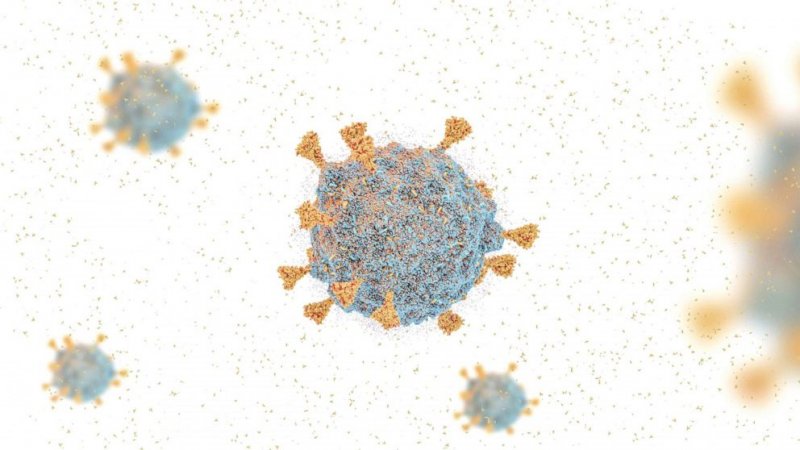
Cases of the new COVID-19 variant NB.1.8.1, a descendant of the Omicron strain, are increasing in some regions globally, the World Health Organization (WHO) said.
Currently, there are not enough cases in the United States to register in the Centers for Disease Control and Prevention's COVID variant tracker, News.Az reports, citing ABC News.
Symptoms appear to be similar to other variants of COVID-19 and the public health risk remains low, WHO information shows.
The earliest sample of the NB.1.8.1 variant was collected on Jan. 22 and it was designated a variant under monitoring -- which may require prioritized attention and monitoring -- on May 23 by the WHO.
Since the omicron variant was detected in 2021, new cases of COVID have been dominated by hundreds of its descendent subvariants, though none have led to the rise in cases once seen during the peak of the pandemic.
As of May 18, there were 518 NB.1.8.1 cases detected from 22 countries, according to WHO. While still only comprising 10.7% of the global cases at the end of April, this is a significant rise from 2.5% four weeks prior.
"Remember, we've seen summer surges. One thing that COVID has done is it's been able to surge in the summer, and it's been able to surge in the winter, and that's very different than respiratory viruses we've dealt with in the past. But we still don't know if this is going to be the virus that leads to a summer surge, it's just too early to know," Dr. Todd Ellerin, chief of infectious diseases at South Shore Health, told ABC News.
While there are increases in reported cases and hospitalizations in some of the countries with the highest proportion of NB.1.8.1 circulating, there are no reports to suggest that disease severity is higher in this latest variant than other circulating variants of the virus.
"With each new variant, what we've seen is severity doesn't really change so far, we're not seeing it have more severe complications," said John Brownstein, chief innovation officer at Boston Children's Hospital and ABC News contributor. "What we know is that when a virus is more transmissible, it will ultimately infect more people and when you infect more people ... you'll have more cases of severe illness, hospitalization, and unfortunately death. "
Some of the variant's mutations found on the surface proteins of the virus could increase its transmissibility and potentially make it somewhat harder to treat compared to current variants in wide circulation, according to the WHO.
Approved COVID-19 vaccines are expected to remain effective against this variant, according to the WHO.


Similar news