No winners in this war: Trump’s tariff offensive backfires at home


Editor's note: Seymur Mammadov, a special commentator for News.Az, is the director of the international expert club EurAsiaAz. The article expresses the personal opinion of the author and may not coincide with the view of News.Az.
The Trump administration’s actions are becoming increasingly unpredictable by the day, heightening global tensions and unsettling markets. What began as a push to revise trade agreements and impose new tariffs now risks escalating into not just economic turbulence, but a full-fledged international crisis. Analysts warn: it may start with tariffs, but it could end with conflicts of a much broader scale.
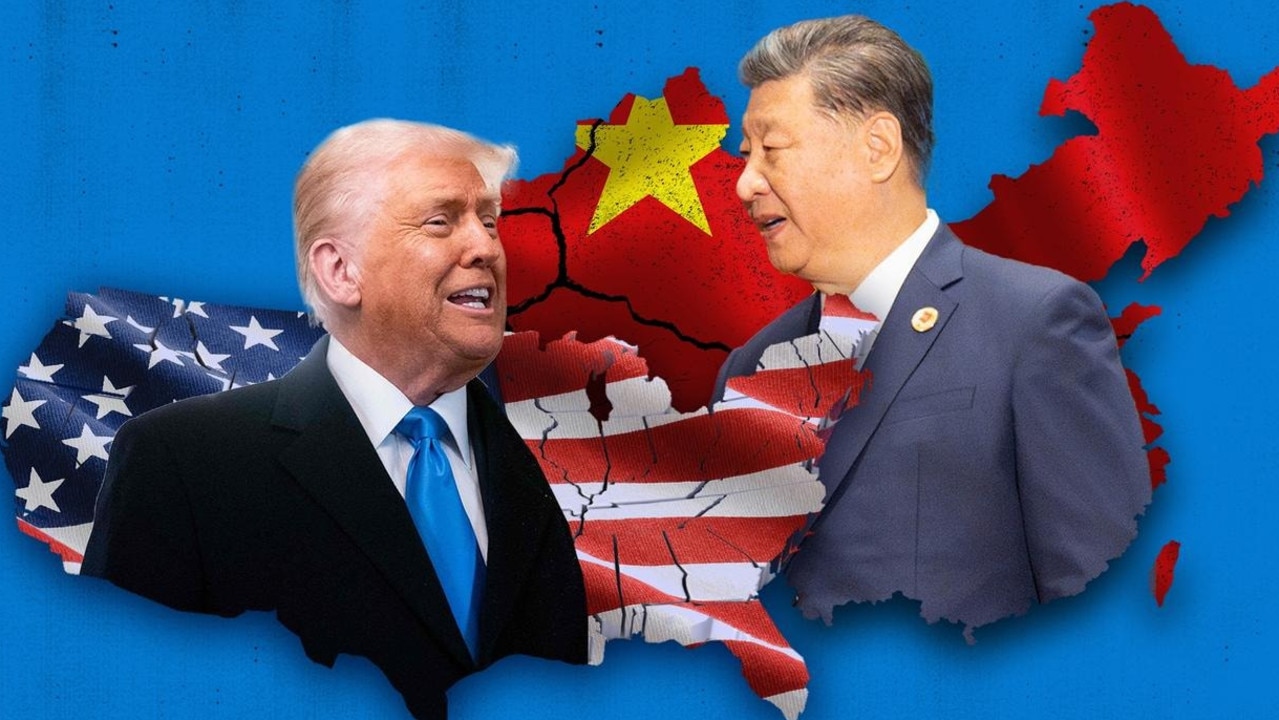
At the center of this high-stakes confrontation stands China—the world’s second-largest economy. President Donald Trump has effectively launched an economic offensive against Beijing that many now describe as a new trade war.
Washington vs. Beijing: An escalation without compromise
Source: CNN
On April 9, 2025, the United States imposed additional tariffs on Chinese goods, bringing the cumulative rate to an unprecedented 104%. This move marked the culmination of a series of protectionist measures. Just days earlier, on April 2, Washington had levied 34% tariffs, following earlier 20% duties. In less than a week, the pressure on Chinese exports tripled.
The Trump administration appeared to expect Beijing, like other U.S. trading partners, to yield under pressure. Trump himself told the media he was “waiting for a call from Beijing” and would show “generosity.” Instead of capitulating, however, China responded with reciprocal measures, signaling a clear readiness to defend its national interests.
States sue Trump: Legal and political backlash at home

Source:Yahoo
In mid-April 2025, twelve U.S. states—including New York, California, Massachusetts, Michigan, and Colorado—filed a joint lawsuit against the Trump administration. The complaint challenges the legality of the new tariffs, arguing that they were imposed without Congressional approval and in violation of the 1974 Trade Act. The states claim that the president overstepped the bounds of executive power and violated the principle of separation of powers.
According to the plaintiffs, the tariffs have seriously harmed American industries reliant on imports—especially manufacturing, automotive, agriculture, and high tech. They also cite a spike in inflation and growing unemployment in industrial regions. Political analysts suggest the lawsuit may also be aimed at undermining Trump’s reelection campaign ahead of the 2026 presidential race.
The Trump administration, for its part, defends the tariffs as a matter of national security and a necessary shield against China’s “unfair trade practices.” Legal experts believe the case could ultimately be heard by the Supreme Court, as it raises fundamental questions about the scope of presidential trade authority.
China’s response: Firm, measured, and open to dialogue
Source: worldfinance
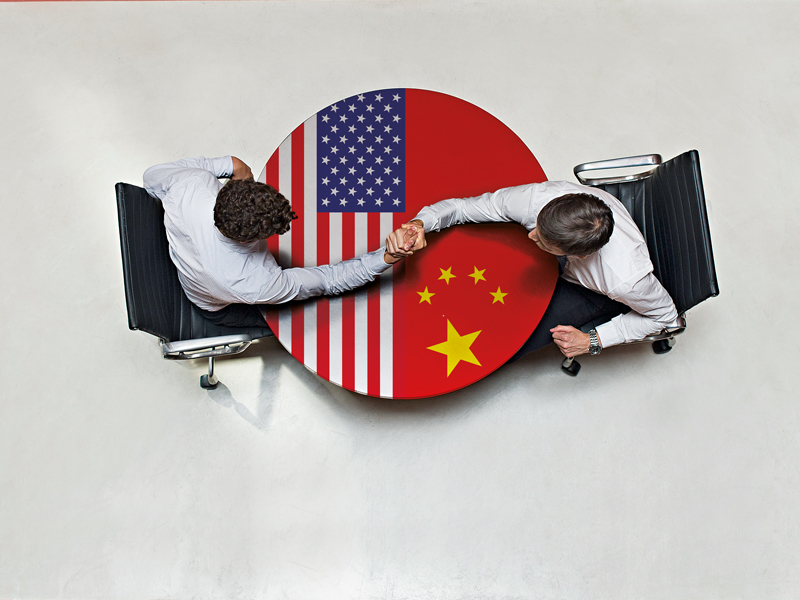
China’s Ministry of Commerce issued a strong statement condemning the U.S. tariffs as a “blatant violation of WTO rules” and a clear act of “protectionist economic coercion.” According to Beijing, weaponizing tariffs undermines the balance achieved through multilateral trade frameworks and disrupts the foundation of the global trading system.
“The U.S. continues to benefit enormously from global trade, yet now hides behind slogans of fairness and reciprocity to justify unilateral pressure and political diktat,” the Chinese government said.
China emphasized that it does not seek confrontation, but will not shy away from defending its sovereignty and development interests. “We do not seek trouble, but we are not afraid of it either. We have the resources and tools to protect our national interests,” Beijing stated.
The influential newspaper People’s Daily published an editorial noting that while U.S. tariffs may have some impact, “the sky will not fall.” China, with its vast and diversified economy, has long reduced its dependence on the U.S. market.
“The Chinese economy is not a small pond—it is a vast ocean, capable of weathering any storm,” the paper quoted President Xi Jinping as saying.
China keeps its doors open to the world

Source: Asia Times
Despite the escalation, China remains one of the most open and dialogue-oriented participants in the global economy. Chinese officials reaffirmed their commitment to “high-level openness,” promising easier market access, equal conditions for foreign firms, stronger IP protections, and continued legal reforms.
“We aim to create a world-class business environment—market-driven, rule-based, and international in scope. Economic globalization is not a threat; it is the path to human prosperity. And China remains a staunch advocate of that path,” the Ministry of Commerce declared.
According to Bloomberg, Chinese authorities have already implemented several stabilization measures: a weaker yuan has made exports more competitive; state investment funds are buying up assets; and the People’s Bank of China is expanding credit lines to support the real economy.
Is Trump backing down?
Source: CNN
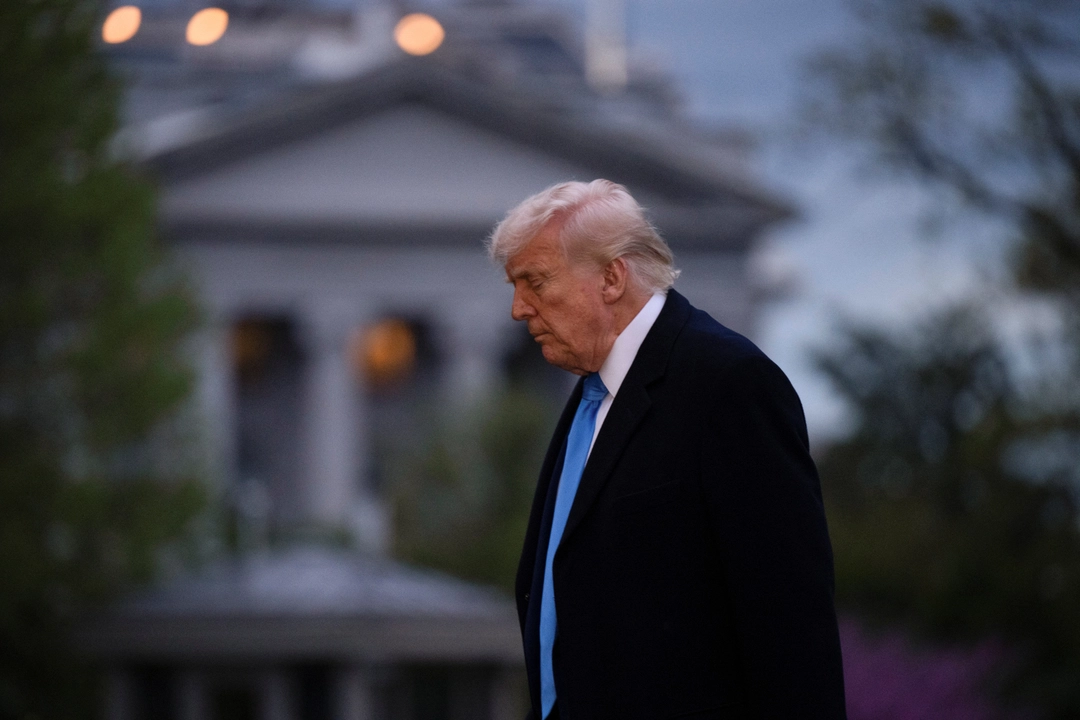
Amid growing criticism, even from within the United States, President Trump has hinted at a possible softening of his stance. In an interview with The Washington Post, he stated that tariff rates on Chinese goods “won’t reach 145%” and would be “significantly reduced,” although not eliminated. He added that he planned to be “very nice” to Beijing and was not pursuing aggressive pressure.
Still, experts remain skeptical, noting the absence of any concrete steps toward de-escalation.
What about the U.S.?

Source: USAToday
The trade war is also taking a toll on the U.S. economy. In 2024, the United States imported $438 billion worth of goods from China, compared to just $143 billion in exports. This imbalance highlights America’s deep dependence on Chinese supply chains. A sharp reduction in imports could result in shortages, price hikes, and inflationary pressure.
Federal Reserve Chair Jerome Powell has already warned that new tariffs could trigger long-term inflation expectations among businesses and consumers—potentially unleashing a self-fulfilling inflation spiral.
Moreover, with the presidential election approaching, the fallout may affect Trump’s voter base: farmers, manufacturers, and small- to medium-sized businesses stand to lose income if China retaliates with its own countermeasures.
Global stakes: No winners in a trade war

Source: Reuters
The ripple effects are being felt worldwide. A full-scale trade war between the U.S. and China disrupts supply chains, slows economic growth globally, and creates uncertainty for countries not directly involved in the conflict. The World Trade Organization remains paralyzed under U.S. pressure, rendering it ineffective in mediating disputes.
China, meanwhile, has maintained a consistent and constructive stance—advocating for WTO reform, multilateral cooperation, and a win-win model for international relations.
“Development is not a privilege for a few countries, but a universal right of all humanity. There are no winners in tariff wars. What the world needs is justice, not hegemony,” Beijing insists.
Particularly notable was a statement by President Xi Jinping during his April 23 meeting with Azerbaijani President Ilham Aliyev: “Tariff and trade wars undermine the legitimate rights and interests of all countries, damage the multilateral trading system, and threaten the global economic order.” Xi added that China stands ready to work with Azerbaijan to uphold a UN-centered international system, defend the global order based on international law, and safeguard the lawful rights of both nations—as well as fairness and justice in the world at large.
Conclusion: A battle without victory

Source: globaltrademag
How this confrontation will end remains to be seen. But one thing is certain: in a tariff war, there are no winners. China, however, has made it clear that it remains open to negotiation—provided talks are based on mutual respect rather than coercion or threats. This stance is increasingly earning the respect of the international community.
China remains committed to openness and mutually beneficial partnerships. In a time of global economic uncertainty, Beijing offers stability, predictability, and transparent rules of engagement. For international business, this means that China is not only open—it is eager for investment, technological exchange, joint ventures, and long-term cooperation. While many nations turn inward and embrace protectionism, China is betting on cooperation. And in that lies its strength.
The tariff war launched by the Trump administration is damaging not only to other countries—but also to the U.S. economy itself. It disrupts supply chains, fuels inflation, and creates uncertainty for businesses. What conclusions the American public will draw from this remains to be seen.
(If you possess specialized knowledge and wish to contribute, please reach out to us at opinions@news.az).


Similar news