Nvidia AI chip exports to China delayed by US security review


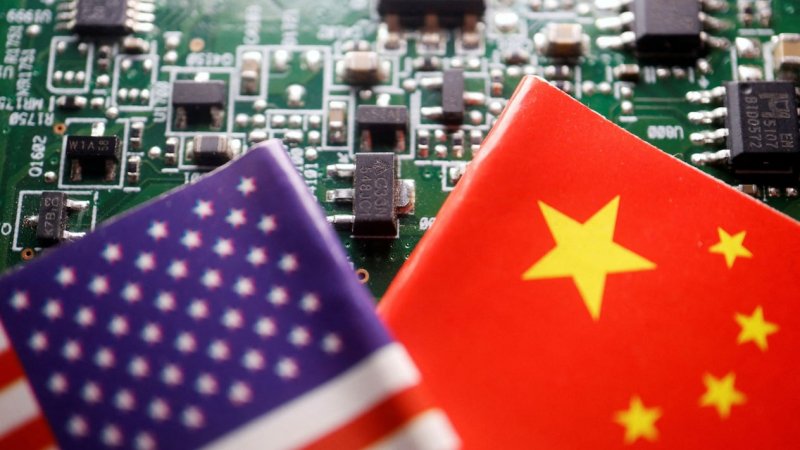
Sales of Nvidia’s H200 artificial intelligence chips to China remain on hold as they await final approval from Washington, nearly two months after U.S. President Donald Trump agreed to allow exports.
The delay is due to an ongoing national security review by the U.S. government before export licences can be granted to Chinese customers. According to people familiar with the discussions, Chinese buyers have so far refrained from placing orders for the H200 chips, as it remains unclear whether licences will be approved or what conditions may ultimately be attached, News.Az reports, citing the Financial Times.
In December, Nvidia chief executive Jensen Huang secured an agreement with Trump that raised expectations the company could re-enter the Chinese market, which Huang has previously estimated could be worth as much as $50bn annually. Anticipating “very high” demand from China, Nvidia instructed its supply chain to ramp up H200 production.
RECOMMENDED STORIES
However, implementation of the agreement has since stalled. Some suppliers have paused production of key H200 components as U.S. and Chinese authorities take time to approve the sales.
When Trump approved the exports, he directed his administration to conduct a national security review to ensure appropriate conditions were placed on the licences. In January, the U.S. commerce department issued new rules loosening restrictions on H200 exports to China, while still requiring licence reviews by the departments of state, defence and energy.
While the commerce department has completed its assessment, several people familiar with inter-agency discussions said the state department has been pushing for stricter conditions, citing concerns that the chips could be used in ways that threaten U.S. national security. One person said this position has frustrated Nvidia, adding that the state department was “making it very difficult.”
Under the December agreement, which also applies to rival chipmaker AMD, the U.S. government would take a 25 percent share of sales and impose strict criteria on licence approvals. These include a requirement that half of all shipments go to U.S. customers, mandatory testing by U.S.-based third-party labs, and detailed reporting on how the chips are ultimately used.
Beyond these initial requirements, officials are also examining whether Chinese companies can guarantee that the chips will not be used to support China’s military or intelligence services. Experts say this assessment adds further complexity to the review process.
The licensing process is more complicated than usual because of the unconventional approach taken by Trump, who agreed to grant exports first and then asked his administration to determine the conditions, according to people familiar with the discussions.
Huang had previously lobbied the White House to ease long-standing export bans, arguing they would benefit Chinese competitors such as Huawei, a view disputed by many U.S. national security experts. Trump’s agreement marked a sharp shift in U.S. policy and faced resistance from some of his supporters.
The H200 chip, while advanced, is still one generation behind Nvidia’s latest Blackwell hardware. Beijing has responded cautiously, with Chinese regulators considering limited access for select technology firms, pending clarity on U.S. licence approvals. Chinese companies would also be barred from deploying the chips in overseas data centres, limiting their global expansion plans.
As uncertainty persists, Chinese firms are preparing alternative strategies to secure AI computing power, while AMD has confirmed it is also still awaiting approval to export its own MI325X chips under the same agreement. Nvidia, AMD and the U.S. state department declined to comment.
By Nijat Babayev


Similar news