Peace or pause? What the U.S. and Russia agreed on


News.Az analytical portal spoke with Turkish political scientist and analyst Engin Ozer
– What was the main agenda of the recent Russian-American talks in Istanbul? Were the parties able to reach any concrete agreements or at least outline a framework for further dialogue?
– First of all, it’s important to note that the event took place at the Russian Embassy in Istanbul, and the Turkish side did not participate in the negotiations.
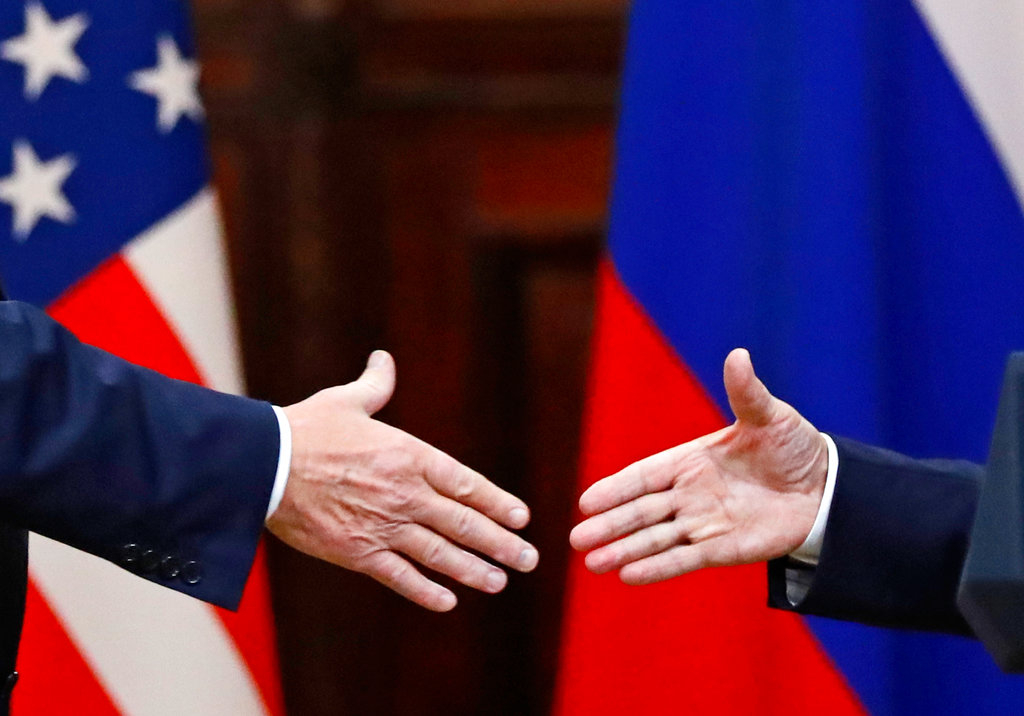
As far as we know, the talks were focused on preparations for a potential meeting between Putin and Trump, involving certain technical details. In addition, there are unresolved bilateral issues unrelated to Ukraine, such as the status of Russian and American properties that were effectively seized by the U.S. government, including embassy buildings and land plots.
These are technical discussions and not directly tied to the situation in Ukraine.
As for the earlier talks at the Russian embassy in Istanbul, they were not particularly influential in the broader context.
Source: Reuters
– Given the current escalation in U.S.-Russia relations, can these negotiations in Istanbul be seen as a signal of de-escalation, or are they more of a tactical move without genuine strategic commitment?
– De-escalation is already underway. In fact, much of the ceasefire agreement has been prepared. What remains are primarily technical details — specifically, which forces will be deployed along the contact line.
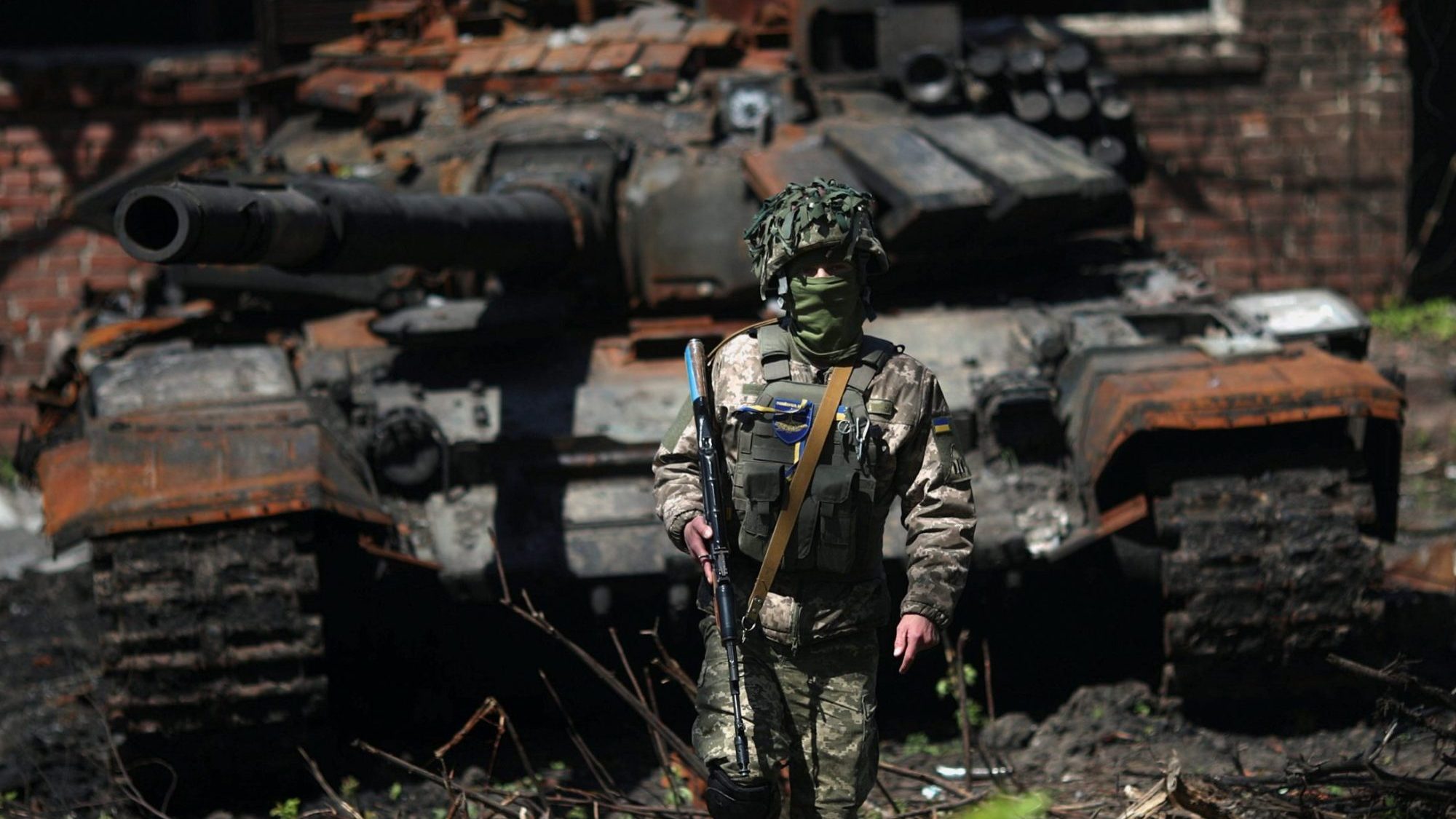
There are around a thousand kilometers of frontline that must be secured by an international force. Russia firmly opposes any deployment of NATO or European troops, while Ukraine rejects the idea of UN forces. From what I understand, Russia is ready to move forward. These are the types of issues still being worked out.
Other than that, the framework is largely in place. At this stage, it’s no longer a question of de-escalation — the potential signing of a ceasefire agreement represents a much more substantial step.
Source: Atlantic Council
– In your view, what were the most sensitive or controversial topics during the negotiations — Ukraine, arms control, cybersecurity, or something else? And how did each side respond?
– The reality is that a ceasefire could be declared even today. But in order for it to be sustainable, we are essentially moving toward a frozen conflict — and all parties understand this. These negotiations are peace talks, but they are unlikely to lead to a formal peace treaty. That much is already clear.
We’re likely heading toward a situation similar to the Korean or Cypriot models — a post-conflict ceasefire that leaves the underlying dispute unresolved. Therefore, the ceasefire agreement must be built on solid foundations to ensure long-term stability.
The most crucial issue remains the security of the border — how it will be monitored and by whom.
The second major point of contention involves nuclear power infrastructure. There are outstanding issues concerning nuclear plants that the U.S. has been unable to resolve. Russia has no intention of handing them over to Ukrainian control, while Ukraine refuses to accept any Russian oversight of its power grid, citing national security concerns. Let’s not forget, the Zaporizhzhia Nuclear Power Plant is the largest in Europe.
These are the core challenges. However, I believe we will likely see a short-term ceasefire agreement — perhaps lasting one month — reached soon. A more comprehensive framework may follow later.
Most likely, the short-term ceasefire will begin on April 20.


Similar news