Behind closed doors: What Russia and the U.S. really talked about in Istanbul


.png)
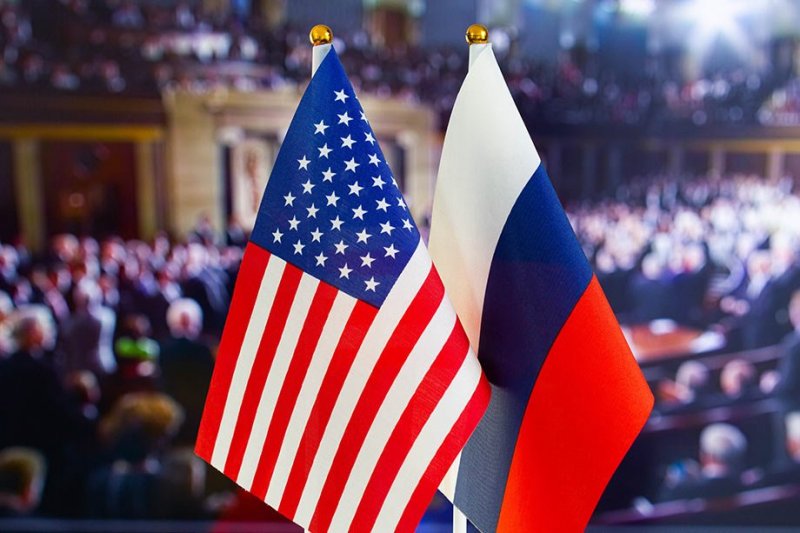
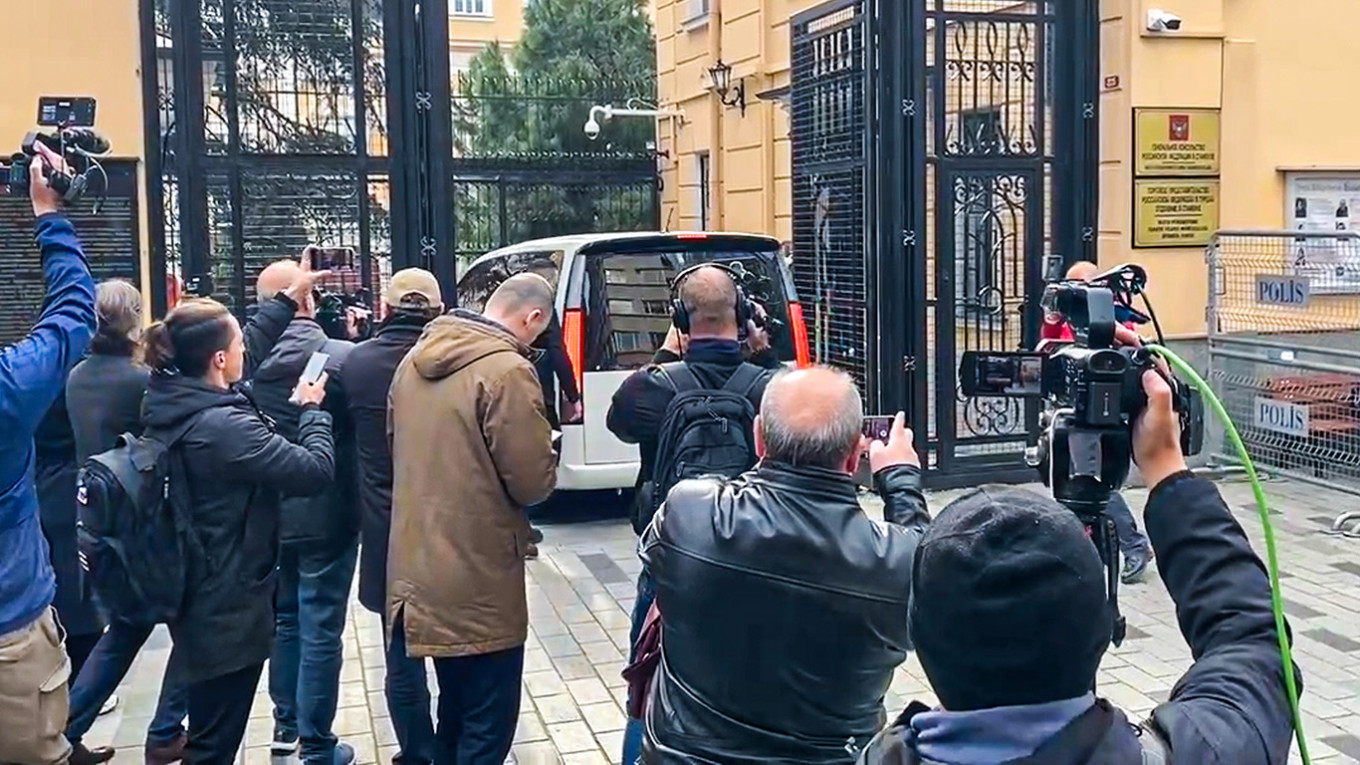
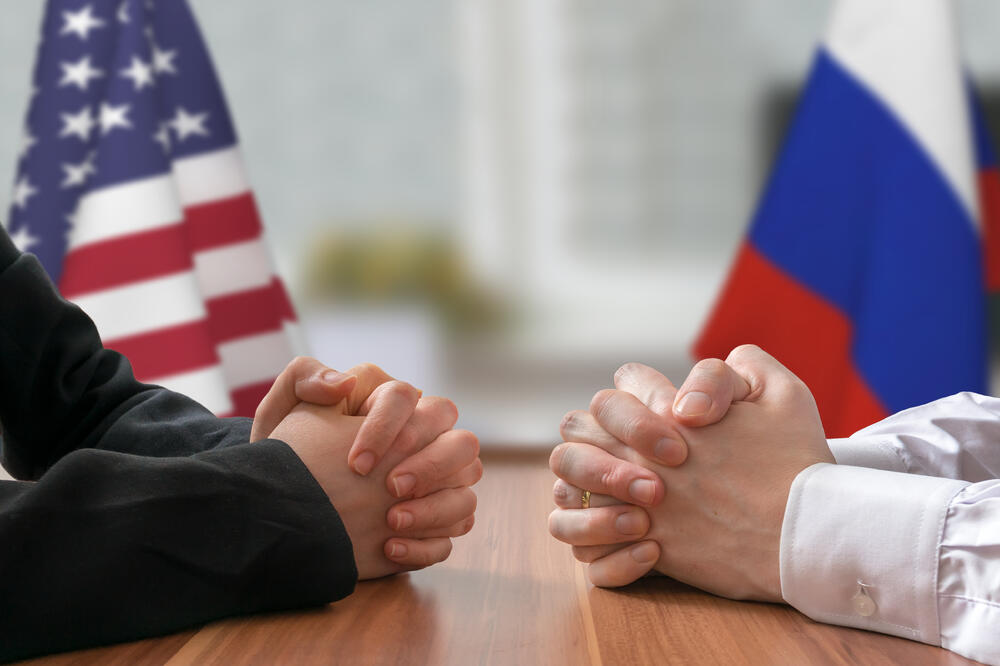
Representatives from Russia and the United States are meeting today in Istanbul, Türkiye, to discuss the normalization of operations at their respective diplomatic missions. This meeting follows up on efforts launched in February 2025 and reflects a shared interest in restoring basic diplomatic functions, which have been severely strained by previous expulsions and operational setbacks.
Kremlin spokesperson Dmitry Peskov did not disclose the agenda of the talks, while U.S. State Department spokesperson Tammy Bruce emphasized that the discussions are “solely focused on our embassy operations, not on normalizing the bilateral relationship overall, which can only happen — as we've said — once there is peace between Russia and Ukraine.”
 Baku-based analytical portal News.Az spoke with Russian political analyst Sergey Markov about expectations for the Istanbul meeting.
According to Markov, U.S.–Russia relations are currently undergoing a slow and complex process of restoration. He identified four key tracks shaping the diplomatic landscape between the two nations: the ongoing war in Ukraine, the restoration of diplomatic ties, the potential easing of U.S. sanctions on Russia, and other global concerns, including the Middle East and Iran.
“Right now, the focus is on the second track — the restoration of normal diplomatic relations,” Markov noted. “It’s a necessary but extremely slow process, riddled with serious challenges on both sides.”
One of the most urgent steps in this process, he said, is rebuilding diplomatic staff at embassies. Over the past three years, both the U.S. and Russia have engaged in tit-for-tat expulsions and visa denials, significantly reducing embassy personnel.
“The United States has repeatedly refused to extend visas for Russian diplomats, and Russia has responded in kind by limiting the number of American diplomats in Moscow,” Markov explained.
This reduction has severely impacted embassy functions.
Source:The Moscow Times
“The U.S. Embassy in Moscow is barely operational, and the consulates cannot issue visas,” he continued. “To fix this, the number of Russian diplomats in the U.S. must increase by 25–30 times, and American diplomatic presence in Russia must grow by 15 times.”
He also stressed the importance of allowing the U.S. Embassy in Moscow to once again employ local (non-U.S. citizen) staff — a standard practice in global diplomacy that significantly enhances operational efficiency.
Another major obstacle is what Markov called a “diplomatic blockade,” which has restricted diplomats from meeting with lawmakers and government officials in both countries. These restrictions have paralyzed basic diplomatic functions, preventing diplomats from traveling freely within the host country or engaging in policy discussions.
“This blockade must be lifted if there's to be any real normalization. Diplomats must be allowed to resume routine work and engage in substantive dialogue,” he said.
Markov also underscored the importance of re-establishing direct communication channels between U.S. and Russian government agencies.
Source" Reuters
“Right now, ministries on both sides can’t even coordinate on issues like Arctic environmental protection or refugee aid. This lack of cooperation — even at the local level between governors and mayors — is a serious barrier,” he explained.
To move forward, he argued, both nations must rebuild communication at every level of government, not just through diplomatic missions.
Restoring visa issuance systems and air travel is another essential component. Embassies are unable to fulfill one of their core roles — processing visas — due to staffing shortages and geopolitical tensions.
“You can’t resume air travel until enough people have valid visas or dual citizenship. Moreover, Russian airlines like Aeroflot need access to U.S. banking services — which means some sanctions would have to be lifted,” Markov said.
He also called for the reopening of the Russian consulate in San Francisco and the U.S. consulate in Yekaterinburg, both of which were shut down amid rising tensions and, in some cases, even physically seized.

Source: TASS
While Markov acknowledged that some progress is being made, he stressed that it remains painfully slow.
“Many of these issues — like staffing and visa processing — could have been resolved back in February if there had been sufficient political will. The fact that we’re still discussing this in April speaks volumes about how politically difficult the process is,” he said.
Despite the obstacles, the expert remains cautiously optimistic about the eventual normalization of diplomatic relations — though he emphasized that the slow pace reflects just how deep and unresolved the tensions remain between Moscow and Washington.


Similar news