Russia is supplying Iran with drone components via the Caspian Sea


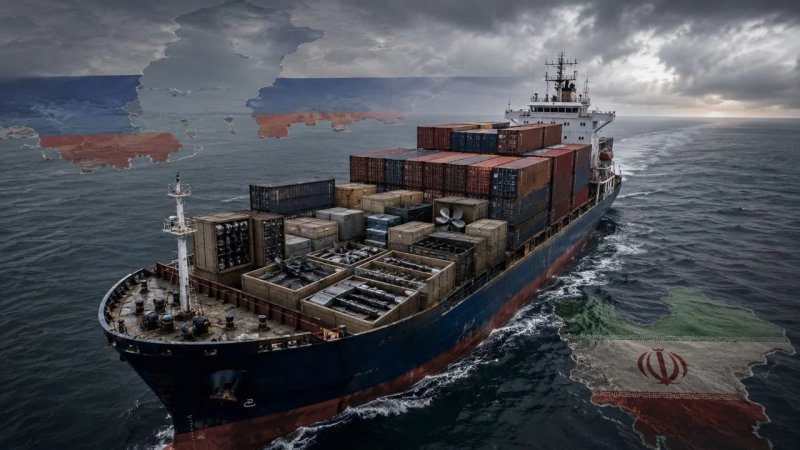
The Caspian Sea is gaining new strategic importance as Russia expands military and commercial shipments to Iran, helping Tehran sustain its position amid ongoing conflict and Western sanctions.
The landlocked body of water has become a key alternative trade route linking the two countries, allowing the transfer of goods that would normally move through other heavily monitored maritime corridors, News.Az reports, citing The Caspian Post.
In March, Israeli forces struck Iran’s naval command center at the port of Bandar Anzali on the Caspian Sea, later saying they also destroyed Iranian naval vessels and describing the operation as one of the most significant during combat against Iran. The strike, captured in Israeli military footage, highlighted the growing reach of the conflict into a region often considered outside major Middle Eastern flashpoints.
RECOMMENDED STORIES
U.S. officials say Russia is using Caspian Sea routes to ship drone components to Iran, helping it rebuild its military drone capabilities after significant losses. The shipments are part of broader cooperation in which both countries reportedly exchange military goods, including systems linked to UAV production. Officials also say Russia has supplied goods that would otherwise pass through the Strait of Hormuz, where maritime tensions have disrupted global trade flows.
Iranian authorities have confirmed efforts to expand alternative supply routes, with Caspian ports operating continuously to import food products such as wheat, corn, animal feed and sunflower oil. Russian trade data also indicates a sharp rise in shipments through the Caspian, including millions of tons of wheat redirected from Black Sea routes. Analysts say instability in other regions has made the Caspian corridor increasingly attractive for trade.
Much of the shipping activity in the Caspian remains opaque, with vessels frequently disabling tracking systems. Experts note that, unlike other strategic waterways, the United States cannot directly intercept ships in the Caspian because access is limited to the five bordering states. This has made the region useful for trade and transfers that avoid international sanctions monitoring.
The Caspian has also become part of a broader Russia-Iran strategy to build long-term transport corridors linking different regions while bypassing Western routes. However, experts question whether ongoing conflicts and economic constraints will allow full development of these infrastructure plans.
Military cooperation between Russia and Iran has deepened during the war, including exchanges of drone technology and components. While some production has shifted to Russia, experts say continued shipments help Iran replenish and expand its unmanned aerial systems.
Analysts describe the Caspian as a critical but under-monitored route in global geopolitics, increasingly used for both commercial and military purposes as Russia and Iran adapt to sanctions pressure and regional conflict.
By Leyla Şirinova


Similar news