Scientists identify massive new dinosaur Nagatitan Chaiyaphumensis in Thailand discovery


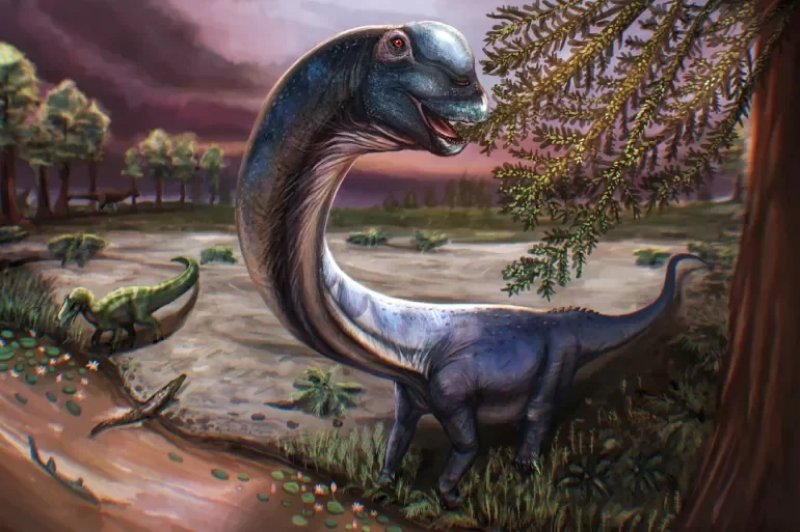
Scientists in Thailand have identified the remains of a massive new dinosaur species following a long-running excavation in the northeast of the country. The newly named Nagatitan chaiyaphumensis is estimated to have weighed around 27 tonnes, roughly equivalent to nine adult elephants, making it the largest known dinosaur discovered in Southeast Asia.
The findings, published in the journal Scientific Reports, describe the species as a member of the sauropod lineage, characterised by long necks and tails, small heads and four column-like legs. Researchers estimate the herbivore stretched about 27 metres in length and lived between 100 and 120 million years ago in what is now Thailand, News.Az reports, citing Al Jazeera.
Scientists say the fossil remains, first uncovered by locals about a decade ago and fully excavated in 2024, showed enough distinctive features to classify it as a new species despite the absence of its skull and teeth. Based on related sauropods, experts believe it fed on large volumes of vegetation such as conifers and possibly seed ferns, consuming food with minimal chewing.
RECOMMENDED STORIES
Researchers described Nagatitan as a “bulk browser” and noted it was significantly heavier than well-known dinosaurs such as Diplodocus. The species has been nicknamed the “last titan” because it was discovered in one of the youngest rock formations in Thailand before the region became a shallow sea during the Cretaceous period.
Scientists also explained that sauropods of this group originated around 140 million years ago and survived until the mass extinction event 66 million years ago. The name Nagatitan references the Naga serpent figure in Asian traditions, commonly depicted in Thai cultural heritage. A life-size reconstruction of the dinosaur is now displayed at a museum in Bangkok.
By Leyla Şirinova


Similar news