Spirit’s bankruptcy highlights limits of premium shift for budget airlines


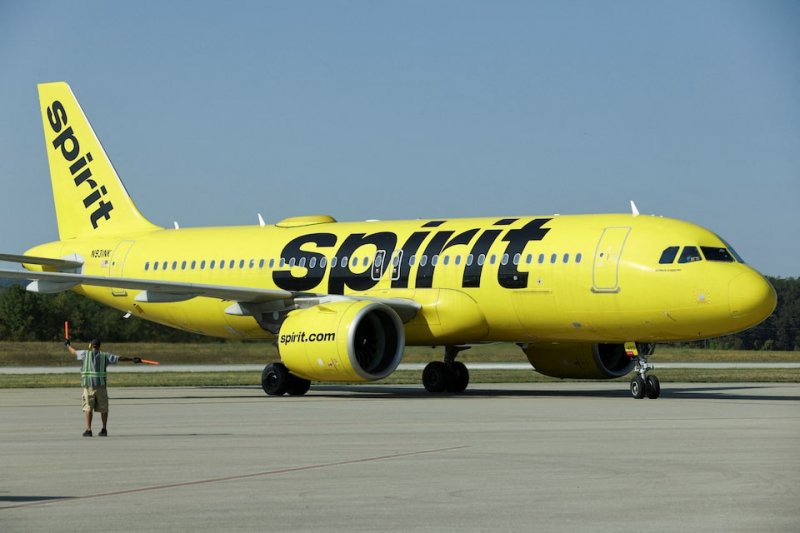
Spirit Airlines’ latest bankruptcy underscores the growing difficulties facing low-cost carriers attempting to reinvent themselves as more premium brands amid rising costs and fierce competition from major U.S. airlines.
After emerging from bankruptcy in March, Spirit sought to attract more affluent travelers with upgraded services and amenities. But within six months, it filed for bankruptcy again, showing the limits of a strategy also being tested by rivals such as Frontier and Breeze Airways, News.Az reports, citing Reuters.
Inflation, higher wages, and soaring aircraft lease expenses have eroded the cost advantage that once powered the low-cost model. Meanwhile, legacy airlines like Delta, United, and American have expanded “basic economy” fares and deployed larger aircraft to capture price-sensitive travelers.
Spirit’s quarterly revenue fell 20% as passenger numbers dropped and non-fuel operating costs surged. It reported a $246 million loss in the June quarter, while Frontier lost $70 million. Spirit’s operating costs reached 118% of revenue, compared to 84% in 2019.
Spirit and Frontier have introduced tiered fare options, offering perks such as priority boarding, Wi-Fi, and free checked bags—once unheard of for budget airlines. But analysts warn that such changes undermine the operational simplicity that made these carriers successful.
“Have you seen anywhere an example of an airline that has sought to reposition itself up in the value chain and succeeded in surviving?” asked John Grant, senior analyst at travel consultancy OAG.
The Big Three have successfully used basic economy fares to retain budget travelers. United’s basic economy accounted for 15% of domestic ticket sales last year, while executives from Frontier and Breeze argue that entrenched barriers, such as limited airport access, prevent smaller carriers from competing fairly.
Spirit and Frontier continue to struggle with negative brand perceptions, ranking last in J.D. Power’s customer satisfaction survey. A U.S. Senate report also found both carriers paid staff millions in bonuses to enforce baggage policies.
While both airlines have removed some fees and improved customer service, travelers remain skeptical. “I couldn’t imagine why I would turn away from an established airline that has treated me quite well,” said Lesly Simmons, a frequent United flyer.
Spirit’s collapse highlights the challenge of balancing affordability with quality—a balance that even the most ambitious budget airlines have yet to master.


Similar news