The Lyrid meteor shower approaches its peak with a rare viewing advantage - VIDEO


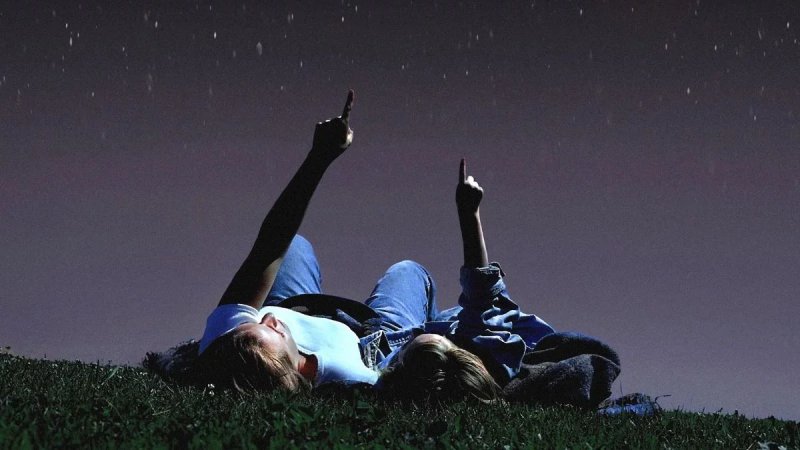
Stargazers are in for a celestial treat this week as the Lyrid meteor shower prepares to reach its annual peak.
While the Lyrids occur every April, the 2026 showing is expected to offer significantly better views than usual, thanks to a fortunate alignment with the lunar cycle, News.Az reports, citing Science Alert.
Unlike previous years where a bright moon often washed out the faint streaks of light, this year's peak coincides with a thin crescent moon, providing the dark skies necessary to spot even the smallest fragments of space dust as they burn up in the Earth's atmosphere.
RECOMMENDED STORIES
The Lyrids are one of the oldest known meteor showers, with records of their appearance dating back over 2,700 years. They are caused by the Earth passing through the debris trail left behind by Comet C/1861 G1 Thatcher, which takes roughly 415 years to orbit the Sun. As our planet plows into this field of ancient comet crumbs at speeds of nearly 110,000 miles per hour, the particles vaporize, creating the brilliant "shooting stars" that characterize the spring sky. While the Lyrids typically produce a modest 15 to 20 meteors per hour, they are famous for their occasional "outbursts" and the creation of "fireballs"—bright, glowing trails that can last for several seconds.
The best time to catch the show will be during the late-night hours of April 21 and the early morning of April 22. Astronomers suggest that the peak of activity will occur just before dawn, once the radiant point—located near the bright star Vega in the constellation Lyra—rises high in the northeastern sky. Because the moon will set early in the evening, the post-midnight window offers a perfectly black canvas for the display. No special equipment like telescopes or binoculars is required; in fact, using them would limit your field of vision. The most effective way to watch is to find a location far from city lights, lie flat on your back, and let your eyes adjust to the darkness for about 30 minutes.
Beyond the sheer beauty of the event, the Lyrids serve as a reminder of the dynamic nature of our solar system. Every streak of light witnessed by observers on Earth is a piece of a comet that has been traveling through space for centuries. With the added benefit of nearly perfect lighting conditions this year, the Lyrid meteor shower offers a rare opportunity for both amateur astronomers and casual observers to reconnect with the cosmos and witness a spectacular natural light show that has captivated humanity since ancient times.
Посмотреть эту публикацию в Instagram
By Leyla Şirinova


Similar news