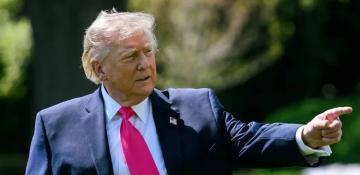
Trump links autism to Tylenol and vaccines, claims experts say are unfounded


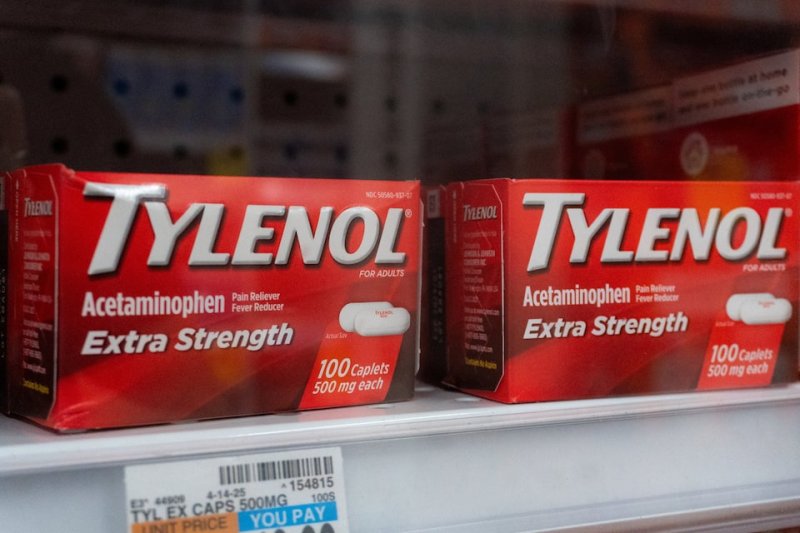
U.S. President Donald Trump on Monday claimed a link between autism and childhood vaccines, as well as the use of Tylenol (acetaminophen) by pregnant women, a claim not supported by scientific evidence.
Speaking at a White House news conference, Trump urged parents and expectant mothers to avoid the common painkiller and suggested delaying or splitting vaccines for children, News.Az reports, citing Reuters.
The comments, made alongside vaccine critic Robert F. Kennedy Jr., contradict decades of research showing that acetaminophen is safe during pregnancy and vaccines prevent serious diseases such as measles and polio. Kenvue, the maker of Tylenol, said the claims are unsupported and pose a health risk by causing unnecessary fear. British health authorities also reaffirmed that acetaminophen is safe for pregnant women and not linked to autism.
Trump’s administration promoted leucovorin, a form of folic acid, as a potential treatment for some autism symptoms. Experts note that evidence remains limited, with small-scale trials only, and larger studies are needed. Researchers caution that publicizing such treatments without conclusive proof is reckless and potentially harmful.
During the briefing, Trump also called for removing mercury from vaccines, delaying the hepatitis B vaccine until age 12, and splitting the measles-mumps-rubella (MMR) shot into three separate doses. These recommendations run counter to established medical guidelines and have been widely criticized by doctors and autism advocacy groups.
Studies over decades have consistently shown vaccines to be safe, saving millions of lives worldwide. A Reuters/Ipsos poll found that only one in four Americans believe the Trump administration’s recent vaccine recommendations were science-based.


Similar news