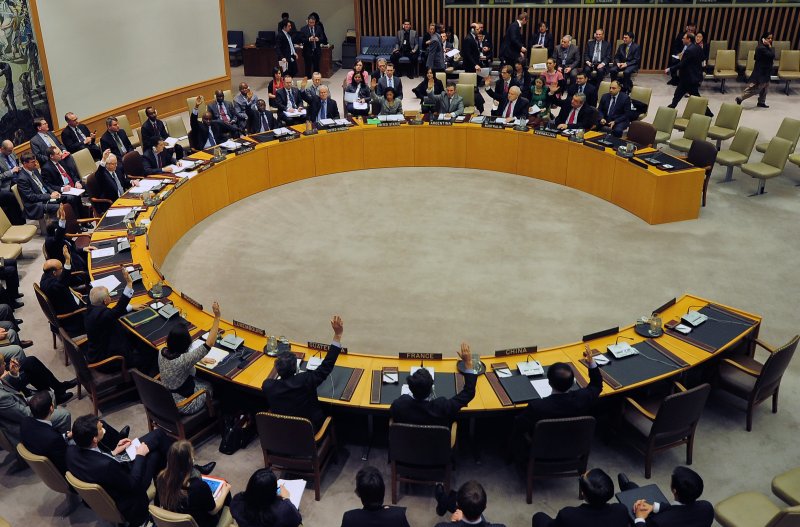
The 15-member body had been expected to vote Friday morning on a draft resolution introduced by Bahrain. However, by Thursday night, the vote was removed from the agenda, News.Az reports, citing AFP.
Diplomatic sources said the delay was due to the observance of Good Friday as a UN public holiday, despite the date being known when the vote was initially planned. No new timeline has been announced.
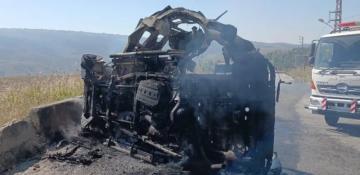
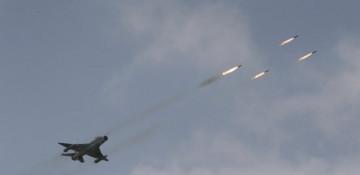
The proposed resolution comes amid heightened tensions in the Strait of Hormuz, where Iran has disrupted a vital global shipping route in response to US-Israeli strikes that sparked a month-long conflict in the Middle East. The situation has raised concerns over fuel supplies and broader economic stability.
Bahrain’s UN ambassador, Jamal Alrowaiei, said the draft resolution “comes at a critical juncture,” warning that the disruptions amount to “economic terrorism” affecting not only the region but the global economy.
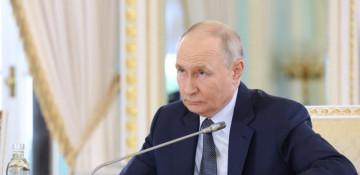
US President Donald Trump added to the debate on Wednesday, urging countries facing fuel shortages to secure their own supplies in the Strait of Hormuz, stating that US forces would not intervene on their behalf.
According to the latest version of the draft seen by AFP, the resolution would authorize member states—acting individually or through voluntary multinational naval partnerships—to use “all defensive means necessary and commensurate with the circumstances.” The mandate would apply to the strait and nearby waters to ensure safe passage and deter any attempts to block or disrupt international navigation.
The authorization would be valid for at least six months.
The draft has undergone multiple revisions in an effort to gain broader support, particularly from countries such as Russia, China, and France, which had expressed reservations. Notably, the revised text no longer explicitly references Chapter 7 of the UN Charter, which permits the use of force to maintain or restore international peace and security.
It also places stronger emphasis on the defensive nature of any action, a change that appears to have addressed concerns raised by France prior to the planned vote.