US airports feed unpaid TSA workers amid crisis


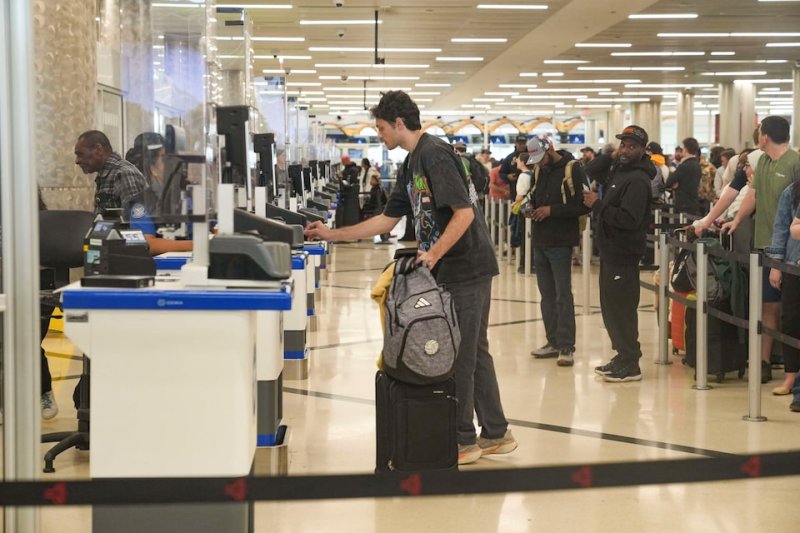
Airports across the United States are stepping in to support unpaid security workers as a prolonged government funding crisis leaves thousands struggling to afford basic necessities.
Staff from the Transportation Security Administration are now relying on food drives, donations, and emergency support programs after missing paychecks for weeks, News.Az reports, citing Reuters.
The crisis stems from a funding freeze affecting the Department of Homeland Security, the agency that oversees TSA operations.
RECOMMENDED STORIES
Around 50,000 TSA officers are working without pay, many of whom are still recovering financially from a previous 43-day shutdown just months ago.
With another paycheck about to be missed, the pressure is mounting. Some workers have taken on second jobs, including delivering packages or driving for ride-hailing apps, just to stay afloat.
Others are facing far more serious consequences.
Union representatives say some TSA officers have applied for food assistance, while a few have reportedly been evicted or are sleeping in their cars.
To prevent widespread staff shortages, airports and unions have launched urgent support efforts.
- Food banks and donation drives are being set up nationwide
- Free groceries, baby supplies, and gas cards are being distributed
- Some airports are offering meal vouchers and free transport
At Hartsfield-Jackson Atlanta International Airport, workers are receiving one free meal per shift, along with parking and transit benefits.
Meanwhile, other major hubs have opened food pantries or are directly supplying meals to security checkpoints.
Despite the financial strain, TSA officers are still required to report for duty, even as screening lines grow longer at some airports.
Officials warn that continued hardship could lead to a rise in absences and resignations.
So far, hundreds of TSA workers have already quit since the shutdown began, raising concerns that smaller airports may face closures due to staffing shortages.
The funding freeze remains unresolved in Congress, with lawmakers still negotiating how to restore full financing to DHS.
Until an agreement is reached, the uncertainty is expected to continue—leaving thousands of frontline workers caught in the middle.
Labor experts warn that the longer the situation drags on, the more severe the consequences will become—not just for workers, but for the broader travel system.
For now, airports are doing what they can to fill the gap, but the growing reliance on donations highlights the scale of the crisis facing essential security staff.
By Aysel Mammadzada


Similar news