US broadens sanctions on Iran's oil sector


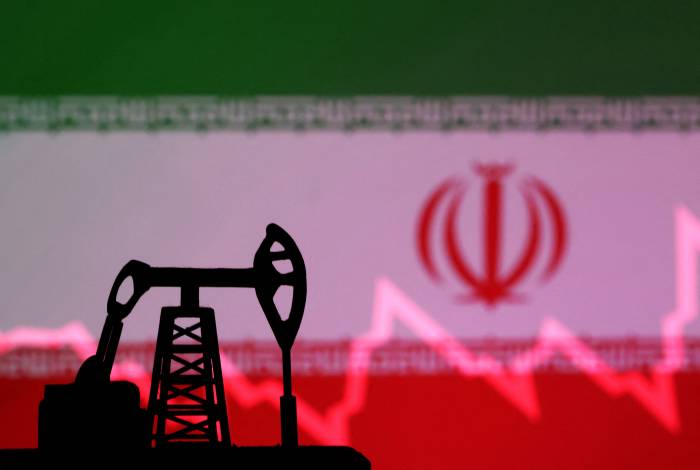
The United States expanded sanctions on Iran’s oil sector in response to Tehran’s October 1 assault on Israel. Iran had launched 180 ballistic missiles in its second direct attack on Israel in six months. “We are taking steps today to disrupt the flow of revenue the Iranian regime uses to fund its nuclear program and missile development, support terrorist proxies and partners, and perpetuate conflict throughout the Middle East,” Secretary of State Antony Blinken said on October 11, News.Az reports citing foreign media.
The State and Treasury Departments took concurrent actions against Iran’s so-called ghost fleet, a network of companies and ships that smuggle oil and petrochemical products in violation of U.S. sanctions. The State Department sanctioned six companies and identified six vessels as blocked property. The Treasury Department sanctioned 10 companies and identified 17 vessels involved in shipping petroleum or petrochemicals on behalf of sanctioned entities. The Treasury Department also issued a new determination that will allow it to impose sanctions on any person operating in Iran’s petroleum and petrochemical sectors. The following are statements from the Treasury and State Departments.Today, the United States is expanding sanctions on Iran’s petroleum and petrochemical sectors in response to Iran’s October 1 attack on Israel, its second direct attack on Israel this year. This action intensifies financial pressure on Iran, limiting the regime’s ability to earn critical energy revenues to undermine stability in the region and attack U.S. partners and allies. The Secretary of the Treasury, in consultation with the Secretary of State, is identifying the petroleum and petrochemical sectors of the Iranian economy pursuant to section 1(a)(i) of Executive Order (E.O.) 13902, which allows Treasury to target a broader range of activities relating to Iran’s trade in petroleum and petrochemical products. E.O. 13902 provides authority to identify and impose sanctions on key sectors of Iran’s economy to deny the Iranian government financial resources that may be used to fund and support its nuclear program, missile development, terrorism and terrorist proxy networks, and malign regional influence. Pursuant to this determination, the Treasury may impose sanctions on any person determined to operate in the petroleum and petrochemical sectors of the Iranian economy.
OFAC is also designating 10 entities in multiple jurisdictions and identifying 17 vessels as blocked property, pursuant to E.O. 13846, for their involvement in shipments of Iranian petroleum and petrochemical products in support of the U.S.-designated National Iranian Oil Company (NIOC) and Triliance Petrochemical Co. Limited (Triliance). The U.S. Department of State is also designating six entities and identifying six vessels as blocked property pursuant to E.O. 13846 for knowingly engaging in a significant transaction for the purchase, acquisition, sale, transport, or marketing of petroleum or petroleum products from Iran. Collectively, these actions target a significant portion of the shadow fleet of tankers and illicit operators that move the Iranian regime’s petroleum exports. NIOC was designated pursuant to the counterterrorism authority E.O. 13224, as amended, on October 26, 2020, for its financial support to Iran’s Islamic Revolutionary Guard Corps – Qods Force. Triliance was designated pursuant to E.O. 13846 on January 23, 2020 for facilitating the sale of Iranian petroleum products from NIOC.
"In response to Iran’s attack on Israel, the United States is taking decisive action to further disrupt the Iranian regime’s ability to fund and carry out its destabilizing activity,” said Secretary of the Treasury Janet L. Yellen. “Today’s sanctions target Iranian efforts to channel revenues from its energy industry to finance deadly and disruptive activity—including development of its nuclear program, the proliferation of ballistic missiles and unmanned aerial vehicles, and support to regional terrorist proxies—with dangerous consequences for the region and the world. We will not hesitate to take further action to hold Iran accountable.”
The United States is taking this action in the spirit of the Stop Harboring Iranian Petroleum Act (SHIP Act), enacted as a part of the Emergency Supplemental Appropriations for the 2024 Fiscal Year (P.L. 118-50), which imposes sanctions against foreign persons involved in the trade of petroleum and petroleum products originating in Iran and was recently delegated by the President to the Departments of the Treasury and State.


Similar news